
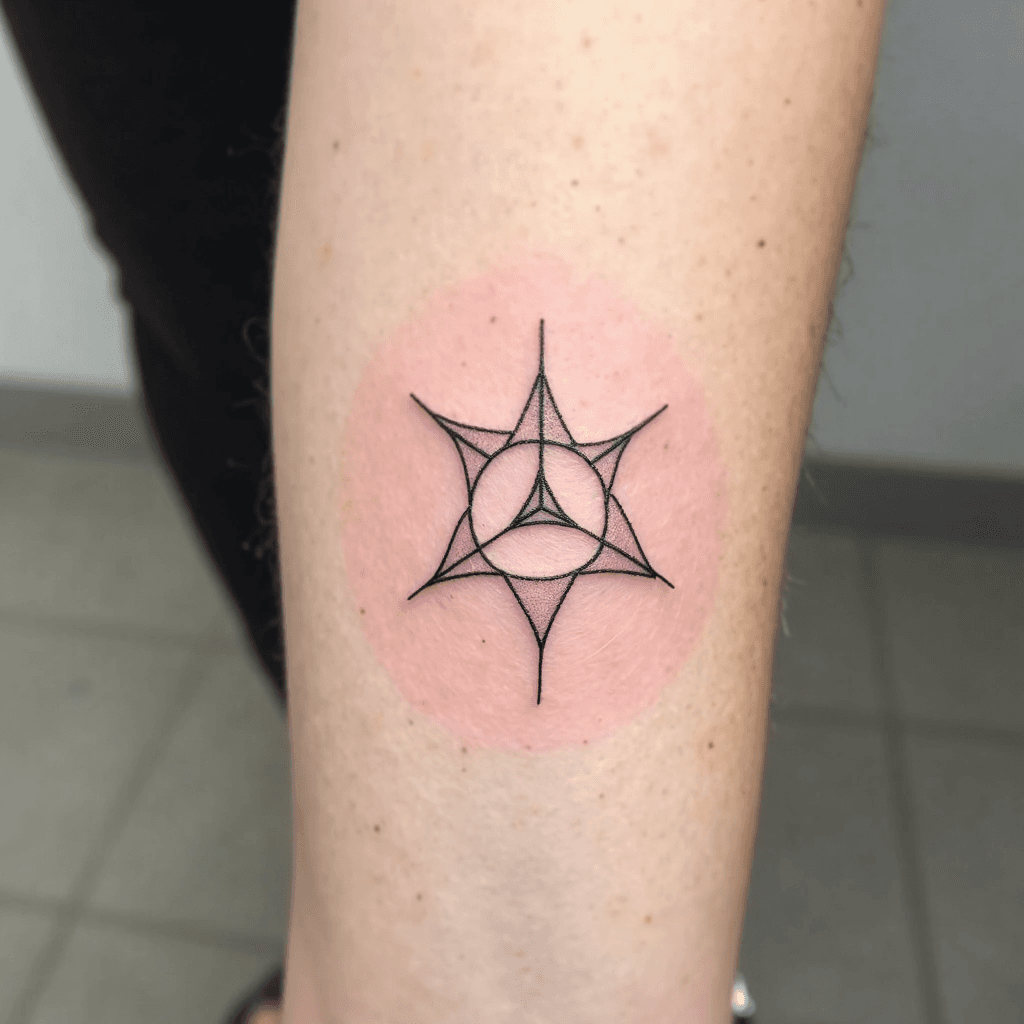
People used to assume tattoos were for the young — teens getting inked at 18, maybe a few more in your 20s. That era is gone. The fastest-growing tattoo demographic in 2026 is first-time tattooers over 40. Whether you're 18 or 65, your first tattoo decisions should be specific to where you are in life, what your body will do in the next decades, and how healing works at your age. This guide breaks it down by decade.
First Tattoo at 18
Eighteen is the legal age in most US states and much of the world, and it's when the majority of first tattoos happen. The opportunity at 18 is clear — you have decades of life ahead for the tattoo to age into you. The risk is equally clear — what you want at 18 often doesn't match what you'll want at 28 or 38. Identity is still forming.
What Works at 18
- Small, placement-flexible pieces — a 2-3 inch design on the inner forearm, outer upper arm, or calf.
- Family-meaning designs — parents, siblings, birth flowers, birthdates. These age well because the meaning doesn't shift.
- Personal values rather than identity markers — a compass, a minimalist mountain, a wave. Universal symbols over hyper-specific references.
- Hidden placements if you're unsure about career direction — ribcage, hip, upper back.
What to Avoid at 18
- Partner names or matching couple tattoos — relationships at 18 rarely last the decades the tattoo will.
- Face, neck, and hand placements — career consequences you can't predict yet.
- Band, show, or fandom tattoos — your taste at 18 is very likely to evolve.
- Trendy script fonts — they date fast and will scream the specific year you got them.
- Anything decided in the week following a breakup, friendship ending, or family conflict.
First Tattoo at 21-25
Early 20s first tattoos tend to be more considered than teen tattoos but still carry some impulse energy. Your style preferences are clearer than at 18, and you're usually out of school and into an early career where you can judge whether visible tattoos fit your path.
What Works at 21-25
- Medium designs that reflect your current life chapter — a graduation date, a travel tattoo for a meaningful trip, a tribute for grandparents.
- Placement experiments on arms or legs — you have time to expand if you love it.
- Investing in a skilled artist for your first piece — your 20s is when appreciating craft begins to matter.
- Style-specific thinking — pick the broader style you want (fine-line, traditional, blackwork) before picking the specific design.
First Tattoo at 30
A first tattoo at 30 is a statement. Most 30-year-old first-timers have thought about getting inked for years and finally committed — which makes them some of the most satisfied tattoo clients of any age group. Your identity is stable, your career path is clearer, and you're usually more patient about finding the right artist.
What Works at 30
- Bucket-list designs you've been considering for years — longevity of desire = near-zero regret.
- Meaningful life-chapter pieces — getting tattooed at 30 to mark the end of your 20s, getting one for your wedding, or for a child's birth.
- Larger pieces — your skin is still excellent, healing is solid, and you likely have the budget for quality work.
- Classic styles over trend styles — American Traditional, Japanese, black-and-grey realism, fine-line botanicals are all 30+ favorites.
Pro Tip
A 30-year-old first tattoo is often the best-looking tattoo you'll ever have. You're thoughtful enough to choose well, still have youthful skin for ink retention, and can afford a better artist than you could at 20.
First Tattoo at 40
Forties first-timers are the fastest-growing tattoo demographic in 2026. The old stigma of tattoos being "unprofessional" has collapsed in most industries, and midlife introspection often leads to getting a piece that represents something meaningful — a tribute to parents, a career milestone, a life-chapter marker.
What Works at 40
- Deeply personal tribute pieces — memorials for parents or close family, representations of children, symbols of personal breakthroughs.
- Mature style choices — classic florals, family names in elegant script, meaningful symbols rather than trend-driven pieces.
- Areas that still have good skin elasticity — inner forearm, upper arm, upper back, shoulder.
- Investing in the best artist you can afford — at 40, you have the budget and the patience for excellence.
Healing Considerations at 40+
Healing at 40 takes slightly longer than at 20. Expect 2-4 weeks for surface healing and 3-6 months for full deep healing, maybe 20-30% longer than what's standard for 20-year-olds. Stay hydrated, follow aftercare strictly, and give yourself an extra week before returning to workouts or activities that stress the skin.
First Tattoo at 50+
Fifties-plus first-timers often report the highest tattoo satisfaction of any age group. Common triggers: retirement, a spouse's death and tribute, becoming a grandparent, empty-nest decisions, or simply "I've wanted this for 30 years." Your tattoo has decades of consideration behind it by the time you sit in the chair.
What Works at 50+
- Memorial and tribute pieces — a late spouse's handwriting, a deceased parent's birth flower, a child's name.
- Small-to-medium sizes — 2-4 inch pieces age beautifully on mature skin.
- Placements with less sun exposure history — inner arm, ribcage, thigh tend to have better skin retention than sun-damaged forearms or shoulders.
- Classic styles with bold linework — they hold up best on skin with some natural aging.
Skin and Healing at 50+
Mature skin tattoos beautifully with the right approach. Skin may be slightly thinner and less elastic, which actually lets many artists work with more precision. Bold lines and moderate shading work best — very fine, dense detail can blur faster. Give yourself 3-5 weeks for surface healing and up to 6 months for full settling. Stay extra hydrated and use high-SPF sunscreen to protect the aging result.
Age-Agnostic Principles for First Tattoos
- The design you've been considering for 2+ years is almost always the right one.
- A great artist matters more than a small price.
- Bigger tattoos age better than tiny super-detailed ones at any age.
- Hidden placements give you flexibility as careers and lifestyles evolve.
- Quality aftercare matters more than anything you did during the tattoo itself.
Whatever your age, preview your first tattoo before committing. AI for Tattoo lets you generate the exact design you're considering and try it on your own body photo — so your first tattoo is one you'll love at any age.
Try AI for Tattoo Free