
The environment you heal in matters as much as the ointment you use. Fresh tattoos respond fast to heat, sun, sweat, AC, altitude, and friction. Most pieces settle in 2 to 4 weeks, but the first 72 hours decide how clean your lines and color hold. You can work, train, or fly without drama if you control moisture, UV, pressure, and cleanliness.
This guide gives you practical, placement-aware tactics for outdoor events, indoor offices and gyms, and travel days. It blends pro studio habits with evidence from sources like the Cleveland Clinic on healing timelines, the American Academy of Dermatology on SPF 30+ sun protection, and the CDC and FDA on hygiene and safety. If your schedule is intense, pair these steps with our active lifestyle aftercare guide and aftercare for different tattoo styles.
The baseline: first 72 hours set the tone
Your artist may use a breathable film, often called second skin. Kept clean and intact, films protect against friction and grime during the highest risk window. If you are dry healing or switching dressings, the goals are the same, gentle wash, pat dry, then a thin layer of moisturizer.
- Wash with lukewarm water and a fragrance-free soap twice daily, then pat dry with a clean towel. Avoid alcohol wipes and scented body washes that can irritate the wound.
- If using film like Saniderm or Tegaderm, follow your artist’s timing, typically 24–72 hours for the first piece, then replace once if needed. Keep edges sealed.
- If not using film, apply a rice-grain thin layer of Aquaphor, Bepanthen, or Hustle Butter for days 1–3, then switch to a lighter lotion. Names are examples, non-sponsored.
- Wear loose, breathable clothing and avoid pressure. Tight elastic, backpacks, or waistbands can rub pigment out and slow the scab’s natural shedding.
- Do not pick, scratch, or shave the area. Itching is normal around days 4–7. Tap gently or cool with clean water rather than digging at it.
Health sources like Healthline align on the basics, keep it clean, lightly moisturized, and out of soaking water. If redness spreads, pain spikes, or drainage turns cloudy, that is a flag to contact a clinician promptly.
Outdoor tattoo care: heat, sun, sweat, and dirt
Sun and sweat are the biggest outdoor hazards. UV can fade ink long term and heat swells fresh skin, which raises friction and slows closure. During the fresh wound phase, cover the tattoo physically instead of using sunscreen. The AAD recommends SPF 30+ on healed tattoos, but avoid sunscreen on open skin.
- Choose UPF clothing or a clean, soft bandana to cover the area for 7–10 days, especially midday. Shade beats sunscreen during the open-wound stage.
- Plan your session timing. A Friday evening tattoo gives 48–72 hours of quiet at home before your Sunday hike or weekday commute, which reduces bumping and sweat exposure.
- If you expect dirt or dust, a fresh piece of second skin can be safer than gauze. Check edges often, and swap it if sweat pools underneath.
- Hydrate and cool. Drink 2–3 liters of water in hot weather and use cool compresses through clothing for 5–10 minutes if you feel throbbing or hot spots.
- Post-activity rinse. As soon as you get home, wash salt, sunscreen from nearby skin, and sweat off the area, then moisturize lightly to reduce itching.
Remember that sunscreen lives nearby. If a healed area around your fresh tattoo gets lotion or SPF on it, wipe off promptly with a damp cloth. Keep the new tattoo a clean zone until it seals.
Beach, pool, and lake days: the water rules
Soaking is the fastest way to swell or infect a new tattoo. Pools carry chlorine and biofilm, lakes and oceans can hide bacteria and sand that grinds the wound. The AAD and CDC both advise keeping open wounds out of water. For most tattoos, avoid submersion for at least 14 days, and longer if scabbing is still present.
- No swimming, hot tubs, or baths until the surface is smooth and sealed. Showers are fine. Keep them short and lukewarm, and do not spray the tattoo directly.
- Beach workaround, wear UPF sleeves, leggings, or a rash guard. Keep sand off the area with a clean towel barrier. Rinse sweat and salt off asap with fresh water.
- If camping, pre-pack clean water, fragrance-free soap, and a small disposable towel. Wash hands before any touch, and never re-use a sandy wrap.
- After accidental dunking, wash immediately, pat dry, and apply a very thin layer of moisturizer. Monitor closely for 24–48 hours for increased redness or discharge.
- If you see signs of infection, fever, spreading redness, or pus, seek care. Government sources like the CDC and FDA emphasize early attention for contaminated wounds.
Cold weather and altitude: dryness, layers, and circulation
Cold air and cabin-style dryness strip moisture, which can split forming scabs and create shininess later. At altitude, slight swelling is common, so plan for roomier layers and extra hydration. Focus on humidity, ointment weight, and friction control.
- Use a cool-mist humidifier at night for the first 7–10 days if you live in dry climates. Skin that stays supple itches and flakes less.
- Pick soft base layers. Merino or bamboo blends glide better than stiff denim or synthetics. Avoid seams and tight cuffs over fresh ink.
- Moisturize with a slightly richer layer before heading into windchill. A thin film of Aquaphor or Bepanthen under a sleeve can block chafing on day 1–3.
- Limit prolonged outdoor exposure during the ooze period. Quick, controlled outings are safer than a half-day in freezing wind with sweat-dry cycles.
- At ski resorts or high hikes, schedule your session 1–2 weeks before the trip, so you are in the flake phase, not the open-wound phase.
Indoor realities: office AC, gym sweat, and home hazards
Indoors can be just as tricky. Office AC dries skin and creates static rub. Gyms add bacteria and sweat. At home, pets and bedding shed fibers. Your strategy is moisture balance plus barrier thinking.
- Office, keep a fragrance-free lotion at your desk and reapply lightly every 3–4 hours if you feel tightness. Swap rough dress shirts for softer fabrics during week one.
- Gym, skip high-intensity training for 48–72 hours. When you return, avoid shared mats and benches with direct contact. Wrap with second skin if your artist approves.
- Shower immediately after workouts. Wash with lukewarm water, pat dry, and use a thin moisturizer. Do not sauna or steam until the surface is fully sealed.
- Home, change sheets on day one and again midweek. Throw blankets and pet hair stick to ointments. Keep animals off fresh tattoos until peeling ends.
- If your placement sits under a bra band, belt, watch, or sock cuff, relocate that pressure or take short breaks to let the skin breathe.
Travel tattoo aftercare: planes, trains, and road trips
Air travel combines low humidity, long sitting, and shared surfaces. You will do fine with a simple kit and a few timing tweaks. If you can, book your tattoo 48–72 hours before departure so the heaviest plasma weeping is done at home.
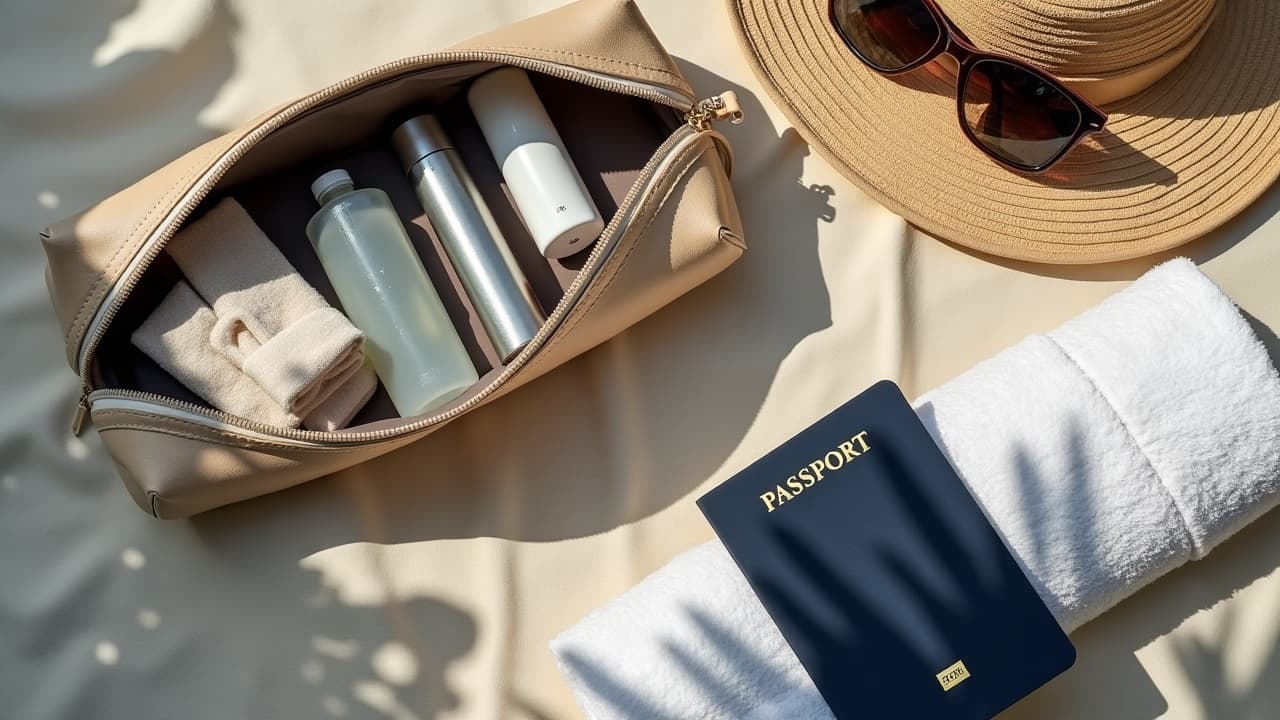
- Pack a carry-on aftercare kit, travel bottles of fragrance-free soap and lotion, a few film dressings, sterile gauze, hypoallergenic tape, and a zip bag for trash.
- At the airport, security is fine with dressings. If a film edge lifts, change it in a restroom with washed hands. Keep a small alcohol-free hand sanitizer for surroundings.
- On the plane, choose loose clothing and stand to stretch every hour. Cabin humidity can drop below 20 percent, so sip water and moisturize lightly if you feel tightness.
- Hotel routine, run the shower briefly to create steam, wash gently, then pat dry with a fresh towel corner. Lay a clean T-shirt over pillows if you sleep uncovered.
- Road trips, keep the area out of direct sun through glass. Pack a cool pack wrapped in cloth for throbbing, 5–10 minutes at a time.
If adhesive films irritate your skin, switch to sterile gauze with minimal ointment. If you suspect an adhesive allergy, remove the film and wash, then monitor. When in doubt, message your artist and get local medical advice if symptoms escalate.
Allergies, reactions, and when to see a pro
Allergic reactions happen, more often with adhesives and some pigments, especially reds. Watch for raised, very itchy patches, blistering, or hives beyond normal irritation. Differentiating irritation from infection matters. Chafing and adhesive rash usually itch and look patchy, infection tends to involve spreading warmth, fever, and cloudy discharge.
- If you suspect an infection, seek care quickly. Medical sources like the Cleveland Clinic advise prompt evaluation for fever, spreading redness, or pus.
- For non-infected rashes, wash off any product, switch to plain fragrance-free lotion, and consider an adhesive-free dressing. Avoid new products until the skin calms.
- For sun sensitivity after healing, the AAD recommends broad-spectrum SPF 30+. Reapply every 2 hours when outdoors, and prefer UPF clothing for long exposures.
- If you are immunocompromised or diabetic, ask your clinician for personalized guidance. Government and clinical sources like the FDA and AAD outline elevated risks.
Budget and gear: what to buy, what it costs
You do not need a suitcase of products, just consistent basics. A simple kit covers most environments and still keeps costs in check. Expect to spend about $25–$60 total for week one if you do not already own supplies.
- Core wash and moisturize, Dove Sensitive Skin soap, Cetaphil Gentle Cleanser, Aquaphor, Bepanthen, Hustle Butter, Mad Rabbit balm (non-sponsored examples). Budget $15–$40.
- Dressings, Saniderm or Tegaderm sheets, plus sterile gauze and hypoallergenic tape. Budget $8–$20 for a small pack.
- Sun and clothing, UPF sleeves, rash guard, or a soft long-sleeve. Budget $25–$60, and remember sunscreen is for healed skin only.
- Travel kit, leak-proof 1–3 oz bottles, zip bags, and a compact towel. Budget $10–$25. Keep everything in a separate pouch to stay clean.
If you are experimenting with placement to minimize friction or sun exposure, previewing on your actual body helps. Before you book, you can test scale and orientation with our virtual tools and adjust to your routine.
Pro timing and placement tweaks that save headaches
Smart scheduling beats constant babysitting. Choose placements and session timing that suit your environment. If you are headed to a music festival, avoid fresh ink on forearms and calves that will see sun and dust. Office job with dress shirts, consider inner arm rather than elbow tips that grab cuffs. Training for a race, let an ankle or foot piece fully heal before ramping miles.
- Book 2–3 weeks before big trips so you can swim and train normally. If that is not possible, choose easier-to-cover placements like upper arm or thigh.
- Split large projects into shorter sessions so you are never managing an entire limb through peak itch and peel during a busy week.
- Ask your artist about linework-first sessions if you must travel soon. Fills and color can wait, which reduces weeping and dressing complexity during transit.
- Bring a printed aftercare card from your studio. In unfamiliar bathrooms or languages, clear steps reduce guesswork and keep your routine consistent.
Ready to choose a placement that fits your routine and environment, not the other way around? Generate custom designs with AI and preview scale and coverage on your body before you book. Use AI for Tattoo’s creator to build concepts and the virtual try-on to test them against sleeves, waistbands, and UPF coverage.
Try AI for Tattoo Free