
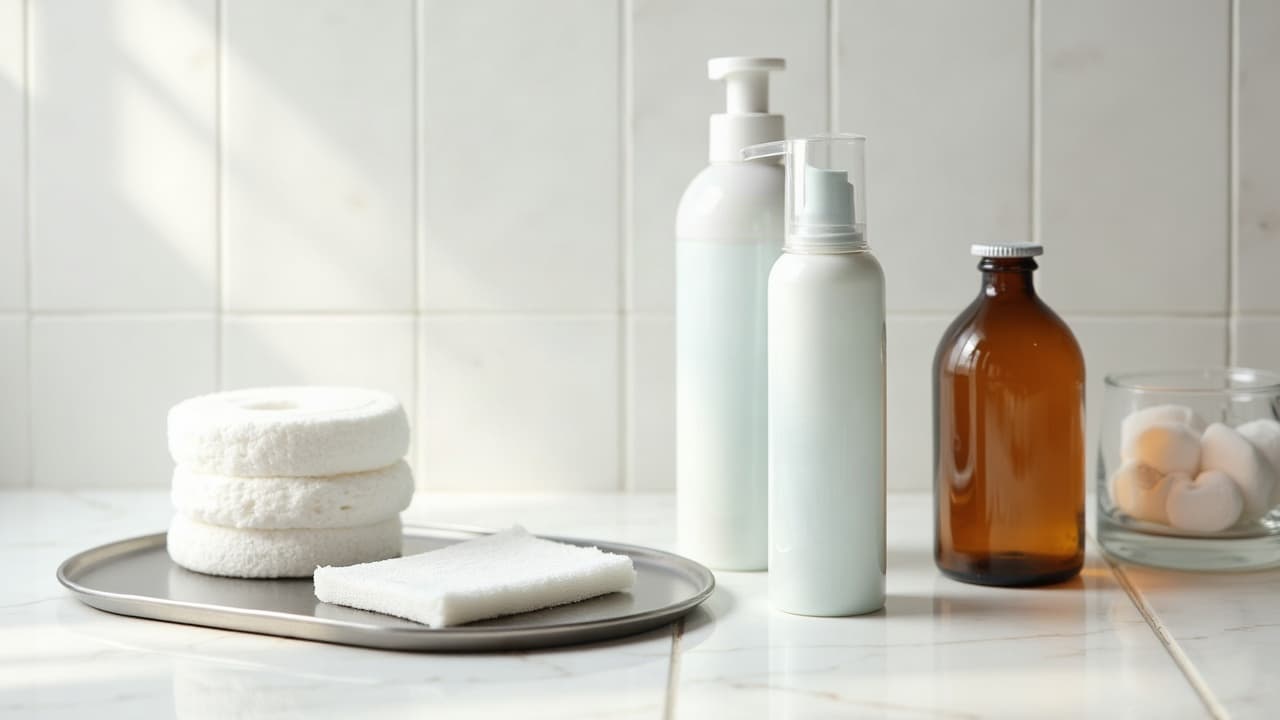
Most infections and blowouts I troubleshoot start the same way, too much ointment on naturally oily skin in the first 72 hours. Oily skin already produces a film of sebum, add a heavy occlusive and you trap heat, sweat, and bacteria right on fresh ink. The fix is simple, adjust product weight and timing without under-hydrating the wound. That balance keeps pores clear, scabs thin, and color locked in. For context, sebaceous glands are densest on the face, chest, and upper back, which is why those placements need lighter products and stricter wash rhythms, a point echoed by the American Academy of Dermatology.
How Oily Skin Changes Tattoo Healing
Fresh tattoos are controlled wounds. On oily skin, excess sebum mixes with plasma and ointment, creating a sticky layer that can macerate the epidermis. That raises the risk of folliculitis and clogged pores around the tattoo, especially in high gland-density zones. Early days matter most, your goal is breathable protection and gentle cleansing that does not strip the barrier.
Watch for warning signs that go beyond normal redness, heat that increases after day two, rapidly spreading redness over >2–3 cm, thick yellow drainage, or fever. These are medical flags. See clinical guidance like Cleveland Clinic on infection signs and general wound healing basics from the American Academy of Dermatology for what is expected versus not.
Named product reality check, thick petrolatum balms can still work on oily skin if applied ultra thin, but most of my oily-skin clients do better with light hydrogels or non-comedogenic lotions during days 1–14.
Day 0–3: Rinse-and-Cover Strategy That Breathes
Right after the session, your artist may apply a breathable film. For oily skin, films like Saniderm or Tegaderm keep friction, sweat, and stray bacteria out while letting moisture escape. Rolls cost roughly $10–$25 for home reapplication if needed (non-sponsored examples).
- If a film is applied, leave the first piece on 12–24 hours, then gently remove in the shower. Oily clients who sweat overnight should swap closer to the 12-hour mark to prevent pooling.
- Rinse with lukewarm water for 1–2 minutes, do not scrub. Pat dry with clean paper towels. Air dry 10 minutes before any product or re-wrapping.
- Reapply a new film sized with 1–2 inches of clean margin. Smooth from center out to avoid air pockets. Replace every 24 hours during days 1–3 if edges lift.
- If not using film, apply a rice-grain thin layer of a light gel and cover loosely with breathable clothing only. Skip plastic wrap at home, it traps sweat on oily skin.
For films, follow manufacturer directions and your artist’s protocol. If you notice pooling, remove, rinse, and reset. Films should feel protective, not swampy. When in doubt, lighter and cleaner wins for oily skin.
Switch Earlier From Ointments to Gels or Lotions
Classic aftercare leans on heavy occlusives like Aquaphor or Bepanthen, which can be great on dry skin. On oily skin, transition fast. By the end of day 1, most clients are better with panthenol gel, hyaluronic gel, or a fragrance free, non-comedogenic lotion. Lighter textures reduce pore congestion while keeping the wound supple. See consumer-facing guides like Healthline on occlusives and moisturizers for ingredient overviews.
- Use a pea-sized amount for a palm-sized area, no visible shine after 30 seconds. If it still looks glossy, blot then use less next time.
- Good light options, CeraVe Daily Moisturizing Lotion, Vanicream Lite Lotion, La Roche-Posay Cicaplast Gel B5, Neutrogena Hydro Boost Gel-Cream, or Mad Rabbit Soothing Gel (non-sponsored examples).
- Frequency, moisturize 2–3 times daily in week one, then 1–2 times daily as peeling settles. Over-moisturizing on oily skin equals longer healing.
If you love Hustle Butter or classic balms, reserve them for tiny linework in dry zones, not chest or back pieces on oily skin. Keep textures tailored to the placement.
Cleanse Without Stripping: pH and Technique Matter
Aim for a gentle cleanser with pH 5.5–6.5, fragrance free, and no exfoliating acids. Antibacterial soaps are not required for most healthy clients and often overdry. Over-drying spikes rebound oil, which sets you back. Rinse after sweating, but avoid marathon showers that swell skin.
- Solid picks, Cetaphil Gentle Skin Cleanser, CeraVe Hydrating Cleanser, or Vanicream Gentle Facial Cleanser used on body too, all fragrance free (non-sponsored examples).
- Avoid benzoyl peroxide, salicylic acid, retinoids, and scrubs on or around the tattoo until fully healed, often 14–28 days, corroborated by general wound timelines from the American Academy of Dermatology.
- Wash 2–3 times daily the first week if you are naturally shiny or in hot climates. Pat dry with disposable towels to avoid laundry bacteria.
Sweat, Gym, and Shine Control
Sweat is salty and mildly irritating, plus it mixes with sebum. Keep training light for 3–5 days, especially for large pieces or high-friction zones. If you must move, focus on form, hydration, and post-workout rinses. Avoid saunas and pools until the surface is sealed, typically after 2 weeks. For public health notes on waterborne contamination and wounds, review the FDA on tattoo inks and safety.
- Wear loose, sweat-wicking layers. Swap tight compression gear that rubs. Friction plus oil is a fast track to scabs that shear.
- Rinse the tattoo within 30 minutes of a sweaty session. Short shower, gentle cleanse, thin gel, let it breathe.
- Skip makeup or mattifying primers over fresh tattoos. If the area is shiny, blot with clean tissue rather than powdering over a wound.
Peeling Phase: Keep Scabs Thin, Do Not Pick
Between day 4–14, expect light flaking. Oily skin often forms thinner, more pliable scabs if product weight is correct. Picking lifts pigment. Instead, hydrate smarter, humectants like glycerin and hyaluronic acid pull water into the surface without the heavy seal of petrolatum.
- When itchy, press a cool, clean compress for 60 seconds. Do not scratch. Keep nails short and clean to avoid accidental lifts.
- If edges catch on clothing, switch to a silky liner tee or place a fresh breathable film for 24 hours during high-friction events only.
- If flakes look waxy or weepy, cleanse, air dry, and reduce moisturizer frequency. Shiny wet scabs mean too much product for your oil level.
Acne‑Prone Zones and Smarter Placement Choices
If you are acne prone on the chest, shoulders, or back, plan designs with fewer ultra-dense black fills or heavy color packs there. Less saturation means less trauma per square inch and quicker, cleaner healing on oily zones. For prep steps that improve outcomes, see how to prepare your skin for a tattoo.
Face and neck tattoos are high oil and high exposure. If you commit, prioritize small scale, crisp lines, and meticulous aftercare with lightweight formulas. Keep shaving away from edges until the surface is sealed. For hygiene principles that reduce complications, see our aftercare hygiene guide.
Allergies, Patch Testing, and Product Swaps
Fragrance and certain botanical extracts often trigger contact dermatitis on fresh tattoos. Oily skin does not equal immune to irritation. Patch test every new product on non-tattooed skin for 24 hours before use. If you react, switch to simpler INCI lists and avoid lanolin if you are acne prone.
- If redness or small pustules cluster around follicles, pause all products for 12–24 hours, then reintroduce a single fragrance free gel. Escalate to a clinician if symptoms spread.
- Reliable simple formulas, Vaseline Pure Petroleum Jelly in whisper-thin films for micro tattoos, or Vanicream Lite, CeraVe PM for broader areas, all fragrance free (non-sponsored examples).
- For medical concerns, verify guidance with trusted sources like the Mayo Clinic and professional dermatology organizations such as the American Academy of Dermatology.
Long‑Term Care: Oil‑Smart Sun and Refresh Cycles
Once the surface fully closes, usually 3–4 weeks, commit to daily sun protection. UV breaks down pigment and fades lines. Use oil free, non-comedogenic SPF 30–50. Reapply every 2 hours outdoors. Mineral formulas often behave best on oily skin.
- Great SPF options, EltaMD UV Clear SPF 46, La Roche-Posay Anthelios Anti‑Shine, Black Girl Sunscreen Make It Matte SPF 45 for deeper tones, all oil free where noted (non-sponsored examples).
- Post-heal moisturizers, keep it light, once daily is plenty for oily skin unless you are in dry climates. Heavy night occlusion not needed once healed.
- Plan refresh checks at 12–24 months for fine-line or high-sebum placements. A minor touch-up is cheaper than a full recolor and keeps edges crisp.
If you are curious why regulations and inks matter, review the FDA on tattoo inks and broader consumer health reporting. Government and peer-reviewed sources continually update safety notes relevant to healing outcomes.
When to Call Your Artist or a Clinician
Normal healing includes mild redness, tenderness, clear weeping in the first 24–48 hours, then light peeling. Call your artist if you see line spread or raised edges that feel rubbery. Call a clinician for fever, rapidly expanding redness, thick pus, or pain that spikes after day two. Cross check with Cleveland Clinic’s infection guidance and general wound care from the American Academy of Dermatology.
No matter your skin type, clean technique and breathable care are what protect the art. Oily skin just needs lighter hands, smarter timing, and products that let skin do its job.
Ready to pick placements and styles that heal clean on oilier zones like chest or shoulders? Use AI for Tattoo to generate designs with balanced saturation, then virtually try them on before you book. Start with Create or preview on your body in minutes with Try On. You can also browse style ideas optimized for contrast in sebum-dense areas in our Explore library.
Try AI for Tattoo Free