
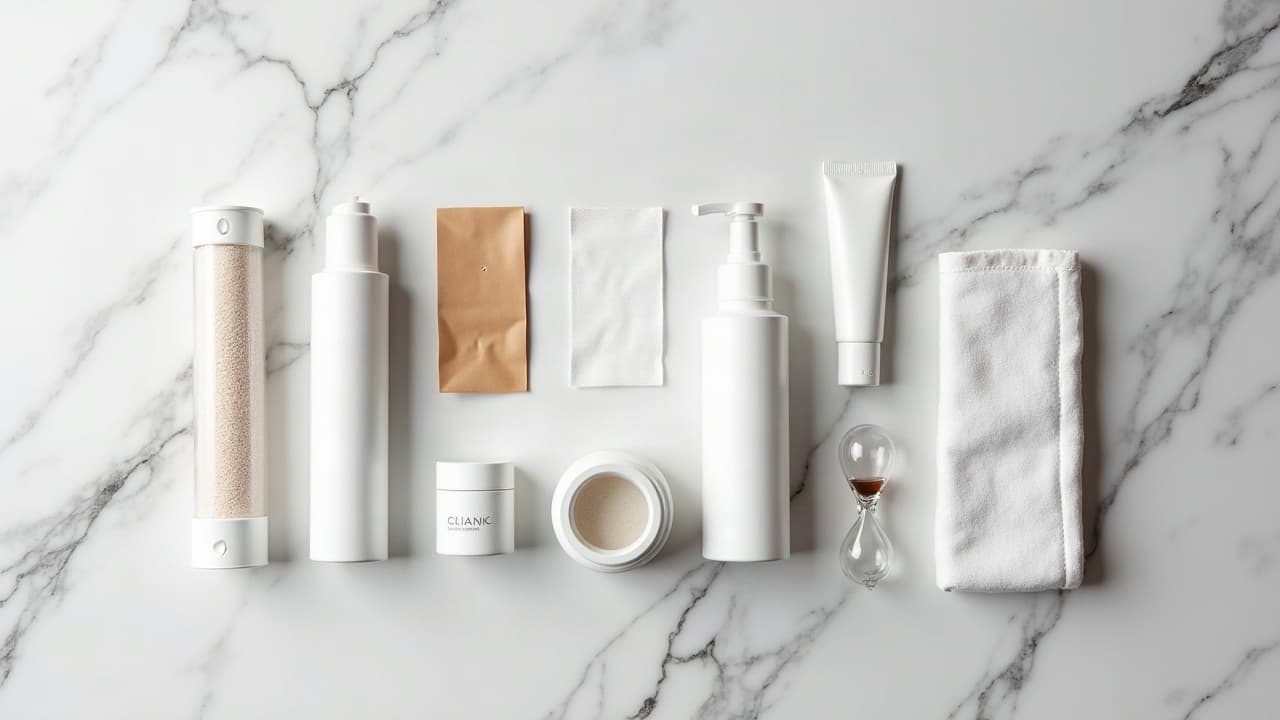
Most fresh tattoos will behave if you give them 5 focused minutes, twice a day. The first 3–5 days matter most, then it gets easier. With the right film dressing, rinse plan, and micro-doses of moisturizer, you can work a 12-hour shift, commute, and still keep your ink healing clean.
The 5‑Minute Routine, Split Into Your Day
Keep it simple and repeatable. Your goals are to control bacteria, friction, and dryness without over-washing or over-greasing. Most artists, and medical sources like the American Academy of Dermatology, agree that consistency beats complexity.
- Morning, 3 minutes: Wash hands, then gently rinse tattoo with lukewarm water and fragrance-free soap. Pat dry with a clean paper towel. Apply a rice-grain thin layer of ointment or lotion, wait 2 minutes, dress if needed.
- Midday, 1 minute: If it feels tight or itchy, sanitize hands, dab with sterile saline or clean water, pat dry, then a whisper-thin touch of fragrance-free moisturizer. Skip if it still looks glossy from morning.
- Evening, 3–4 minutes: Rinse off commute sweat and dust. Pat dry, apply a pea-size amount of moisturizer evenly until skin looks satin, not shiny. Let it breathe while you wind down before covering to sleep if needed.
If your skin runs dry, tune the moisturizer slightly up and pick richer formulas. If you are oily or live humid, go lighter. We built a deep-dive for this in our dry-skin aftercare guide.
Second‑Skin Dressings That Buy You Time
For packed schedules, a breathable film like Saniderm or 3M Tegaderm can be a lifesaver. These self-adhesive polyurethane dressings protect from friction, dirt, and accidental splashes while letting vapor escape. Most clients keep the first layer on for 12–24 hours, then replace with a fresh sheet for 2–4 more days, depending on ooze and comfort. Always trim to leave 1 inch of clean margin around your tattoo.
- Change it safely: Remove in the shower with warm water, gently peel along the skin, not straight up. Clean, dry, then reapply a new sheet with zero tension to prevent skin shear.
- Watch for reactions: Red, itchy, raised rashes under adhesive mean stop and switch to open air care. Mild imprint lines are normal, expanding redness and heat are not. When unsure, call your artist.
- Sweat math: Heavy sweaters and athletes often shorten wear time to 24–48 hours total. Films do not replace hygiene. If moisture or plasma pools under the film, remove and clean.
The FDA reminds consumers that tattoos are open wounds that can get infected and that reactions to pigments or adhesives do occur, so monitor changes and seek care if you see spreading redness, fever, or pus-like drainage. Read more at the U.S. Food and Drug Administration.
Cleanse Smart, Anywhere
Use lukewarm water, fragrance-free cleanser, and clean, disposable drying materials. Avoid gym towels and hotel washcloths, which often carry detergents and bleach. You do not need to scrub, just lift sweat and residue. A quick rinse after work or workouts beats a harsh long wash.
- Good travel kit: Dove Sensitive Skin Beauty Bar, Cetaphil Gentle Skin Cleanser, NeilMed sterile saline spray, microfiber face cloths reserved for the tattoo, and zipper bags for clean storage (non-sponsored examples).
- Technique checklist: Wash hands, wet tattoo, add a dime-size cleanser to fingers, circle lightly 10–15 seconds, rinse fully, and pat dry. If no sink, mist with sterile saline, blot, then moisturize lightly.
Cleveland Clinic’s wound care basics, like gentle cleansing and avoiding harsh antiseptics, track well with tattoo aftercare. Their public guidance is a reliable north star, see the editorial hub at the Cleveland Clinic.
Moisturize Efficiently, Not Excessively
Your skin needs a thin, even film to limit itching and flaking. Too much ointment creates a wet chamber where bacteria love to party. Aim for a layer so thin you cannot see white shine under regular light. Twice daily is plenty for most people after day two.
Proven picks include Aquaphor Healing Ointment, Bepanthen, Hustle Butter Deluxe, or lightweight balms like Mad Rabbit Repair for the flaky phase. Rotate to a fragrance-free lotion by day 3–5 if ointments feel greasy. Always patch test. List for convenience only, not endorsement (non-sponsored examples).
- How thin is thin: For a palm-size tattoo, use half a pea of ointment or a 3–4 mm dab of lotion, then feather it out until the surface looks satin.
- Over-moisturized look: Persistent shine, sticky feel, or clogged pores around follicles. Solution, skip one application, cleanse, and switch to a lighter, fragrance-free lotion for the day.
Hydration and Fuel, The Busy Person’s Advantage
Healing skin functions better when you are not dehydrated. Keep a bottle at your desk and aim for regular sips rather than chugging. Add electrolytes during long, sweaty shifts. Pair hydration with steady protein and vitamin C intake to support collagen formation.
Evidence-based wellness sites like Healthline often highlight hydration and balanced nutrition as keys for wound care. You do not need fancy supplements, just consistent water and whole foods that fit your routine.
- Simple targets: 2–3 liters of fluids spaced across the day, an extra 250–500 ml after workouts or outdoor shifts, and at least 20–30 g protein with meals for the first two weeks.
- Skip list for 48 hours: Alcohol, long hot baths, steam rooms. All increase vasodilation and can worsen oozing, swelling, and contamination risk during early healing.
Commute, Clothing, and Gym Protocols
Friction and grime are the daily enemies. Choose loose, breathable fabrics like cotton or technical shirts with flat seams. On crowded trains, protect elbows and calves from bumps with a soft sleeve. At the gym, prioritize cleanliness and reduce pressure on the tattooed area for the first 7–10 days.
- Workout tweaks: Switch to machines or movements that do not press or rub the tattoo. For a fresh forearm piece, pull movements beat push-ups. For a shin tattoo, cycle lightly instead of running.
- Surface hygiene: Disinfect equipment, then place a clean towel barrier. Post-workout, rinse the tattoo within 30 minutes, pat dry, and apply a thin moisturizer layer.
- No soaking: Pools, hot tubs, lakes, and baths are off limits until the surface is closed, typically 2 weeks. The FDA warns that non-sterile water exposure increases infection risk.
If you work in uniforms or PPE, talk with your artist about placement, size, and a film dressing plan. See our practical angle on appearance at work in the guide to choosing tattoos for your profession.
Sun, Screens, and Office Air
Sun is the fastest way to fade fresh ink. Until peeling ends, cover with UPF clothing or a clean, breathable bandage. Do not put sunscreen on an open or weeping tattoo. Once the surface is settled, move to broad-spectrum SPF 30+ daily.
Consider mineral sunscreens on healed tattoos such as EltaMD UV Clear SPF 46 or Neutrogena Sheer Zinc SPF 50. For indoor people, remember windows and even some office lighting deliver UVA. The World Health Organization and the American Academy of Dermatology both emphasize consistent UV protection for skin health.
- Office air tips: Dry HVAC can spike itch. Park a humidifier at your desk if allowed, or moisturize with a pea-size amount at lunch and drink water steadily.
- Travel days: Pack a 30 ml cleanser, sterile saline, mini moisturizer, and a spare second-skin sheet in your carry-on to survive flight cabins and tight layovers.
Red Flags, Reasonable Delays, and When to Call
Normal signs include mild redness for 24–48 hours, light oozing day one, and thin flaking around days 3–7. What is not normal, rapidly expanding redness, intense heat, fever, foul odor, or thick yellow drainage. If you see these, contact your artist and a clinician promptly. Reputable medical sources such as the Cleveland Clinic can help you parse symptoms and next steps.
- Smart delays: If you cannot avoid heavy sun, saltwater, or a contact sport tournament in the next 2–3 weeks, schedule your tattoo after the event rather than trying to out-care bad conditions.
- Location logic: For constant laptop use, avoid fresh forearm tattoos right before a crunch week. For cyclists, avoid new shin or calf pieces before long rides to prevent friction and sweat overload.
If you have a known history of contact dermatitis or adhesive allergies, plan ahead with alternative dressings and moisturizers. The AAD provides general guidance on sensitive skin and allergens at the American Academy of Dermatology.
Make Aftercare Fit Your Skin and Style
Not all skin behaves the same. Darker complexions can hide redness but show post-inflammatory hyperpigmentation more easily, so be strict with UV cover. Oily skin tolerates lighter lotions, dry skin may need occlusive ointments a bit longer. See more nuance in our guidelines for different skin tones.
If you ever feel overwhelmed, remember, it is repetition that wins. Your busy life already trained you for consistency. A small, smart kit, short wash cycles, and thin moisturizer are enough to carry you through the first two weeks and keep the art crisp.
Planning placement around your real life saves time in aftercare. Use AI for Tattoo to preview designs where fabric, bags, or gear will not rub. Generate your idea in minutes with Create, then see it on your body with Try On. A few test fits now can prevent weeks of avoidable friction later.
Try AI for Tattoo Free