
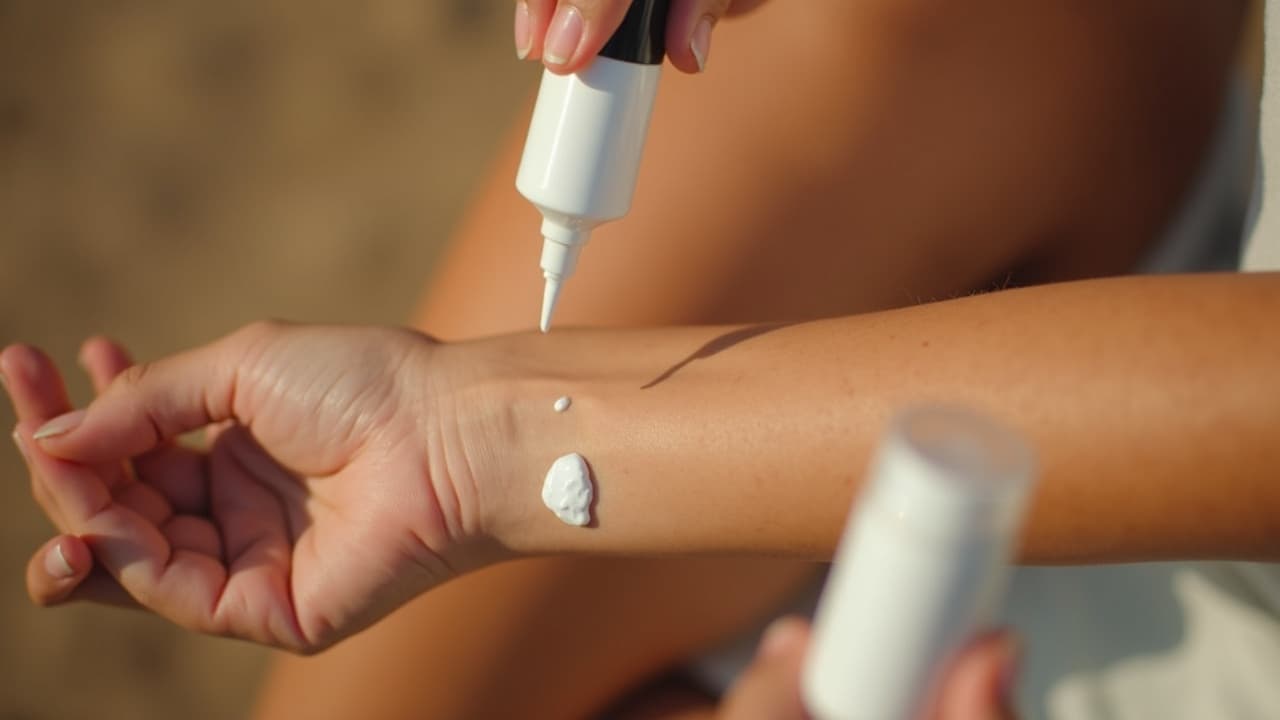
Up to 95 percent of the UV that reaches your skin is UVA, and it penetrates glass and the dermis where tattoo pigment actually lives. That is why tattoos fade fastest from UVA, not UVB sunburn alone. The solution is simple but specific: use a truly broad-spectrum sunscreen with high UVA protection, reapply on schedule, and cover fresh ink until it is fully sealed. Here is how to pick protection that actually prevents fading, plus pro-tested products and application rules that keep linework crisp and color saturated.
Why UVA Fades Tattoos Faster Than UVB
Tattoo pigment sits in the dermis. UVA wavelengths (320–400 nm) penetrate deeper than UVB and generate reactive oxygen species that break down pigment molecules over time, especially yellows, reds, and pastels. Black linework holds best but still shifts to a cooler gray as carbon black scatters and macrophages move degraded particles. UVB burns the epidermis, but UVA drives most long-term pigment change and photoaging. Dermatology references consistently note that UVA makes up the majority of ambient UV and passes through window glass, so your tattoo can fade on daily commutes or at a sunny desk even if you never burn. For background on UVA depth and glass transmission, see DermNet NZ.
How to Read Sunscreen Labels for Tattoo Protection
You are looking for three things on the label: high SPF, true broad-spectrum status, and a strong UVA rating when available. Here is what each term means in plain language and how to use it for tattoos.
- SPF measures UVB burn protection only. For tattoos, use SPF 50 or 50+ daily to give yourself margin for real-world application gaps. Higher SPF also tends to correlate with higher UVA coverage.
- Broad spectrum means the formula passed a UVA test in addition to UVB. In the United States, this claim is regulated by the FDA. If it is not broad spectrum, skip it for tattoos.
- PA rating (PA+, PA++, PA+++, PA++++) appears on many Asian and some European products. It is based on PPD (persistent pigment darkening). PA++++ means a PPD of 16 or greater, a strong UVA shield.
- UVA-PF and the UVA circle logo in the EU indicate formal UVA testing. The EU requires UVA protection to be at least one third of the labeled SPF for the UVA circle symbol.
Two useful references if you want to go deeper into labeling: the FDA’s overview of sunscreen rules and water resistance claims, and Wikipedia’s summary of the PA and PPD scales and the EU one third UVA rule. See the FDA sunscreen guidance for consumers and Wikipedia’s section on UVA protection ratings.
Mineral vs Chemical Sunscreens on Tattoos
Both mineral and chemical filters can protect tattoos if the formula is broad spectrum and you apply enough. The differences matter for skin feel, sensitivities, and UVA depth.
- Mineral filters (zinc oxide, titanium dioxide) sit on the surface and scatter or reflect UV. Zinc covers UVA1 and UVA2 best among minerals, titanium is weaker in long UVA1. 100 percent zinc formulas are reliable for tattoos and sensitive skin.
- Chemical filters (like avobenzone, octisalate, octocrylene) absorb UV and convert it to lower energy. Avobenzone covers UVA1 and is the workhorse in US formulas. Modern EU or Asia filters, such as Tinosorb S or Uvinul A Plus, provide excellent UVA too.
- White cast vs invisible finish. Mineral can leave a cast, especially on deeper skin tones. Tinted mineral, microfine zinc, or sheer chemical gels avoid that issue.
- Allergies and acne. Fragrance and some chemical filters can sting or clog for sensitive or acne-prone clients. If you have reacted to adhesives or bandages, start with a fragrance-free zinc formula and patch test.
Bottom line for artists and collectors: for maximum UVA reliability, pure zinc oxide or avobenzone-based broad-spectrum formulas both work. If you have darker skin or hate a cast, pick a clear chemical option you will actually use daily.
When You Can Put Sunscreen on a New Tattoo
Do not put sunscreen on an open or weeping tattoo. Wait until full epithelialization, when a new top layer of skin has sealed the wound and flakes have finished coming off. For most people this is around day 10 to 14, but deeper layers continue maturing for months. Wound literature pegs re-epithelialization of clean partial-thickness injuries in roughly 1 to 2 weeks, which aligns with standard tattoo healing. See general timelines in StatPearls, Wound Healing Phases.
- Before that point, keep the tattoo out of direct sun entirely. Use UPF 50 clothing, gloves, or a clean breathable wrap during brief outdoor moments.
- If you used a second-skin bandage (Saniderm or Tegaderm), remove it as directed by your artist. Do not apply sunscreen under a bandage.
- Once fully sealed and no longer peeling, start a daily broad-spectrum SPF 50 routine. If anything stings or reddens the area, stop and try a zinc-only formula.
For a complete healing timeline, ointment choices, and shower routine, read our tattoo aftercare guide. If heavy sun damage has already dulled a piece, our aging and longevity guide explains what fades first and how to plan your next session.
Product Picks That Prevent Fading, By Use Case
These are widely available, artist-tested formulas that balance protection and wearability. Always shake or rub in thoroughly and reapply per the label.
- Daily face and body, invisible finish: La Roche-Posay Anthelios Melt-In Milk SPF 60. Broad spectrum with avobenzone, high UVA coverage, non-greasy, no white cast on most tones. Great commuter shield.
- Acne-prone or redness-prone: EltaMD UV Clear SPF 46. Lightweight hybrid (zinc plus octinoxate) with niacinamide to calm breakouts. Not Hawaii reef compliant, but excellent for everyday tattoo protection.
- 100 percent mineral, sensitive skin: Neutrogena Sheer Zinc SPF 50+ or Vanicream Sunscreen SPF 50. Fragrance-free, water resistant up to 80 minutes, strong zinc protection that plays nice with healed ink.
- Deeper skin tones, zero cast: Black Girl Sunscreen SPF 30 or Make It Matte SPF 45 gel. Clear finish, moisturizing or matte options, no chalky residue on black and brown skin.
- Beach, sport, or sweat: Blue Lizard Sensitive SPF 50+ or Banana Boat Sport Ultra SPF 50 (80-min water resistance). Reapply at the 80-minute mark or sooner if toweling.
- Reef-conscious mineral option: 20 percent zinc oxide lotions from brands labeled oxybenzone and octinoxate free. “Reef safe” is not a regulated term, but mineral zinc products are the safer bet for coral.
Label notes that matter in practice: in the United States, water resistance claims must be 40 or 80 minutes and are verified in testing. Plan reapplication to those clocks during swims and sweat sessions. See the FDA’s water resistance rules for context.
Application Rules: Amount, Placement, and Reapplication
Protection lives and dies on quantity and consistency. Every study and pro tip gets ignored if you only dust on a pea-sized blob. Here is a practical dosing plan that covers real tattoo placements.
- Amounts: Aim for 1 ounce (a shot glass) for full body. Face and neck need two generous finger-lengths of product. Each arm gets about 1 teaspoon, each leg about 2 teaspoons, front torso 1 teaspoon, back 1 teaspoon.
- Reapply: Every 2 hours outdoors, and after 40 or 80 minutes of water exposure per the label. If you towel off, reapply immediately. Indoors by a window, top up at lunch.
- Hands and fingers: Most-faded spot in working artists and mechanics. Use a stick or gel for knuckles, reapply every hand wash. Expect 3 to 6 reapplications on workdays.
- Neck and ears: Color work near the collar and behind the ears fades fast. Work product into hairline, sides of the neck, and top of shoulders, not just the front.
- Calves and shins: Ground reflection and cycling amplify UV. Use extra on the sock line and front of shin. Water-resistant formulas hold better under sweat and road spray.
- Linework vs color: Pastels, yellows, oranges, and reds degrade fastest. Treat color-heavy pieces like high-risk zones and stick to SPF 50+ with rock-solid UVA coverage. Black linework still needs daily SPF or it will blue-out and haze.
For a visual sense of placement size and how much area you are really covering, see our tattoo sizes guide. The more skin you ink, the more religious you need to be about dosing.
Common Pitfalls: Fragrance, Acne, White Cast, and Windows
These are the issues I see the most in studio and on healed check-ins. Each has a simple fix.
- Fragrance reactions: Freshly healed tattoos can still be reactive. Skip perfume, essential oils, and strong botanical extracts in SPF for the first 2 to 3 months. Stick to fragrance-free labels.
- Acne-prone skin: Look for oil-free, non-comedogenic SPFs with silica or “dry touch” finishes. EltaMD UV Clear and La Roche-Posay Anthelios Clear Skin are client favorites that do not clog.
- White cast on deeper skin: Choose tinted mineral SPF or clear chemical gels. Black Girl Sunscreen, gel SPFs, or tinted zinc fluids avoid chalking and photograph well.
- Forgetting window UVA: UVA penetrates window glass and fades tattoos during drives and at bright desks. Make morning SPF a habit year-round. Derm references confirm glass lets UVA through, see DermNet NZ.
If you want amounts and technique straight from dermatology, the American Academy of Dermatology has a simple overview on dosing and reapplication. It is worth a skim: AAD sunscreen application tips.
Beyond Sunscreen: UPF Gear, Skincare Actives, and Patch Testing
Sunscreen is part of a system. Smart coverage, smart actives, and smart testing keep skin calm and ink crisp.
- UPF sleeves and hats: UPF 50 arm sleeves and gaiters are the zero-reapply solution for forearm and hand pieces. Wide-brim hats protect neck and ear tattoos better than caps. Look for UPF certifications, not just “sun protective” marketing.
- Reef considerations: Mineral zinc products are your best bet near reefs. Oxybenzone and octinoxate have been restricted in places like Hawaii. NOAA has an overview on sunscreen and corals if you are curious, see NOAA Ocean Service.
- Retinoids and acids: Retinoids, AHAs, and BHAs increase photosensitivity and can speed up tattoo dulling if used directly over ink. Keep them off tattooed zones unless you are intentionally lightening, and double down on SPF. The FDA details photosensitivity risks here: FDA photosensitivity advisory.
- Patch testing if you react to adhesives or inks: Apply a pea-sized amount of the new sunscreen to the inner forearm or behind the knee for 48 to 72 hours. Watch for redness, itching, or small blisters. If you have a history of tape allergies, patch test with a small piece of medical tape too.
Daily sunscreen is cheaper than a touch-up. If you do end up needing one, read our cover-up guide and set expectations before you book.
Lock in your next piece, then protect it. Generate a design in your exact style with AI for Tattoo and preview placement with virtual try-on. Start in seconds at Create or test spots with Try On.
Try AI for Tattoo Free