
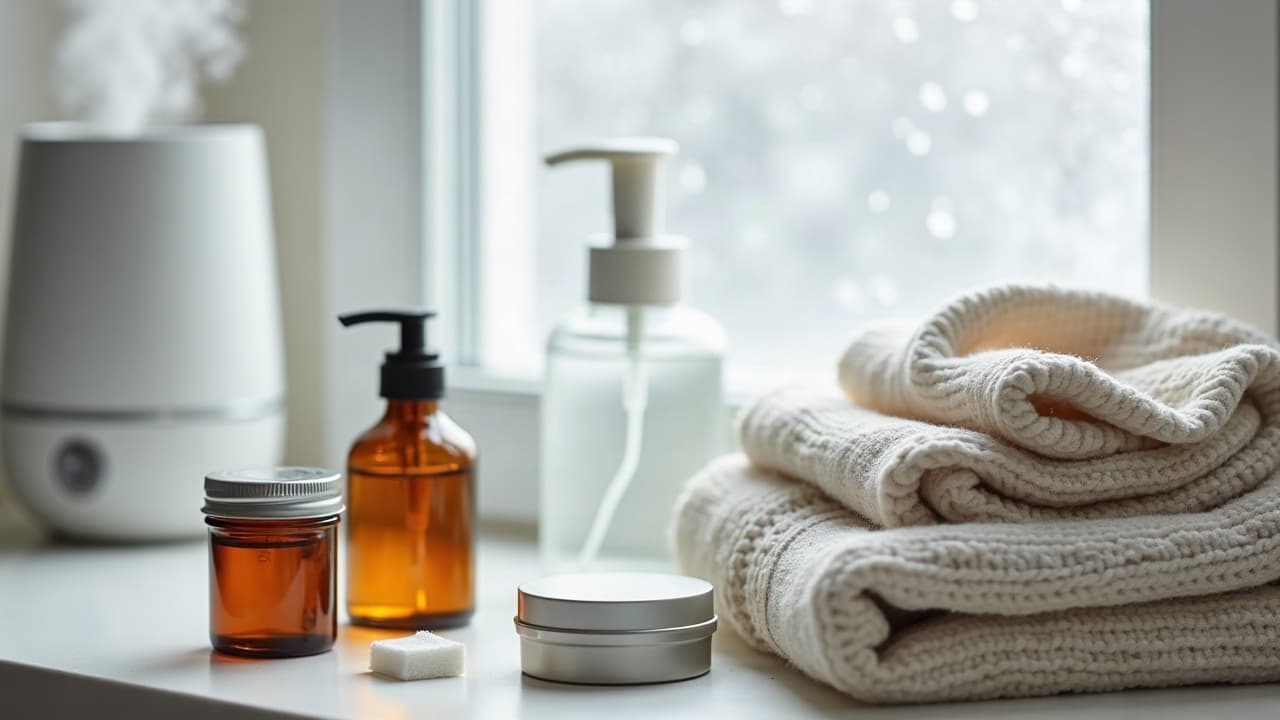
Cold air holds less moisture and indoor heating lowers humidity even more, which ramps up transepidermal water loss and makes new tattoos itch and flake. The fix is not more ointment, it is the right winter-weight routine that protects your barrier without suffocating it. This guide lays out proven cold weather moves that keep linework crisp and gradients saturated while your skin is under seasonal stress.
Why Cold Weather Changes Tattoo Healing
Fresh tattoos are controlled wounds. In winter, low ambient humidity and hot indoor air dry the top layers quickly, which can tighten scabs and raise the risk of micro-cracking. That cracking, plus thicker winter clothing, adds friction, which can lift healing tissue and cause color loss. The American Academy of Dermatology notes that dry, irritated skin heals poorly, and fragrance additives can make it worse, especially in cold months AAD overview.
Expect slightly slower desquamation in cold months, especially after day 3–7 when flaking peaks. Keep your plan conservative for 2–3 weeks, particularly for large color pieces. Basic wound-healing physiology is the same year-round, but your climate dictates how much water your skin loses every day. That is why winter aftercare prioritizes moisture balance, low-friction coverage, and gentle cleansing over frequent ointment slathering.
The Moisturizing Strategy That Works in Winter
Moisturizing is not one product, it is a sequence. Think light humectants to pull water in, then occlusives to seal it. In cold weather, you still want breathable layers. Skip petrolatum-heavy coats all day long on a fresh piece. Use a thin layer so pores stay clear and flaking can release naturally. Add a cool-mist humidifier in your bedroom to keep ambient humidity around 40–50 percent, a range dermatology groups recommend for dry skin Cleveland Clinic guidance.
- After washing, pat dry and wait 5–10 minutes until the surface is matte, then apply a pea-sized amount of lotion over a palm-sized area.
- Favor fragrance-free creams with ceramides or panthenol that support barrier lipids. Fragrance stings more in cold, cracked skin.
- Use light occlusives at night, not all day. A thin film prevents transepidermal water loss without trapping sweat under winter layers.
- Frequency beats quantity. Moisturize 2–3 times daily in winter. Too-thick layers risk folliculitis, especially under tight clothes.
- Humidifier on, thermostat moderate. Dry forced air robs your skin of water faster than you can replace it with lotion.
Artist-tested picks, all fragrance-free: Bepanthen, Aquaphor Healing Ointment, Hustle Butter Deluxe, Mad Rabbit Unscented Balm (non-sponsored examples). Use balms sparingly during the ooze phase, then switch to a cream once peeling starts. If you choose a transparent film dressing like Saniderm, follow the wear-time closely and remove with warm water to avoid skin tears in dry weather.
Washing and Drying Without Stripping Your Barrier
Winter tempts scorching showers. Do not do it on a fresh tattoo. Hot water and long showers strip surface lipids that you need for proper re-epithelialization. Use lukewarm water, a fragrance-free gentle cleanser, and keep it short. Pat dry with a clean paper towel or a soft microfiber cloth dedicated to aftercare only. Healthline’s basic aftercare timelines echo this approach for minimizing irritation across the first two weeks Healthline’s tattoo aftercare overview.
- Wash 2–3 times daily for the first week, then taper to daily as flaking settles. More is not better in low humidity.
- Choose syndet or soap-free cleansers, no scrubs. Grit plus winter dryness equals micro-abrasions and dull healing.
- Air-dry 2 minutes, then moisturize. Occlusives on damp skin trap water where you want it, in the stratum corneum.
- Skip bath soaks, hot tubs, and saunas for 2–3 weeks. Extended moisture softens scabs and raises infection risk.
Clothing, Layers, and Friction Control
Winter wardrobes can be brutal on a new piece. Thick seams, wool fibers, and compressive layers create rub points that wear at healing edges. Aim for soft, loose, breathable fabrics that glide, not grip. If your jacket sleeve or waistband crosses the tattoo, create a protective microclimate using a silk or bamboo base layer so the outer garment never grabs the skin.
- Choose loose long-sleeve tees or quarter-zip layers to position seams away from the tattoo and reduce catch points.
- If you use adhesive films, trim rounded corners and avoid stretching the skin on application to prevent edge lift in motion.
- For ankles and wrists, avoid elastic cuffs during week one. Elastic concentrates shear and can lift flakes prematurely.
- At bedtime, place a clean, non-shedding cloth barrier between blankets and the tattoo if you overhear your partner’s wool blanket snagging.
Outdoor Protection, From Windburn to UV on Snow
Cold wind dehydrates skin fast. Cover fresh tattoos when outdoors during healing using clothing first. Once the top is sealed and flaking stops, apply broad-spectrum SPF 30+ on any exposed work. Snow reflects a surprising amount of UV, and reflection combines with altitude to burn skin quickly. The EPA reports that snow can reflect up to 80 percent of UV radiation, which doubles exposure from ground and sky EPA on UV and snow reflection.
If you must be outside before the peel finishes, opt for a loose, breathable wrap rather than ointment as a wind shield. Keep time limited, moisturize after you return to room humidity, and avoid direct heater blasts in cars. For extreme cold activities, mind frostbite risk around distal placements like hands and ankles. The CDC has practical, non-hype basics on frostbite and wind chill that are worth a skim before a ski weekend CDC winter weather and frostbite basics.
Indoor Hazards: Heat, Showers, Gyms, and Saunas
Central heating dries air. Desk heaters and car vents blow directly on skin and speed water loss, so redirect vents away from healing tattoos. Keep showers short and warm, not hot. Skip saunas and steam rooms for 14–21 days to avoid maceration and pore congestion under heat. If you train, time workouts right after a wash so sweat sits on clean skin and rinse off promptly. We break down gym-specific concerns in our aftercare for exercise and recovery.
If you consider numbing creams for winter touch-ups, know that overuse or occlusion with heat can increase systemic absorption. The FDA has issued advisories reminding consumers to use topical anesthetics as directed, avoid large areas, and never combine with heat wraps FDA advisory on topical anesthetics. If you choose one, use the lowest effective dose, patch test, and clear it with your artist in advance.
Nutrition and Hydration That Actually Help Skin Recover
Hydration is not just chugging water the day of your appointment. During the first 2 weeks, steady fluids and balanced meals support the collagen remodeling that anchors the pigment. Vitamins A, C, and zinc play roles in epithelial repair, while adequate protein gives your body its building blocks. The Mayo Clinic’s wound care pages highlight these basics for general tissue recovery, which translate directly to tattoo healing Mayo Clinic on wound healing.
- Aim for half your body weight (oz) in water per day as a simple baseline, more if you are training indoors where sweat evaporates fast.
- Include lean protein at each meal and citrus or berry sources of vitamin C, which supports collagen cross-linking.
- Limit alcohol during the first 48 hours. It dilates vessels and can aggravate swelling, especially under warm indoor conditions.
Troubleshooting Redness, Itch, and Allergic Flares
Winter skin itches more, and scratching risks scarring. If itch ramps up after showering or heating kicks on, increase moisturizer frequency and step down water temperature. Watch for signs of contact dermatitis from scented laundry detergents or wool fibers brushing the area. Avoid mentholated anti-itch products on fresh ink. If you see a dotted red rash along clothing contact points, switch fabrics and simplify your routine.
True allergic reactions to ink are rare but real. We cover symptoms, timelines, and medical red flags in our allergic reaction aftercare guide. If swelling, heat, or discharge escalates despite conservative care, consult a clinician. For garden-variety dryness and mild prickle, the AAD recommends colloidal oatmeal or ceramide-rich moisturizers and strict fragrance avoidance until the epidermis is fully sealed AAD winter skin care basics.
When to Use Film Dressings in Winter, and When Not To
Transparent films like Saniderm or Derm Shield can help in cold climates by keeping contaminants out while maintaining a moist microenvironment. They are great for commutes or office days with dry heat. The flip side, film over-protection and low humidity can trap sweat under wool or synthetics. If you are very active or wear compressive layers, film edges can roll and chafe. Plan your week. If you are layering tight clothes, consider shorter wear-times like 24–48 hours rather than multi-day stretches.
Remove films under a warm, gentle shower to loosen adhesive, peel low and slow, then transition to a cream. If you notice hives or extreme itch under the film, discontinue and wash with a mild cleanser. A simple routine with lukewarm water and fragrance-free lotion works just as well for most people through winter.
Long-Term Winter Preservation for Healed Tattoos
Once healed, winter maintenance is simple. Keep using SPF 30+ on any exposed work, moisturize daily with ceramide or shea formulas, and stick to lukewarm showers. Dryness dulls healed pieces by roughening the surface that light bounces off. Smooth, well-hydrated skin makes color read brighter without any extra saturation in the ink itself. If you plan touch-ups, schedule them outside of deep-winter cold snaps so your barrier cooperates.
If you want to preview placements that avoid heavy winter friction zones like cuffs and waistbands, use our virtual tools. You can test scale and layout before committing and avoid high-rub spots that complicate cold-weather healing.
Protecting a new tattoo in winter starts with choosing a smart placement and a healable size. Use AI for Tattoo to generate a design that fits your cold-season wardrobe, then try it on virtually to spot seam lines and jacket rub zones before you book. Start with Create or preview placements with Try-On.
Try AI for Tattoo Free