
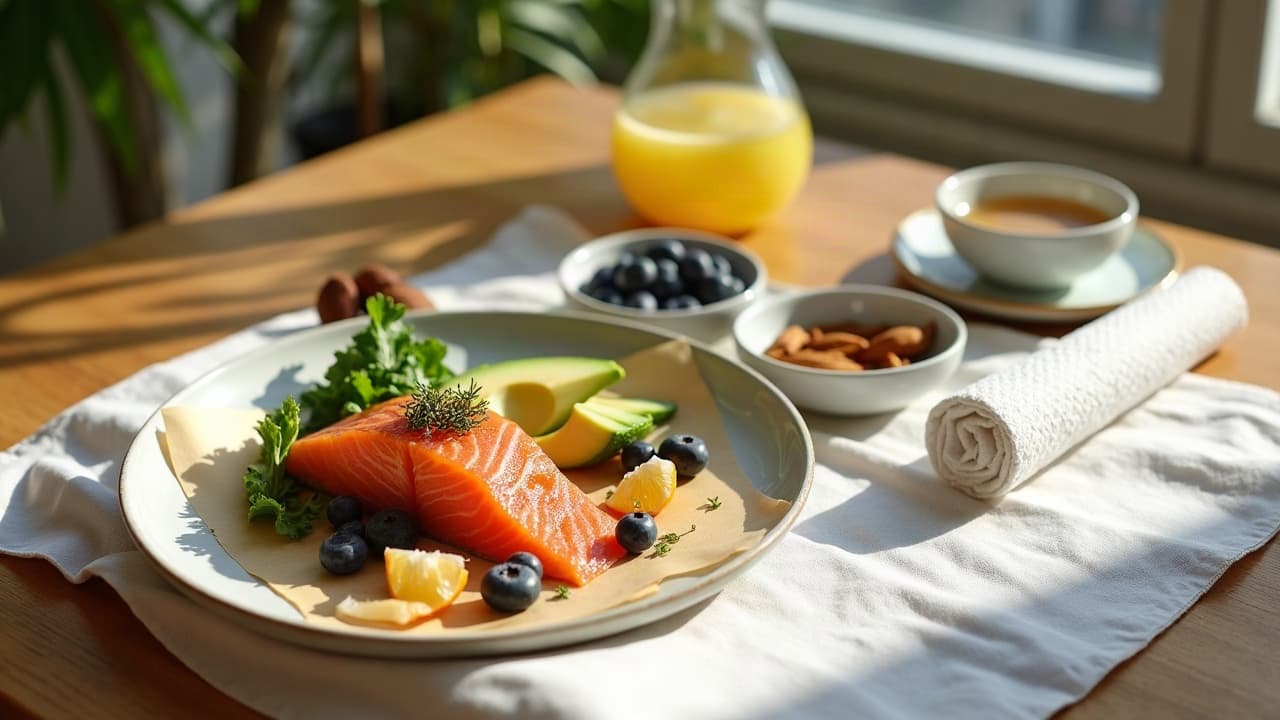
Tattooed skin is a controlled wound, and well-fed skin heals cleaner and faster. Protein, vitamin C, zinc, and steady hydration support collagen formation and immune defense, two pillars of neat healing that reduce scabbing and dullness. This is not speculation, it is standard wound care guidance from sources like the Cleveland Clinic, Mayo Clinic, the American Academy of Dermatology, and the NIH Office of Dietary Supplements. Build your plate right, and your aftercare products can do their job better.
What Your Skin Needs To Heal After a Tattoo
Healing runs through inflammation, proliferation, and remodeling. Your body needs raw materials to build new tissue and defend against microbes. That starts with adequate protein, vitamin C, zinc, vitamin A, omega-3 fats, and steady fluids. Skimping these can delay re-epithelialization and leave lines looking rough.
Practical daily targets for most healthy adults: keep protein around 1.2–1.6 g/kg body weight, hit 75–120 mg vitamin C, get 8–11 mg zinc, include omega-3s 1–2 servings fish weekly or seeds daily, and drink 2–3 liters water. These are general ranges from clinical nutrition references like Mayo Clinic and NIH ODS. If you are under medical care, match these to your provider’s advice.
The Tattoo Healing Nutrition Plan, By Phase
Your diet should shift as your tattoo shifts. Early days prioritize inflammation control and hydration without excess salt. Weeks two to four emphasize collagen support and steady energy so you avoid picking and over-drying.
- Days 0–3, keep it simple and soft. Prioritize lean protein and vitamin C produce, avoid alcohol for 48–72 hours, and sip electrolytes if you sweat. Think eggs, Greek yogurt, citrus, berries, and brothy soups.
- Days 4–14, increase colorful vegetables and omega-3s to support collagen crosslinking. Add salmon, sardines, tofu, lentils, bell peppers, and sweet potatoes. Maintain 2–3 liters fluids and moderate sodium.
- Days 15–45, remodeling phase. Keep protein 1.2–1.4 g/kg, add whole grains for micronutrients, and continue zinc sources like beef, oysters, or pumpkin seeds. Protect ink with SPF 30+ when exposed.
Priority Foods That Work Hard For Skin
You do not need exotic powders. You need consistent, nutrient-dense basics that cover aminos, antioxidants, and minerals. Here are staples I recommend in the studio because they are easy to source and budget friendly.
- Protein anchors: chicken thighs, canned tuna, salmon, eggs, Greek yogurt, cottage cheese, tofu, tempeh, lentils. Aim 25–35 g per meal to hit daily totals.
- Vitamin C all-stars: oranges, kiwifruit, strawberries, pineapple, bell peppers, broccoli. These support pro-collagen enzymes that knit the skin together.
- Zinc sources: oysters, lean beef, turkey, chickpeas, pumpkin seeds. Zinc supports keratinocyte migration and immune defense through the first two weeks.
- Vitamin A and carotenoids: sweet potatoes, carrots, spinach, kale, egg yolks. These back epithelial repair and help prevent a dull, ashy look over healing.
- Omega-3 fats: salmon, sardines, mackerel, chia, flax. They help balance inflammation so swelling calms without stalling repair.
- Hydration helpers: water, unsweetened coconut water, herbal tea, broth. Target 2–3 liters daily, more if you train or work hot shifts.
Budget tip: with smart swaps, a healing cart can land near $40–$60 per week for one person. Canned fish, frozen berries, bagged greens, bulk legumes, and store-brand Greek yogurt deliver the same core nutrients at a lower price.
What To Cook: 5 Simple Healing Recipes
These are fast, no-chef formulas designed for the first month. They keep protein and vitamin C high, sodium reasonable, and prep under 20 minutes. Adjust portions to meet your 1.2–1.6 g/kg protein target.
- Citrus collagen smoothie: Greek yogurt, frozen mango, orange, spinach, chia. Add 10–20 g collagen peptides if you use them. About 30 g protein, rich in vitamin C.
- Salmon and sweet potato tray bake: salmon, sweet potato wedges, broccoli, olive oil, lemon. 15 minutes at 425 F. Omega-3s, vitamin A, vitamin C in one pan.
- Egg and bean breakfast tacos: eggs, black beans, pico, avocado, corn tortillas. 25–30 g protein plus fiber to keep energy stable and cravings low.
- Lentil veggie soup: mirepoix, garlic, lentils, tomatoes, kale, lemon. Low effort, high zinc and vitamin C. Great for days 0–3 when chewing hurts energy.
- Yogurt bowl upgrade: Greek yogurt, strawberries, kiwifruit, pumpkin seeds, honey drizzle. Fast 30 g protein and 75–120 mg vitamin C depending on fruit.
Hydration, Electrolytes, and Caffeine Timing
Dehydrated skin behaves badly. Aim for 2–3 liters of fluids daily during the first two weeks. Broth and water-heavy produce like cucumber count. If you sweat at work or in training, include 300–500 mg sodium and 200–400 mg potassium across the day using diluted sports drinks or a pinch of salt in water.
Caffeine does not dehydrate you outright, but it can make some people jittery and raise heart rate, which is the last thing you want during linework. Keep caffeine low the morning of your appointment, then resume your normal moderate intake after. For general hydration science and skin health, see Cleveland Clinic and Healthline.
Smart Supplement Use: Helpful vs Not Helpful
Food should carry most of the load. Supplements can help if appetite is low, you are traveling, or your diet is restricted. Keep doses reasonable and time them around your session to avoid extra bleeding or irritation.
- Collagen plus vitamin C: 10–20 g collagen peptides with 75–120 mg vitamin C for 2–4 weeks may support collagen synthesis. Not mandatory, but convenient when appetite dips.
- Zinc: 8–11 mg daily is typical. Avoid high-dose zinc for longer than 2–3 weeks without guidance. Check NIH ODS for upper limits and interactions.
- Fish oil and vitamin E: avoid high doses for 3–5 days pre-session since they can increase bleeding. Resume modest dosing after day 1 if you normally take them.
- Protein powders: whey, casein, or soy can bridge you to 1.2–1.6 g/kg protein. Choose unsweetened or lightly sweetened to keep GI calm during early healing.
If you have conditions like diabetes, autoimmune disease, or are on anticoagulants, confirm supplement use with a clinician. The American Academy of Dermatology and Mayo Clinic offer condition-specific skin care guidance that pairs well with pro tattoo aftercare.
Foods and Habits To Avoid While Healing
This is where most clean lines get compromised. None of these are forever, but in the first two weeks they can bloat, dry, or inflame skin in ways you will see in the healed tattoo.
- Alcohol: skip for 48–72 hours after tattooing. It slows immune function and thins blood, not ideal when your skin is closing micro-wounds.
- Ultra-processed, super salty foods: big sodium spikes can worsen swelling. Favor whole foods until peeling is done around 7–14 days.
- Excess added sugar: large sugar hits can drive inflammation and energy crashes. Pair sweets with protein and fiber if you have them.
- Smoking and vaping: nicotine constricts blood vessels and can impair oxygen delivery. Your lines will thank you if you cut back during days 0–14.
For evidence-based wound-healing basics, browse Cleveland Clinic and Mayo Clinic. For nutrient facts and safe upper limits, use NIH ODS. Health explainers on hydration, electrolytes, and caffeine are well summarized at Healthline.
Pair Nutrition With Proven Aftercare
Food is not a substitute for topical care, it is the amplifier. Keep your artist’s instructions primary and pair them with consistent, nutrient-dense meals. A breathable film like Saniderm or Tegaderm can reduce friction in the first 24–72 hours, and a thin layer of Aquaphor, Bepanthen, Hustle Butter, or Mad Rabbit can maintain glide without suffocating the skin. These are non-sponsored examples.
If you prefer advanced routines or you are juggling work and training, read [our time-saving routines](/blog/advanced-tattoo-aftercare-for-busy-lifestyles). For appointment prep, from hydration to snacks, check [our studio visit checklist](/blog/tattoo-preparation-how-to-organize-a-studio-visit). And if healing stress spikes, [our emotional aftercare guide](/blog/tattoo-aftercare-emotional-support-guidelines) has practical, non-preachy tools.
Sleep is the recovery multiplier. Aim 7–9 hours and keep the tattoo off sweaty sheets. Shield from direct sun with clothing and apply SPF 30+ after peeling. Good food, smart topicals, calm minds, and time are what give tattoos that healthy glow by week 4.
Ready to plan your next piece while your current one heals clean? Use AI for Tattoo to generate custom designs and try them on your body in seconds. Load a photo, tweak the art, and preview placement before you book. Start here: Create or Try On.
Try AI for Tattoo Free