
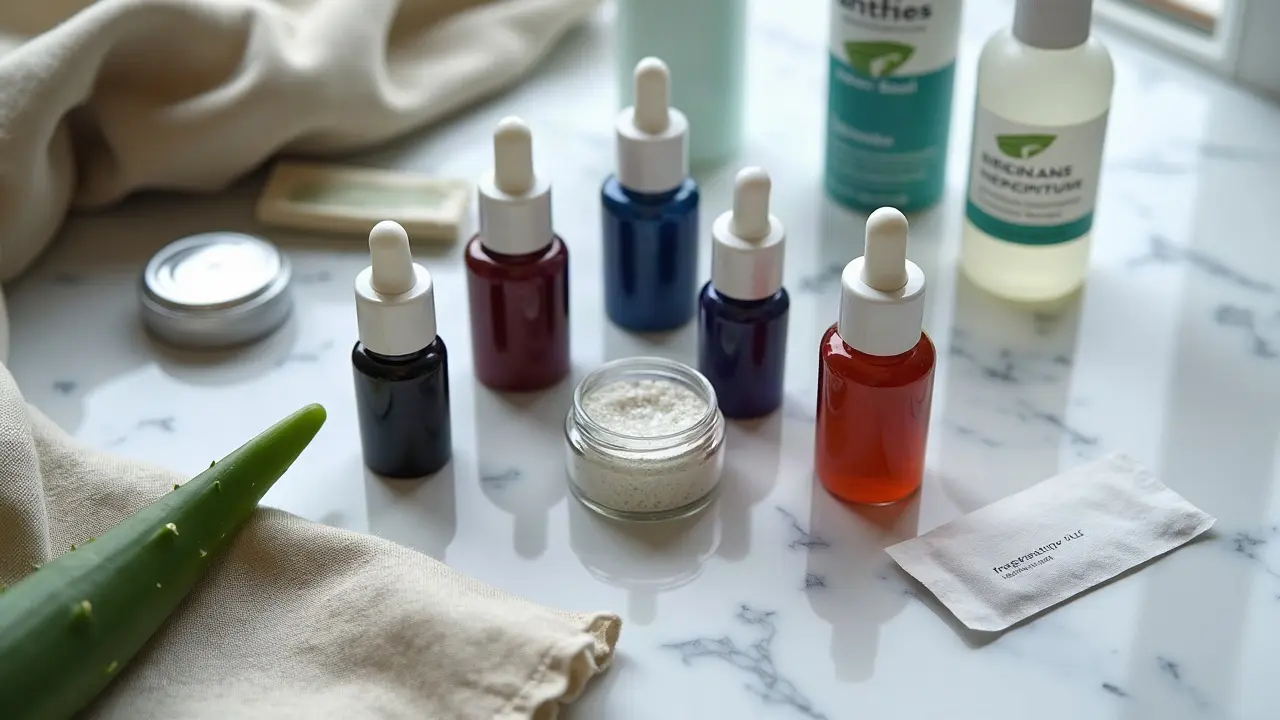
Red pigments are the most likely to trigger tattoo allergies, a pattern dermatologists have flagged for years. That single fact should change how you think about aftercare. If ink chemistry can change your risk profile, then your routine should adapt too. Vegan, organic, and metallic blends behave differently on skin, so small tweaks in bandaging, cleansing, and moisturizing can reduce complications and speed healing by 2–4 days. This guide maps the non-negotiables and the smart adjustments, grounded in studio practice and what dermatology sources advise. For medical context on allergic reactions, review the American Academy of Dermatology guidance and the U.S. FDA overview on tattoo inks. For general healing timelines and infection red flags, the Cleveland Clinic’s skin health resources are clear and practical.
Why ink materials change aftercare
Tattoo pigment is not one thing. Carbon black, iron oxides, titanium dioxide, azo dyes, and metal salts all sit in the dermis but interact differently with light, moisture, and your immune system. Red and some orange pigments are historically linked to higher allergy rates, white ink can slow healing because of particle size, and metal-containing pigments can complicate MRI scans. Government and peer-reviewed sources, including the FDA’s consumer updates and summaries in JAMA Dermatology, note that inks are not FDA approved for injection and labeling is inconsistent. Translation for aftercare: stick to fragrance-free basics, avoid unnecessary actives, and know when to switch tactics by pigment.
The baseline routine that works for any ink
Every ink benefits from a clean, simple routine. Your artist may apply a second-skin bandage like Saniderm or Derm Shield for 24–72 hours, or advise a breathable wrap for the first 2–6 hours. After removal, cleanse gently twice daily, keep it slightly moist, and minimize friction. Most tattoos are surface-healed in 10–14 days, with deeper remodeling over 4–6 weeks. If your skin is reactive, cross reference our inflamed skin aftercare guide for symptom-first steps.
- Wash: Use lukewarm water and a fragrance-free cleanser like Cetaphil Gentle Skin Cleanser or Dove Sensitive Skin Beauty Bar, 20–30 seconds, pat dry.
- Moisturize: Apply a thin film of Bepanthen, Aquaphor, or Hustle Butter twice daily for 5–7 days, then switch to a light lotion. Avoid heavy occlusion if skin feels soggy.
- Sun: Zero direct sun for 3 weeks, then SPF 30–50 mineral sunscreen on healed skin. No tanning beds.
- Activity: Short showers only, no soaking or swimming for 2 weeks. Avoid tight gym wear that rubs.
- Hands off: No picking. Peeling and micro-itching peak around days 4–8.
Non-sponsored product examples often used in studios: Saniderm, Derm Shield, Bepanthen, Aquaphor, Hustle Butter, Mad Rabbit, CeraVe Daily Moisturizing Lotion (non-sponsored examples). Expect a $15–$40 spend for a cleanser, ointment, and bandage pack for the first two weeks.
Vegan tattoo inks: clean ingredients, same healing rules
Vegan inks avoid animal-derived glycerin and bone char, often using plant glycerin and synthetic dispersants. They are not automatically hypoallergenic. Allergy risk still depends on the pigment family, especially reds and some purples. Keep the routine minimal and avoid perfumes and botanical oils early on, since essential oils can irritate compromised skin. If your studio uses a second-skin, remove it on time, then switch to a light, fragrance-free emollient. Heavy petroleum can be fine for the first 2–3 days, but with vegan blends I prefer a quicker transition to a lighter lotion to reduce maceration. If you have a history of eczema or contact dermatitis, patch test the aftercare itself on intact skin before the appointment, and ask your artist which vegan brands they stock so you can scan ingredient sheets. Allergy background info is summarized by the American Academy of Dermatology.
- Good picks: Bepanthen for days 1–3, then CeraVe or Aveeno Restorative Skin Therapy for days 4–14.
- Avoid early: tea tree, lavender, citrus oils, and exfoliating acids. Save actives for week 6 onward.
- If itchy on day 3–6: cool compress for 5 minutes, then a thin layer of colloidal oatmeal lotion.
Organic and plant-derived pigments: gentle, but not allergy proof
“Organic” in ink often refers to carbon-based or azo pigments, not pesticide-free farming. Some plant-associated or azo reds still cause more reactions than blacks or blues. Keep your first week fragrance-free and watch for stubborn redness that outlasts the normal 48–72 hour post-session flare. If you see pinpoint pustules or bright red halos specifically where certain colors sit, contact the studio and consider a dermatology visit. Cleveland Clinic notes that infections and allergic contact dermatitis can look similar early, and both require different handling, so do not guess if symptoms persist beyond day 5. For differential diagnosis pointers, see the Cleveland Clinic’s dermatology pages and ask your artist for a photo check-in.
- Switch sooner to lotion if skin feels slick under ointment for more than 2 hours after application.
- Use a non-stick pad under loose clothing on high-friction spots like inner arm or ribs for 3–5 days.
- Document: take daily photos under the same light to track whether redness is improving day by day.
Metallic and metal-salt pigments: extra caution and symptom tracking
So-called metallic inks do not shine like foil, but they can include aluminum, chromium, iron oxides, or mica that reflect light. Metal sensitivity is common, particularly nickel sensitivity in jewelry wearers. If you know you react to costume jewelry, tell your artist before booking and request brand and color specifics. Keep your early routine extra conservative: fragrance-free wash, thin occlusive only for 1–2 days, then a light moisturizer. Watch for hives, burning, or swelling that localize to the metallic tones. Report any history of MRI discomfort around older tattoos that used iron oxides, a rare but documented issue summarized by the FDA and dermatology literature like JAMA Dermatology.
- Bandage adhesives can also trigger reactions. If you are tape-sensitive, ask for hypoallergenic film or traditional wrap for 24 hours only.
- Avoid AHAs, BHAs, and retinoids on or near the tattoo for at least 4 weeks, they can increase irritation and accelerate color fade.
- If a rash spreads or blisters appear, stop all products, cleanse with lukewarm water only, and seek a clinician. Share the exact pigment names.
White, pastels, and UV-reactive inks: slowing down pays off
White and pastel inks are typically heavy on titanium dioxide and other light pigments, which can slow the re-epithelialization step. Expect flaking to run toward the longer end, about 10–14 days. Keep occlusives thinner for fewer days, and moisturize more frequently with a light lotion to manage micro-cracking. UV-reactive inks, often containing specialty fluorescing compounds, are more unpredictable in how they age. Sun avoidance is already a rule, but with white and UV pieces treat shade as mandatory. After the surface heals, daily SPF 50 is not optional. For general photoaging and ink-fade prevention, see the educational materials at the American Academy of Dermatology.
- Moisturize thinly 3–4 times daily in the first week if flaking is pronounced, do not over-grease.
- Use mineral sunscreen with zinc oxide on healed tattoos, chemical filters can sting recently healed edges.
- Expect touch-ups. Whites and pastels may need a pass at 3–6 months, pain typically 3–5/10 on small spots.
Paperwork that protects you: pigment sheets and patch tests
Ask your studio for SDS or ingredient sheets for every color used. Reputable brands publish them, and that document can save you time if a reaction happens. If you have known allergies to nickel, chromium, or specific dyes, request a spot test a week before your session on a small dot. While patch tests are not perfect for intradermal reactions, they can surface obvious contact sensitivities to carriers or preservatives. The FDA’s consumer pages explain why tattoo pigment labeling is variable, which is exactly why knowing the brand and batch used is smart. For first-timers, our primer on shop prep and safety, including what to ask before you sit, is here: first tattoo safeguards.
Troubleshooting by symptom, not panic
Most hiccups are minor. Itchiness around days 3–6 is normal. Stinging for the first 24–48 hours is normal. What is not normal is increasing redness after day 3, pus, or fever. Allergic reactions often show up as stubborn redness or bumps that localize to a specific color field. Infections tend to spread beyond the design and come with warmth and pain. If you are unsure, contact your artist for immediate triage and consider a dermatologist. The Cleveland Clinic provides clear signs of when an infection needs medical care.
- If over-dry: increase lotion frequency and add a thin occlusive at night for 2–3 nights.
- If over-wet or prune-like: stop occlusives for 24 hours, switch to light lotion only, keep it uncovered at home.
- If adhesive rash: remove bandage, cleanse gently, use 1% hydrocortisone around but not on open areas, then switch to non-adhesive dressings.
What to buy, what it costs, and what to skip
Keep your cart boring. You need a mild cleanser, a small tube of ointment, a fragrance-free lotion, and optionally a medical film. Avoid scrubs, strong acids, and scented body butters until at least week 4. Expect $15–$40 for basics and $5–$10 per sheet for medical film. Numbing creams such as TKTX are for pre-session use only, not aftercare. If you are plant-sensitive, skip balms with essential oils. If you are metal-sensitive, focus on observation and fast escalation if redness localizes to a metallic hue. When in doubt, follow conservative dermatology advice from sources like the American Academy of Dermatology.
Ink choice and placement influence your aftercare game. Test drive the design, color mix, and scale before you commit so you know exactly what you will be caring for. Use AI for Tattoo to generate custom concepts and preview them on your skin with our virtual try on. Start a design now at Create, then see it on your body at Try On.
Try AI for Tattoo Free