
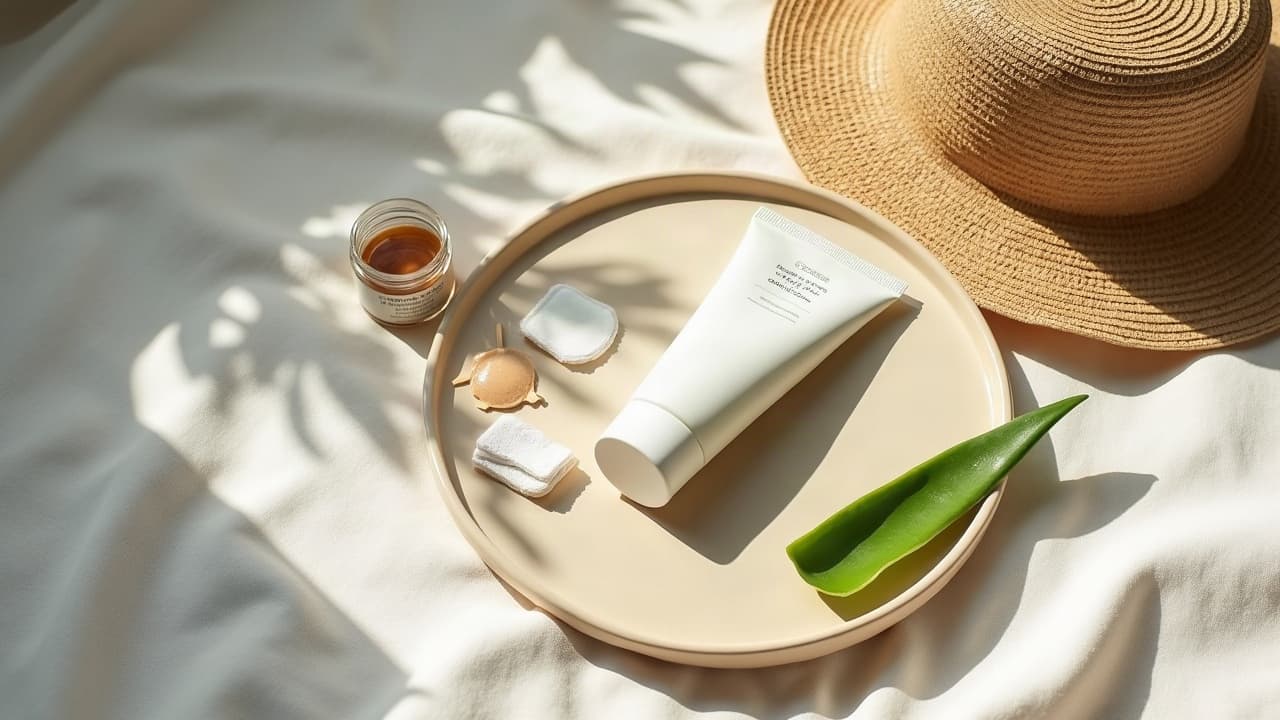
SPF 30 filters about 97% of UVB, SPF 50 about 98%, but a fresh tattoo should see zero direct sun for at least 14 days. If your skin is sun‑sensitive, that buffer matters even more. Sunlight ramps up redness and swelling, which can turn a clean heal into scabs, texture changes, or color shift. The goal here is simple, keep your new tattoo calm, clean, and fully shielded until the top layers seal, then choose protection that your reactive skin can actually tolerate.
Why Sun-Sensitive Skin Changes Tattoo Aftercare
Photosensitive skin, whether due to Fitzpatrick I–II, medications, or conditions like PMLE, burns and flares faster. More inflammation means a higher chance of over‑exfoliation, thicker scabs, and patchy fade. The American Academy of Dermatology confirms that broad‑spectrum sun protection is critical for preventing skin damage and discoloration, which applies one‑to‑one with tattoo longevity AAD sunscreen advice. On a new tattoo, UV is also an infection risk multiplier because you are essentially exposing a healing wound to heat and radiation. Respect the timing, and your linework and color will repay you.
- If you burn easily, schedule sessions in late afternoon so your trip home avoids peak UV and heat, which can spike swelling.
- Favor placements that can be covered for 4–6 weeks during healing, like upper arm, thigh, ribs, or back over forearm or hand.
- Ask your artist about lighter trauma techniques on reactive areas, for example single pass shading and minimal overworking on inner bicep or ankle.
- Keep showers lukewarm, not hot, for the first week to limit vasodilation and throbbing aftercare discomfort.
- Avoid alcohol and intense cardio for 24–48 hours post‑session to reduce swelling and friction on wrapped areas.
First 72 Hours: Create a Safe Healing Barrier
The start sets the tone. For sun‑sensitive skin, I prefer a medical‑grade second‑skin bandage to shield from friction and incidental daylight. Options include Saniderm or Tegaderm (non‑sponsored examples). You will likely keep the film on 24–72 hours total, swapping once if there is fluid buildup. If adhesives irritate you, use classic wrap from the studio for the ride home, then transition to non‑adherent pads plus light dressings changed 2–3 times a day.
- Clean hands, then wash gently with fragrance‑free soap such as Dr. Bronner’s Baby Unscented or Dove Sensitive Skin. Rinse with lukewarm water and air‑dry.
- Apply a pea‑sized layer of Bepanthen, Aquaphor, or Hustle Butter to keep the surface supple, not shiny pooling. Reapply 2–3x daily (non‑sponsored examples).
- If adhesives trigger redness, switch to sterile non‑stick gauze with a thin layer of petrolatum and breathable tape along the edges only.
- Sleep in clean, soft cotton. Avoid pet hair, dusty sheets, and anything that sheds fibers into ointment.
- Zero sun. Even walking to the mailbox, throw on UPF 50 clothing or a loose long sleeve over the wrap.
Weeks 1–2: Moisturize, Cleanse, and Keep It Shaded
The peel stage itches. On sun‑sensitive skin, resist the urge to accelerate flake removal. Keep the routine boring and consistent. Wash twice daily with a gentle cleanser, pat dry, then moisturize with a fragrance‑free, dye‑free lotion. Many clients do well with Mad Rabbit Soothing Gel or a light ceramide moisturizer. A light layer, 3–4x per day, prevents the tightness that leads to cracking. If you see heavy weeping or thick yellow crust, that is not normal peeling. Call your artist and, if needed, your clinician. Cleveland Clinic’s wound‑care basics align here, clean, moisturize, protect, and watch for infection warning signs Cleveland Clinic guidance.
- Avoid soaking. No pools, hot tubs, baths, ocean, or lakes for 2–3 weeks, or until the skin surface is fully sealed.
- Skip gym machines with shared pads or straps for 5–7 days to limit bacteria and friction on the wrap area.
- If you must go outside, use UPF sleeves, a wide‑brim hat, and stay in shade. Do not use sunscreen on a tattoo that is still raw or peeling.
- Expect itch level to rise around days 4–7. Tap the skin or cool it with a clean gel pack through fabric, never scratch or pick.
- Keep clothing loose. Tight leggings or waistbands grind off flakes prematurely and can lift ink.
Sunscreen Strategy for Healed Tattoos on Reactive Skin
Once the surface is smooth, matte, and no longer tender, usually 2–4 weeks in small pieces and 4–6 weeks on large color‑packing work, build a sunscreen habit. For sun‑sensitive skin, I recommend mineral formulas with zinc oxide and titanium dioxide, labeled broad spectrum SPF 50+. Avoid heavy fragrance and common chemical UV filters that can sting reactive skin. The FDA explains how to read broad spectrum and water resistant 40 or 80 min labels, which actually matter when you sweat or swim U.S. FDA sunscreen labeling.
- Daily urban use, choose a sheer SPF 50 mineral lotion and reapply every 2 hours outdoors. Sticks are great for small pieces on hands or neck.
- Beach or hike days, look for water resistant 80 min mineral options. Reapply after toweling, sooner if you see shine or sweat running.
- If you are sensitive to zinc, test a titanium‑heavy formula on a healed non‑tattooed patch for 48 hours before using it on your ink.
- Use 1 teaspoon of sunscreen to fully cover an average forearm. Under‑applying is the most common reason people burn despite “high SPF.”
- Pair SPF with UPF 50 clothing for redundancy. SPF plus fabric beats SPF alone, especially at altitude or on water.
Clothing, Shade, and Timing: Non‑negotiable UV Defense
Your best early‑healing sun protection is fabric and shade. UPF fabrics physically block UVA and UVB without risking a product reaction on tender skin. A lightweight UPF 50 long sleeve or arm sleeve costs $25–60 and outperforms rushed sunscreen on a moving target like a forearm. Add a wide‑brim 3–4 inch hat, sunglasses, and plan errands before 10 a.m. or after 4 p.m. when the sun angle is kinder. The AAD and Mayo Clinic both emphasize shade and clothing as first‑line, then sunscreen as supportive American Academy of Dermatology, Mayo Clinic sun safety.
- Keep a compact UPF umbrella in your car or bag. It protects the tattoo and keeps you cooler during that unexpected sunny wait.
- Car windows block most UVB but not all UVA. Use a UV window film if you commute with a fresh arm or hand tattoo.
- Choose matte, lightweight fabrics that breathe. Shiny synthetics can trap heat and aggravate swelling under wraps.
- For outdoor jobs, request temporary duty adjustments if possible so the area can stay covered for 4–6 weeks.
- Budget gear that works, Aqua Design arm sleeves, Coolibar shirts, or Sungrubbies hats, typically $15–60 (non‑sponsored examples).
Placement, Season, and Session Planning Tips
If the sun is your nemesis, set yourself up before the stencil ever goes on. Choose placements that can be covered during the entire healing window and are easy to sunscreen later. If you want a hand, neck, or outer forearm piece, aim to book fall or winter so you can layer without sweating. Large color‑saturation work takes longer to settle, so consider breaking big projects into shorter sessions to reduce trauma in one go. For more prep details, see skin prep basics in our guide to skincare before getting inked.
- Ask your artist for thin film wrap if you have adhesive sensitivity and need breathability on high‑motion spots like elbows or knees.
- For outdoor athletes, plan tattoos off‑season. Give yourself 6–8 weeks before races or surf trips to avoid sun and water exposure.
- Consider inner arm, rib, thigh, or upper back for first tattoos if you are highly reactive to sun.
- Request test spots of ink if you have a history of pigment reactions, especially with reds and yellows which can be more reactive for some people.
Managing Flares, Allergies, and Irritation Signs
Sun‑sensitive skin often means a history of product reactions. Keep your kit simple, unscented, and patch test everything on healed, non‑tattooed skin for 48–72 hours. Watch for spreading redness, heat, pus, or fever, which are medical flags. Photo‑allergic and irritant reactions do happen in tattooed skin, and a dermatologist can help distinguish them from normal healing. When in doubt, stop any new product until you are evaluated. If you need a refresher on what normal progress looks like, bookmark our signs of healing timeline.
- If a moisturizer stings, rinse with cool water and switch to a plain petrolatum layer until symptoms settle.
- Persistent itch beyond 2 weeks or hives after sun exposure warrants a professional look. Document with photos and dates.
- Avoid benzocaine or topical anesthetics during healing. They can irritate and complicate the picture if you need care.
- If you are on doxycycline, isotretinoin, or St. John’s wort, ask your clinician about sun precautions. Many meds increase photosensitivity Mayo Clinic.
Keep Your Color: Long‑term Care and Touchups
Even after healing, UV is public enemy number one for tattoo vibrancy. Make SPF and UPF part of muscle memory. Expect to refresh small black‑and‑gray lines every 5–10 years, color packing sometimes sooner if you live outdoors. Budget $50–$300 for minor touchups depending on studio policy. And remember, moisturized skin reflects light more evenly, so colors appear richer. If you want a primer on why hydration matters for ink optics, check our moisturizing aftercare guide. For broader skin‑cancer and UV facts, the WHO and Cleveland Clinic both provide accessible overviews World Health Organization, Cleveland Clinic.
Planning around the sun starts with placement and coverage. Use AI for Tattoo to generate designs that fit easy‑to‑cover zones, preview sizing, and virtually try on sleeves or thigh panels before you book. Build, test, and iterate at Create and Try‑On, then save favorites to discuss with your artist.
Try AI for Tattoo Free