
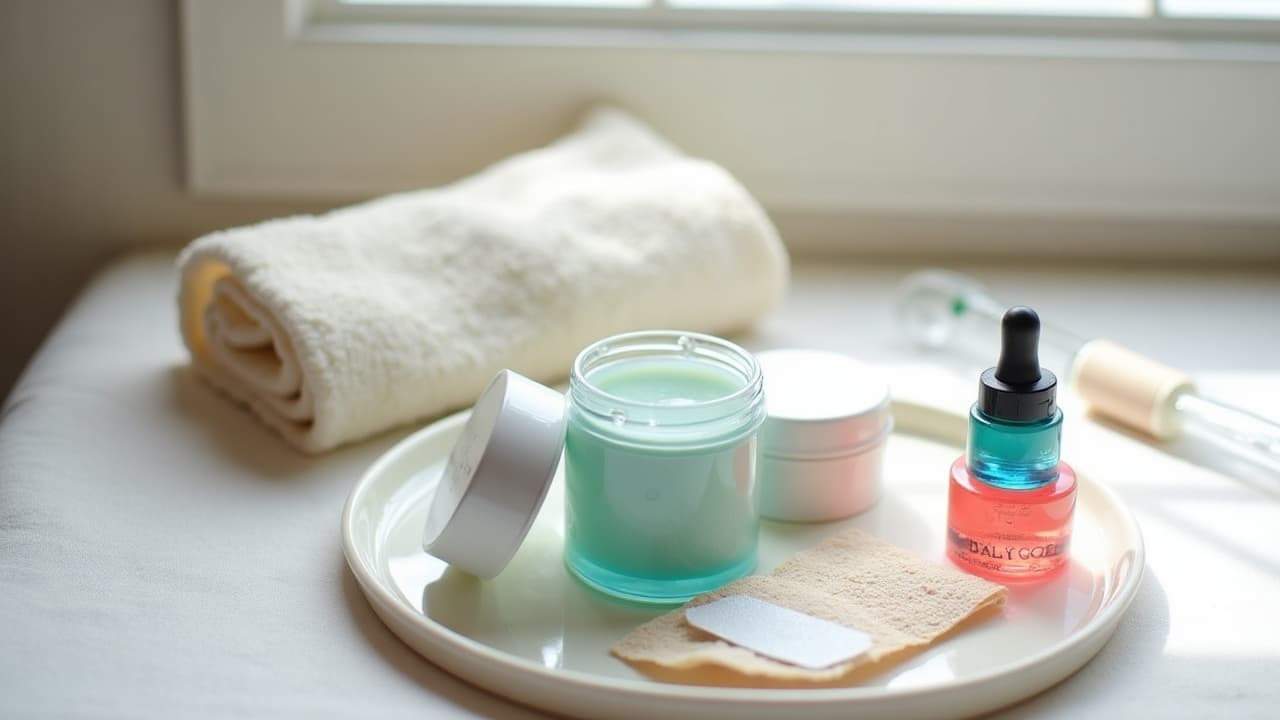
Most crisp, vibrant tattoos share one habit, consistent thin moisturizing during the first 14 to 30 days. Hydrated skin rebuilds its barrier faster, reduces scab bulk, and protects pigment. Dermatology groups agree that moist wound care supports re-epithelialization and comfort, which is exactly what a fresh tattoo needs in its fragile first weeks. See the American Academy of Dermatology for high level principles of gentle wound care and moisturizers that are fragrance free and non-comedogenic AAD guidance. We will keep this practical, with specific products, schedules, and the right amount to use so you avoid the two biggest mistakes, over-moisturizing and scent-heavy lotions that irritate new ink.
Moisture is the engine of skin repair, here is why it matters
A tattoo is a controlled abrasion in the epidermis and upper dermis. Right after your session, the skin leaks fluid and heat, then starts rebuilding its barrier. Without moisture, transepidermal water loss (TEWL) spikes, tightness increases, and scabs thicken, all of which can lift pigment. Keeping the surface lightly hydrated creates a flexible micro-environment so keratinocytes can migrate and seal the skin with fewer cracks. Medical sources note that keeping a wound moist is linked to smoother resurfacing over 1 to 2 weeks Mayo Clinic overview and improved comfort with fewer disruptions AAD guidance. The goal is not a greasy occlusive shell, it is a thin, breathable layer that keeps the skin supple while it closes.
What to use, ointment vs cream vs lotion
Products fall on a spectrum. Ointments are occlusive, high in petrolatum or panthenol, and excel in the first 48 hours. Creams blend water and lipids, great for the peeling phase. Lotions are lighter, easier to spread on larger pieces, and ideal as you approach day 10 and beyond. Look for fragrance free, alcohol free, and simple ingredient lists. Helpful actives include ceramides, hyaluronic acid, panthenol, shea butter, and glycerin. Avoid exfoliants like AHA, BHA, retinoids, and essential oils early on. Real world, these picks are tattooer-approved and easy to find, Aquaphor Healing Ointment, Bepanthen, CeraVe Moisturizing Cream, Eucerin Advanced Repair, Hustle Butter Deluxe, Mad Rabbit Tattoo Balm, and medical adhesive films like Saniderm for the initial wrap (non-sponsored examples). Expect $10 to $35 for a jar or tube that will easily cover a medium piece.
Application timing and technique that actually works
Think clean, dry, then thin. Wash gently with lukewarm water and a fragrance free soap, pat dry, air out for 5 minutes, then apply a pea sized amount per palm-size area. Rub until the skin has a soft sheen but no wet glare. If your clothes stick or the tattoo looks shiny-wet 15 minutes later, you used too much. Early on, ointment twice daily is plenty. As peeling starts, switch to cream or lotion 2 to 3 times daily, more often if your climate is dry or heated. This schedule keeps the barrier balanced without suffocating it.
- Days 1 to 2, after the wrap comes off, cleanse, pat dry, then apply a thin ointment layer morning and night. If your artist uses a film like Saniderm, follow their timing before first moisturizers.
- Days 3 to 5, skin feels tight and glossy. Continue a thin ointment or switch to a bland cream. Apply 2 times daily, and blot any excess before dressing.
- Days 4 to 10, the peeling phase starts. Use a cream or lotion 2 to 3 times daily. Do not pick flakes. Tapping relieves itch better than scratching.
- Days 11 to 30, surface is closed but dull. Keep using a light lotion morning and night. After showers, reapply within 3 minutes to lock in water.
- Signs of over-moisturizing, squishy or soggy skin, clogged pores, or pimples near the tattoo. Cut quantity in half and increase air-dry time between washes.
Adjust for size, placement, and lifestyle
Large pieces, high movement zones, and high friction areas need tweaks. A half sleeve can drink 100 to 200 grams of product during healing. Joints like elbows and knees flex constantly, so go for a mid-weight cream that moves with skin without sliding off. Hands, fingers, and feet are high friction with slower healing and higher contamination risk. Use very thin layers and let them set before putting on socks or gloves. Athletes and hot-climate clients often benefit from shorter, more frequent moisturization bursts, think micro-doses after rinsing sweat. If your artist sent you home with a second skin film, honor their timeline, typically 24 to 72 hours before transitioning to creams.
- High-motion zones, elbows, knees, shoulders, prefer a cream in the daytime and a tiny dab of ointment at night so folds do not crack during sleep movements.
- Hands and fingers, thin layers only, let each application absorb for 10 minutes before touching steering wheels, keyboards, or gym gear to avoid grit sticking to ointment.
- Feet and ankles, combine thin moisturizers with clean, breathable socks. Swap socks midday if they become damp. Thick balms can trap sweat and soften scabs too much.
- Sleeves and back pieces, decant lotion into a clean pump bottle. Pumps stay cleaner than jars and help you hit the pea sized target per palm area.
- Oily or acne prone skin around the tattoo, pick non-comedogenic lotions. If bumps appear, back off quantity and use a lighter product once daily until skin calms.
Control itch without harming the tattoo
Itch peaks during the peeling phase, usually days 4 to 10. Moisturizing reduces that crawl-under-your-skin feeling by keeping flakes flexible. If itch climbs past 5 out of 10, try a cool compress with a clean cloth for 5 minutes, then a thin lotion layer. Products with colloidal oatmeal or panthenol are soothing. Some people get relief from a non-drowsy antihistamine, but check with a clinician if you have medical conditions or are on other meds. Scratching or slapping breaks micro-scabs and can make lines look fuzzy later. Cleveland Clinic highlights infection signs to watch during aftercare and reminds patients to keep new tattoos clean and moisturized for comfort Cleveland Clinic overview.
Lock in color for the long term, moisturize and block UV
Hydration is not just for month one. Skin that stays supple reflects light evenly, which makes colors pop. Add broad spectrum SPF 30+ once the tattoo is fully healed. UV speeds pigment fade and roughens texture. Regular use of sunscreen and moisturizer is a proven way to preserve color contrast over time Healthline on tattoo aftercare. If you notice sudden redness, swelling, or a rash months later, it can be an ink or product reaction. The FDA notes that tattoo pigments and aftercare products can trigger delayed sensitivities in some people FDA tattoo safety. Keep using fragrance free moisturizers and spot test any new product on nearby skin first.
Mistakes that dull ink or slow healing
- Using thick ointment for too long. Switch to a lighter cream as soon as shine fades, usually around day 3 to 5, to avoid suffocating skin and softening scabs excessively.
- Applying huge globs. More is not better. The correct dose is a thin layer that absorbs within 5 to 10 minutes and leaves no residue on clothing.
- Reaching for scented body lotion. Fragrance and essential oils are top irritants, especially on healing skin. Stick to dermatologist-tested, fragrance free basics for at least the first month.
- Skipping moisturizer after showers. Water swells and then evaporates from skin. Replace it with lotion within 3 minutes of towel dry to keep flakes flexible.
- Going back to sweaty gyms too soon. Sweat plus friction can macerate skin. If you return early, rinse sweat promptly and reapply a thin layer after air drying.
- Guessing instead of asking. If something looks off, text your artist early. Review our safety guidelines for first tattoos for hygiene, wraps, and when to escalate.
When to taper moisturizing, and when to call a pro
As flakes end and the skin looks matte and settled, usually around day 21 to 30, taper to once daily lotion like any other body area. Keep sunscreen in play forever. Red flags that mean stop experimenting and talk to a clinician, spreading redness, increasing pain after day 3, warmth, yellow or green discharge, fever, or red streaks. These are not normal after a straightforward tattoo and need medical eyes. Major medical groups provide straightforward lists of infection symptoms and when to seek care Mayo Clinic overview and AAD guidance. If you live with eczema, psoriasis, or diabetes, tailor your plan, our guide to aftercare for chronic skin conditions covers adjustments without sacrificing ink quality.
Product callouts and how much to buy
For a palm sized tattoo, a 14 gram ointment and a 236 ml pump of lotion is plenty. For a forearm piece, plan 100 to 200 grams total across the first month. A few reliable, reasonably priced picks you will actually use, Aquaphor Healing Ointment, Bepanthen, CeraVe Moisturizing Cream, Eucerin Advanced Repair, Hustle Butter Deluxe, Mad Rabbit Tattoo Balm, Saniderm films for early wrap management (non-sponsored examples). Keep one product type per phase. Switching brands every two days increases the risk of irritation and makes it hard to pinpoint what caused a reaction.
External references backing this approach are not exotic. The AAD recommends gentle cleansing and fragrance free moisturizers on disrupted skin. The Mayo Clinic outlines normal healing windows and signs that require care. Cleveland Clinic underscores infection red flags and simple comfort measures. Healthline summarizes peeling timelines and sunscreen’s role in preserving color. The FDA reminds everyone that pigments and aftercare products can cause rare reactions. Keep your routine simple, thin, and consistent and your healed tattoo will thank you.
Ready to protect art you will love for decades? Generate a design you are confident caring for, then preview placement on your own skin before booking. Start in our creator and virtual try-on, build your piece in AI for Tattoo Create and test scale, flow, and sun exposure with Try On. Moisturizing is easy when you plan smart.
Try AI for Tattoo Free