
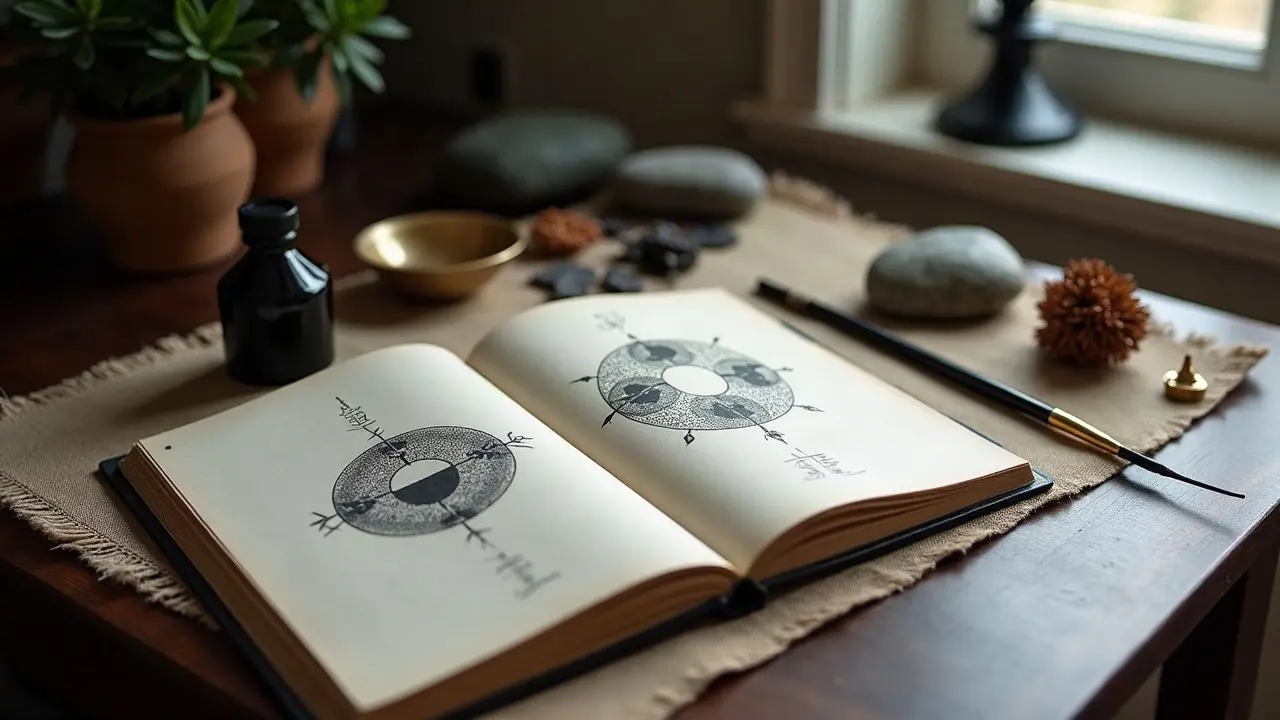
Roughly one in three U.S. adults reports at least one tattoo, and many say the draw is meaning first, aesthetics second. That tracks with recent Pew Research Center data showing tattoos as mainstream identity markers. For a growing group, the needle is a ritual tool. Tattoo spirituality is not a buzzword, it is a practical way people attach intention to bodies, places, and stories.
What We Mean by Tattoo Spirituality Today
Think of sacred tattoos as commitments made visible. Some anchor grief, sobriety, or rites of passage. Others echo faith, nature, or community values. You do not need a religion to work spiritually. You need clarity, consent, and a consistent practice around your ink. In studio terms, spirituality shows up as the way you set the room, speak intentions, choose motifs, and care for the healed result. It also shows up in boundaries, for example deciding that a memorial piece lives over the heart and nowhere else. A good artist will meet you there with respect, not roll their eyes.
- Common intents clients name out loud before we start: protection, remembrance, gratitude, belonging, transformation, and accountability. Naming it matters, it keeps the design and placement honest.
- If you are secular but spiritual, try using concrete language. Instead of “energy,” say “I want to feel grounded during change,” then match symbols and placement to that grounded state.
- Sacred does not have to mean serious. Humor and joy tattoos, a tiny strawberry for recovery or a dancing sun for resilience, can be holy if they reflect your lived values.
Roots and Lineages, From Polynesia to Sak Yant
Modern tattoo rituals did not appear from nowhere. Polynesian tatau, including Samoan pe'a and malu, mark genealogy and service. Māori ta moko encodes whakapapa and social roles. Thai Sak Yant is applied with prayers, often by ajarns or monks, and carries rules of conduct. Japanese irezumi includes protective deities and natural forces. Filipino batok is reemerging through cultural bearers. These are living systems, not open clipart. If your spiritual practice borrows imagery from a specific lineage, treat it like entering a home, not a souvenir shop.
- Do lineage homework first. Look for primary sources, cultural bearers, and living practitioners, not just Pinterest. Start with our piece on cross‑culture beliefs for a map of terms and contexts.
- Ask permission when motifs are restricted. Some designs, facial moko for example, are not for outsiders. A respectful no is a gift, and it prevents harm to communities.
- If you want the spirit but not the appropriation, consider sacred geometry, nature forms, or personal sigils. Artists like Roxx at 2Spirit Tattoo and Grace Neutral build powerful non‑appropriative vocabularies.
Modern Rituals You Can Actually Use
You do not need incense and ancient languages to make the moment sacred. You need agreement and presence. I start each intention session with a short check in, confirming your words for the day and the boundaries of the design. That is followed by a breath, a sip of water, and a last chance to revise the stencil. Then we work. Build a light ritual you can repeat, so the memory of the practice sticks to the piece for years.
- One page of journaling before your appointment, write what this tattoo must do for you in one clear sentence, then three supporting phrases you can say out loud.
- A small offering, a flower or a note to someone you honor, placed on the workstation with consent. This anchors personal beliefs without disrupting hygiene.
- Guided breath, four in, four hold, six out, for two minutes before needles start. Your nervous system remembers this pattern when you see the tattoo later.
- Music as an anchor. Build a short playlist that matches your intention, gratitude, protection, or ascent, and revisit it during healing.
- A closing act, a photo, a glass of water, a text to the person the piece honors. Repeat this after every future session to keep the practice consistent.
Choosing Symbols With Integrity
Symbols do work because they compress meaning. Let them work for you, not on you. Start broad, what are three nouns and three verbs for this season of life. Filter those through your values. If a spiritual symbol belongs to a community you are not part of, step back. Collaborate with your artist to craft an analog that honors the function without copying the form. You can use language, numbers, constellations, plants from your homeland, or tool marks from your craft. When in doubt, inscriptions in your native tongue or original sigils are safer than borrowed alphabets.
- Source check. Favor books, museums, and interviews with practitioners over mood boards. If you cite a story, know where and when it comes from.
- Function first. If you want protection, ask how a symbol functions in its culture. Is it about boundaries, justice, or community presence. Translate that function into your life.
- Future proof. Can you explain this in two sentences in ten years without cringing. If not, simplify the metaphor or change the motif.
- Artist fit. Shortlist artists whose portfolios show restraint and integrity. Check consultation notes for consent and context, not just line work.
Placement, Pain, and Intention
Where it lives matters. Some people map placement to chakras or meridians, others to personal maps such as over scars, near joints that failed and healed, or on the hands they use to serve family. Keep pain real but not ominous. On a 1–10 pain scale, bony and thin skin areas sit higher, cushioned areas sit lower. If you are pairing intention with sensation, there is a case for tolerating 7–8/10 discomfort once for a lifetime reminder. There is also a case for 2–4/10 calm if you want a meditative session focused on breath and gratitude.
- Over the heart, rib cage, or sternum, powerful for remembrance or vows, usually 6–8/10. Plan shorter sits and longer breath counts.
- Wrists and hands, daily visibility for accountability, 5–7/10. Know that hand tattoos age faster and need touch ups.
- Back of the neck or upper spine, good for protection themes, 6–8/10 depending on size. Consider hair and clothing friction during healing.
- Thigh or outer upper arm, grounded and private, 3–5/10. Many first spiritual pieces live here for a quieter start.
- Ankles and feet, pilgrimage or movement themes, 6–9/10 with lots of nerve endings. Shoes complicate healing, plan sandals or loose socks for 1–2 weeks.
Clean Work Is Sacred Work, Hygiene and Aftercare
Ritual starts with cleanliness. Professional studios run single use needles, bagged machines, and hospital grade surface disinfection. Ask to see indicators and log sheets. After the session, sacred means scientific. Initial healing usually spans 3–7 days, with surface settling by 2–4 weeks, depending on size and placement. See the American Academy of Dermatology for basics on skin barrier care and ink reactions, and the U.S. FDA on tattoo inks for regulation and safety advisories. For aftercare, follow your artist or a reputable clinical source such as the Cleveland Clinic on washing, moisturizers, and when to change bandages.
- Use a breathable film like Saniderm for 24–72 hours if your artist recommends it, then transition to gentle wash and thin moisturizer applications, 2–3 times daily.
- Stick to fragrance free soaps and ointments, Bepanthen, Aquaphor, Hustle Butter, Mad Rabbit are common choices (non-sponsored examples). Thin layers prevent occlusion and pimples.
- Watch for escalating redness, heat, streaking, or fever. If you suspect infection, read a primer like this Healthline overview and contact a clinician promptly.
- Allergic reactions to certain pigments can occur. Patch test if you have a history of sensitivities, and review red ink risks in dermatology resources like JAMA Dermatology.
- Numbing creams, TKTX or similar, can help some clients. Use only with artist consent and clean protocols, and avoid overuse that blanches skin or complicates line quality (non-sponsored examples).
Money, Time, and Energy, Budgeting for a Sacred Piece
Meaning does not cancel logistics. Good spiritual work takes conversation and sometimes multiple sits. Expect reputable studios to charge $150–$300/hour in many cities, with deposits around $50–$200 and larger day rates of $800–$1,500. A palm size, single session piece can land between $250–$600 depending on style and artist. Large or ceremonial projects may stretch across months. Protect your energy too. Light meals, water, and timing around your personal calendar matter more when the piece holds emotional weight. Read our guide to consultation prep to arrive ready.
- Book buffers between life milestones and tattoo dates. Grief work on the skin is tender. Aim for 2–3 weeks of low chaos after the appointment.
- Ask about sliding scale or community days if cost is a barrier. Some artists reserve hours for memorials, sobriety marks, or transition pieces.
- Get the quote in writing, what is the hourly or flat rate, how many sessions likely, what is included in touch ups. Sacred does not mean vague.
Cultural Sensitivity Without Fear
You can make spiritually serious tattoos without misusing someone else’s sacred. Start with function, name what the design must do in your life. Then pick forms that are yours to carry. If you are drawn to lineages, seek teachers, not trend boards. For Sak Yant, look for recognized ajarns if traveling to Thailand. For Nordic or Celtic revivals, consider artists like Colin Dale, who studies historical methods. For contemporary sacred geometry, look at Roxx, Chaim Machlev, or Kamil Czapiga. Approach as a student, pay fair rates, and follow aftercare precisely. When in doubt, pause. Good meaning survives an extra month of research.
- When you consult, ask the artist what designs they will not do. A clear no on restricted motifs signals integrity.
- If a culture’s leaders say a symbol is closed, do not negotiate. Translate the intention into a personal form your community recognizes.
- Write an attribution note for your own records, sources you used and what permissions you obtained. This keeps your story honest when people ask later.
A Meaningful Design Workflow
Treat the process itself as practice. Book a consult and sketch in the open with your artist. Bring nouns, verbs, and three reference images maximum. Approve the direction, not the exact pose yet. Use digital tools for quick iterations that keep the intention intact while testing style or placement changes. If you work with AI concepting, keep control over symbolism and avoid copying living sacred motifs. For prompts and pivots, see our advanced iteration guide and the tattoo design revisions guide. Previewing on your body helps you sense whether the design sits right with your breath and posture.
- Print at scale and tape it on. Wear it for a day. If you forget it is there, the placement may be too quiet for a vow. If it distracts, shrink or shift.
- Photograph the mockup from three angles while standing and while moving. Spiritual pieces should belong to your gait, not just your mirror pose.
- Use a virtual try on to test sizes on photos of your body. Small 5–10% size changes often make the difference between whisper and shout.
Before you commit ink to skin, make space to confirm the health side too. Read basic safety from the Mayo Clinic and check for any medication or skin condition conflicts with a clinician. Keep a file with your artist’s aftercare instructions, appointment times, and the story you plan to tell about the piece. That story becomes part of the ritual every time someone asks what it means.
Ready to design a sacred piece with intention. Generate concepts that reflect your values, then preview exact placement on your body. Try the AI for Tattoo design creator here and the realistic virtual try‑on here. Keep your meaning clear, test it on your skin, and walk into the session already grounded.
Try AI for Tattoo Free