
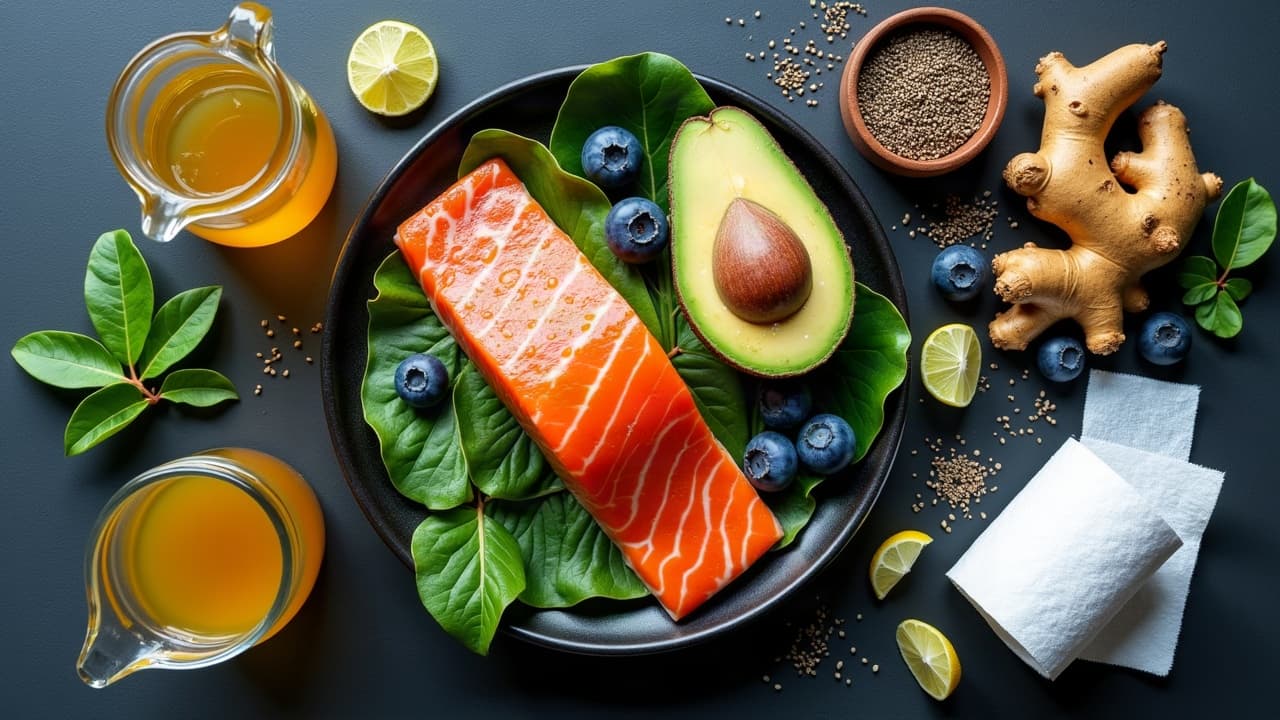
Your skin starts rebuilding within minutes of your appointment, and what you eat in the next few days directly affects how clean your ink settles. In simple terms, a solid tattoo healing diet provides the protein for new tissue, the vitamins that drive collagen, and the fluids that keep your barrier intact. Top-layer healing often takes 14-28 days for most clients, but deeper remodeling continues for weeks. The right foods can reduce cranky inflammation, support immune defense, and help your lines stay sharp while you handle the basics like gentle washing and a breathable ointment.
How Food Shapes Healing in the First 30 Days
Your body moves through three overlapping phases: inflammation, proliferation, and remodeling. Food choices touch each phase. Inflammation is not the enemy, it is the first responder. You want adequate protein and vitamin C during days 1-7 while keeping swelling manageable. During proliferation, fibroblasts lay down collagen, so amino acids, zinc, and carotenoids earn their keep. By the remodeling phase, consistent hydration and steady micronutrients help fine-tune the result. Remember the basics off-skin too. Good nutrition complements topical care, not replaces it. Keep using a thin layer of Aquaphor, Bepanthen, or Hustle Butter early on, and consider a breathable film like Saniderm if your artist recommends it (non-sponsored examples). If you’re training or outdoors a lot, pair this guide with our active aftercare playbook and our sun-sensitive skin tips.
Protein, Collagen, and Amino Acids: The Foundation
Your skin is protein-hungry during recovery. A practical target for most healthy adults is 1.2-1.6 g/kg body weight per day during the first 1-2 weeks. That is about 90-120 g for a 75 kg person. Protein provides glycine, proline, and lysine, which your body spins into new collagen. Collagen powders can help you meet totals, but they work best with vitamin C on board and a mixed protein intake from eggs, dairy, poultry, fish, legumes, and soy. Quick ways to hit the mark without overthinking:
- Greek yogurt with berries and chia, roughly 25 g protein, vitamin C, fiber, and omega-3 ALA.
- Two eggs plus 100 g smoked salmon on whole grain toast, about 35 g protein and omega-3s.
- Tofu stir fry with edamame and mixed vegetables, around 30 g protein and carotenoids.
- Cottage cheese, pineapple, and walnuts, about 28 g protein plus vitamin C and healthy fats.
- Lentil soup with olive oil and lemon, roughly 22 g protein and a vitamin C boost.
If you supplement collagen, pair 10-20 g with fruit or bell peppers to drive synthesis. Keep total calories steady, not slashed. Cutting hard during healing often backfires with fatigue and slower closure.
Micronutrients That Matter: Vitamin C, A, E, and Zinc
Several vitamins and minerals do heavy lifting in wound repair. Vitamin C supports collagen cross-linking and immune function. Citrus, strawberries, kiwi, bell peppers, and broccoli are easy sources. The NIH notes adult daily needs around 75-90 mg, with higher intakes common from food during healing Vitamin C, NIH ODS. Zinc assists in DNA synthesis and cellular repair. Shellfish, beef, pumpkin seeds, and chickpeas deliver it. The NIH lists 8-11 mg per day for most adults, and warns that very high supplements can interfere with copper absorption Zinc, NIH ODS. Vitamin A and vitamin E are also part of the picture. A from eggs, dairy, and orange vegetables helps with epithelialization. E from nuts and seeds supports membranes. Emphasize food sources and avoid megadoses unless your clinician advises otherwise.
- High C snack stack: orange, 1 cup strawberries, and a few bell pepper strips.
- Zinc combo: hummus with pumpkin seeds and whole grain pita.
- Vitamin A plate: roasted sweet potato and sautéed spinach with olive oil.
- Vitamin E add-on: a small handful of almonds or sunflower seeds.
For context on normal wound timelines and safe home care, see the American Academy of Dermatology’s guidance on wound care basics AAD public resource.
Omega-3 Fats: Calm Inflammation Without Blunting Healing
You want controlled, not runaway, inflammation. Omega-3s from salmon, sardines, mackerel, trout, walnuts, flax, and chia support a balanced response. A simple target is 2 servings of fatty fish per week plus plant sources most days. Use extra-virgin olive oil as your main cooking fat during the first month. If you take fish oil capsules, keep doses moderate and talk to your clinician if you are on blood thinners.
Hydration, Electrolytes, and Skin Barrier
Healing skin loses more water than intact skin, and dehydration tightens and itches. A practical daily goal is 2.7 L for women and 3.7 L for men from all beverages and foods, per Mayo Clinic’s hydration guidance Mayo Clinic, water needs. Bump fluids slightly on hot days or if you train. Add electrolytes if you are sweating hard, but avoid heavy sugar mixes. Milk, kefir, herbal teas, and water-rich produce like cucumbers and watermelon help keep your skin supple and your lymph moving. Hydration also supports your topical routine. Ointments trap water in the stratum corneum. That pairing, internal hydration and external occlusion, reduces flaking and itch in week one.
Smart Carbs, Fiber, and Steady Blood Sugar
High glycemic spikes can fan inflammation and slow clean closure, especially if you have insulin resistance. Anchor meals with fiber and protein. Choose oats, quinoa, brown rice, beans, lentils, whole grain breads, berries, and apples. Combine rice with beans, or fruit with yogurt, to steady your curve. If you live with diabetes or prediabetes, tighter control in the first month improves outcomes. Review your plan with your care team and keep an eye on your usual targets. For broader context on diabetes and skin healing risks, visit the CDC’s diabetes resources CDC diabetes portal.
What To Skip or Limit While Your Tattoo Heals
You do not need a perfect diet, just avoid the predictable troublemakers for a couple of weeks. Think of this as protecting your artist’s linework.
- Alcohol for the first 48-72 hours. It dehydrates and can impair early immune steps. Keep it very light for two weeks while skin closes Healthline, tattoo aftercare.
- Ultra-processed, high sugar foods. Big glucose spikes can amplify swelling and itching. Save candy and donuts for later.
- Very salty takeout when you are puffy. Excess sodium pulls water and can make tight areas feel tighter.
- Excess caffeine. Keep coffee near 1-2 cups daily if you are edgy, then return to normal once sleep is solid.
- Megadose supplements you do not need. Especially huge zinc or vitamin A without medical guidance.
- Smoking and vaping. Nicotine constricts blood flow. If you can pause for a few days, your skin will thank you.
On topicals, stick with a light layer and breathable coverage. If you are unsure which ointment to pick, these all perform well in shops I trust: Aquaphor, Bepanthen, Saniderm, Hustle Butter, Mad Rabbit (non-sponsored examples). For broader basics beyond food, Healthline’s overview is a solid refresher tattoo aftercare basics.
A Simple 3-Day Meal Map For Tattoo Recovery
Use this as a template, not a script. Portions scale to your size, activity, and hunger. Most can hit these targets for $10-18 per day with supermarket ingredients.
- Day 1, inflammation control: Breakfast Greek yogurt, strawberries, chia. Lunch salmon salad with olive oil and citrus. Snack hummus with bell peppers. Dinner lentil soup, whole grain bread, side spinach.
- Day 2, collagen support: Breakfast eggs, avocado, whole grain toast. Lunch chicken quinoa bowl with roasted sweet potato. Snack cottage cheese and pineapple. Dinner tofu stir fry with broccoli and cashews.
- Day 3, hydration focus: Breakfast overnight oats with kiwi and walnuts. Lunch tuna and white bean salad with lemon. Snack kefir and blueberries. Dinner turkey chili with brown rice and side salad.
Add-ons that play nicely with healing: citrus wedges with meals for vitamin C, a drizzle of extra-virgin olive oil on vegetables, and water or herbal tea within arm’s reach. Keep portions flexible. Undereating often shows up as fatigue, cranky skin, and slower flake-off.
Supplements: Helpful Backups, Not Main Characters
Food-first is the right move, then use supplements to fill a specific gap. Reasonable options in the first 2 weeks include collagen peptides (10-20 g daily), vitamin C if your diet is light on produce, and a basic multivitamin if you are in a deficit. Avoid high-dose zinc unless tested low, and be cautious mixing fish oil with anticoagulants. When in doubt, ask your clinician, especially if you have chronic conditions or you are pregnant. For general hydration and wound-healing context, Mayo Clinic’s guidance is reliable, and NIH ODS fact sheets clarify safe upper limits Mayo Clinic hydration, NIH ODS index.
Putting It Together With Your Aftercare Routine
Aim for steady protein every meal, colorful produce for vitamin C and carotenoids, plant-forward fats, and plenty of hydration. Keep alcohol on pause for 48-72 hours, salt modest, and sugar tame for two weeks. Keep your ointment layer thin, wash gently, and protect from the sun. If you are planning a training cycle or a beach trip, stack your calendar with this nutrition plan plus our focused guides on active recovery and sun-sensitive aftercare. For pro-level wound care tips, the AAD’s public resources are concise and worth bookmarking AAD wound care basics.
Dial in your nutrition window, then lock in a design worth caring for. Use AI for Tattoo to generate a custom piece and virtually try it on your placement before you meal-prep. Start in minutes with Create or preview it on skin with Try On.
Try AI for Tattoo Free