
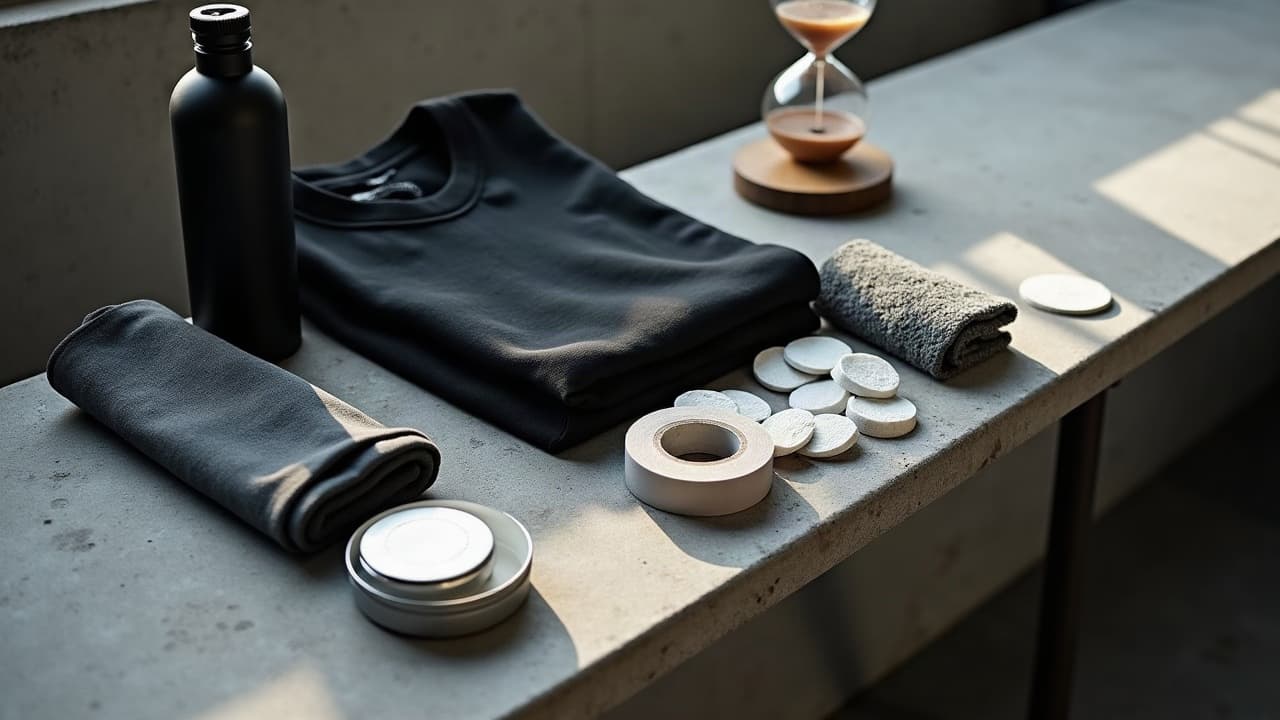
Sweat alone does not fade ink. The real threats are friction, bacteria, and soaking in the first 14 days, which is when most complications pop up. The U.S. FDA has documented tattoo-related infections from contaminated products, a reminder to treat those first weeks like sport-specific wound care FDA overview. Keep training, but train smart, so your tattoo heals flat and vibrant while you stay consistent.
The first 72 hours, sealing and sweat control
Your first priority is a clean, calm surface. Many artists apply a second-skin bandage for 24–72 hours. This breathable film shields against sweat and friction from clothing. If your artist used traditional wrap, you will gently wash the tattoo a few hours after the session and rewrap for the first night only, unless told otherwise. Always follow your artist’s instructions and verify adhesive tolerance if you have sensitive skin.
- Wash hands, then cleanse the tattoo with fragrance-free soap and lukewarm water, pat dry. Examples: Dial Gold, Cetaphil Gentle Skin Cleanser, Dr. Bronner’s Baby Unscented (non-sponsored examples).
- If using a film like Saniderm, Tegaderm, or Derm Shield, keep it on 24–48 hours unless you see leakage or irritation. Replace with a fresh sheet if needed (non-sponsored examples).
- Apply a thin layer of Aquaphor, Bepanthen, or Hustle Butter once the film is off and the skin is dry. Go thin, shiny not greasy, 2–3 times daily (non-sponsored examples).
- Avoid workouts that raise core temperature significantly in the first 48 hours. Gentle walking is fine. Skip hot yoga, sauna, steam room, and long sweaty cardio entirely.
Evidence-based aftercare aligns with wound basics, clean hands and mild soap, short showers instead of baths, and no picking. The American Academy of Dermatology echoes these fundamentals for new tattoos and general wound care AAD guidance. If you sweat under a film and it pools, change it. If you sweat onto an uncovered tattoo, rinse and pat dry immediately. For practical timelines by placement, see below.
Activity timeline by placement and size
Most athletes can resume light cardio by day 3, controlled strength work by day 4–7, and normal training as the surface peels and reseals by day 10–14. Placement, size, and sport type matter more than the calendar. Friction and stretch risk dictate the pace more than pain does.
- Small forearm or calf linework, low friction: Light cardio day 3, machine work day 4, controlled lifts day 5–7. Avoid compression sleeves touching the area until day 10–14.
- Shoulder, elbow crease, knee, or ankle, high-motion: Light cardio day 3–4, isolated training avoiding joint flexion day 5–7, sport return closer to day 14 when flaking has ended.
- Ribcage, inner arm, inner thigh, high-friction from clothing: Walking only until day 3, light machines day 4–6, gradual return by day 10–14 with loose, wicking layers to reduce rub.
- Large pieces or color packing with heavy trauma: Double the buffer. Light movement day 3–4, minimal sweat until day 5–7, protect aggressively. Most resume regular training after day 14–21.
For submersion and heat, the conservative rule is no soaking for at least 14 days and wait for skin to re-epithelialize fully before swimming. The Cleveland Clinic also emphasizes short showers, not baths, and watching for infection signs during this window Cleveland Clinic health library.
Sweat management tactics that actually work
You are not trying to eliminate sweat, you are trying to minimize moisture sitting on the tattoo and to avoid rubbing. Train earlier or later in the day, drop one intensity gear for a week, and set up quick cleanups. Small adjustments pay off in ink longevity.
- Session planning, train non-contact skills or unaffected body parts for 7–10 days. Shorten intervals or rest longer to keep sweat volume down.
- Layering, wear loose, wicking fabrics like Nike Dri-FIT or Under Armour HeatGear, and avoid cotton that holds sweat. Keep seams off the tattoo when possible (non-sponsored examples).
- Barrier help, on high-friction spots use silicone gel sheets or a thin non-stick pad under clothing for the first week, then transition to fabric only.
- Cooldown and rinse, finish with a cool-down and rinse the tattoo within 30 minutes. Pat dry with a clean microfiber towel, then a thin aftercare layer.
If you rely on straps or a belt that crosses fresh ink, change the workout so the gear never touches the area until day 10–14. Create micro-rests to towel off sweat before it accumulates. Small habits prevent maceration and scab lift.
Friction and gear, what to wear and what to avoid
Friction is the top tattoo killer for athletes. Compression and rough seams can lift a forming scab or polish pigment out when the surface is still delicate. Choose the softest path and remove pressure as much as possible in the first two weeks.
- For arms and legs, use UPF sleeves or loose arm warmers after peeling ends, like Outdoor Research ActiveIce sleeves, to reduce sun and rub during runs or rides (non-sponsored examples).
- For cycling and rowing, avoid fresh tattoos under shorts grippers or seat contact. Swap to upright bike or standing erg work. Reintroduce saddles after day 10–14.
- For lifting, keep belts, knee sleeves, and wrist wraps off fresh ink. If unavoidable later, ensure the scab phase has ended and the surface is smooth before light contact.
- Taping, skip kinesiology tape directly over a healing tattoo. Adhesives can rip fragile tissue. If you must tape near it, leave a 1–2 cm buffer and remove tape slowly after a shower.
- Laundry, wash gear immediately. Use fragrance-free detergent and avoid softeners that can leave films. Clean shared gear and mats with a disinfectant rated against Staph. See CDC gym hygiene basics CDC information.
Water, sun, and hot environments
No pools, lakes, hot tubs, or long baths for at least 14 days. Open water and shared tubs increase infection risk and can swell the skin enough to lift scabs. Sweat-heavy heat like sauna or hot yoga is also risky early. Once fully peeled and smooth, you can ease back in, but watch for extended redness or soft white pruney skin that signals overexposure.
Sun is a lifetime factor. Once healed, protect with a broad-spectrum SPF 30+ sunscreen and UPF clothing. The American Academy of Dermatology consistently recommends SPF 30 or higher for UV protection, which also protects tattoo vibrancy over time AAD sun protection. If you have sun-sensitive skin, we built a detailed playbook in our sun aftercare guide.
Nutrition, hydration, and sleep for faster recovery
Tattoos heal better when your basics are dialed. Aim for 7–9 hours of sleep, steady hydration, and protein at each meal. Many athletes do well targeting 1.6–2.2 g/kg protein, a range that supports tissue repair during training blocks and after skin trauma. Vitamin C, zinc, and a colorful plate of produce cover most needs without exotic supplements.
- Hydration, sip consistently. A simple target is pale-yellow urine and an extra 250–500 ml water around sessions in the first week.
- Alcohol and tobacco, both can slow healing. Keep alcohol low for 3–5 days post tattoo to reduce swelling and heat at the site.
- Anti-inflammatories, check with a clinician if you plan high-dose NSAIDs. They can affect bleeding and early healing. The Cleveland Clinic offers general guidance on safe OTC use Cleveland Clinic.
- General wound healing basics and infection signs are summarized well by Healthline, useful if you want a second reference on normal peeling and redness ranges Healthline overview.
Training modifications by sport and placement
Keep the tattoo out of contact zones, out of compressive paths, and out of excessive stretch while it flakes and reseals. Examples help. Use these swaps for 7–14 days, then progress as the surface smooths.
- Shoulder or upper arm tattoos, prefer lower-body days, sled pushes, step-ups, air bike legs only, unilateral machines. Skip snatches and deep overhead positions until day 10–14.
- Forearm or hand tattoos, run, cycle on the trainer hands-free, sled drags with straps around the waist. Light lower body strength with no wrist wraps until flaking ends.
- Ribs or side torso tattoos, prioritize machines with back support, split squats, walking, and breathing drills. Avoid twisting sports and grappling until the surface is flat and calm.
- Thigh or calf tattoos, rotate to upper-body machines, seated cable work, and core isometrics. Add cycling outside the saddle once you clear day 10–14 without scab lift.
When sweat meets scabs, your post-workout cleaning protocol
If sweat hits your healing tattoo, clean it soon. Rinse gently with cool water, then a pea-sized amount of fragrance-free soap, then pat dry. Do not rub. Apply a thin aftercare layer only if the surface feels tight or itchy. Keep it breathable, not slick. Repeat your normal wash 2–3 times daily during the first week.
- In your gym bag, pack a squeeze-bottle soap, sterile saline wipes, a clean microfiber towel, and non-stick pads for emergency friction relief.
- Products that play well, H2Ocean Blue Green Foam, Mad Rabbit Soothing Gel, Aquaphor, and Bepanthen are common picks. Test on a small area first if you have sensitive skin (non-sponsored examples).
- If you used Saniderm and sweat pools under it, replace it. Remove in a warm shower, wash, air dry, apply a fresh sheet, and monitor. Do not trap sweat for days.
- If you notice extended redness, heat, pus, or a foul odor, stop training and seek care. The FDA and AAD both note that infections and allergic reactions can occur, particularly with poor hygiene or contaminated products FDA AAD.
Red flags, infection risk, and return-to-play checkpoints
Most tattoos heal uneventfully. Red flags include increasing pain after day 3, spreading redness beyond 1–2 cm, fever, thick yellow discharge, or streaking. The CDC highlights gym-related skin infection risks like MRSA, which spread via shared equipment and poor hygiene, so clean your surfaces and cover broken skin when appropriate CDC on MRSA.
Return-to-play is simple. If the surface is matte, not shiny, and flake free, friction no longer lifts pigment easily. Progress load and contact slowly over 3–7 days. If you are unsure, compare your tattoo’s texture against the photos and timelines in our healing progress guide. And if your sport demands sun exposure, recheck our sun-sensitive skin aftercare for SPF 30+ tactics that keep color crisp.
Design around your training season. If you know a sleeve will rub under your belt or jersey, generate placement-aware mockups before you book. Use AI for Tattoo to create a design that avoids high-friction zones and try it on virtually to check seam and strap lines. Build your plan at Create and preview fit at Try On.
Try AI for Tattoo Free