
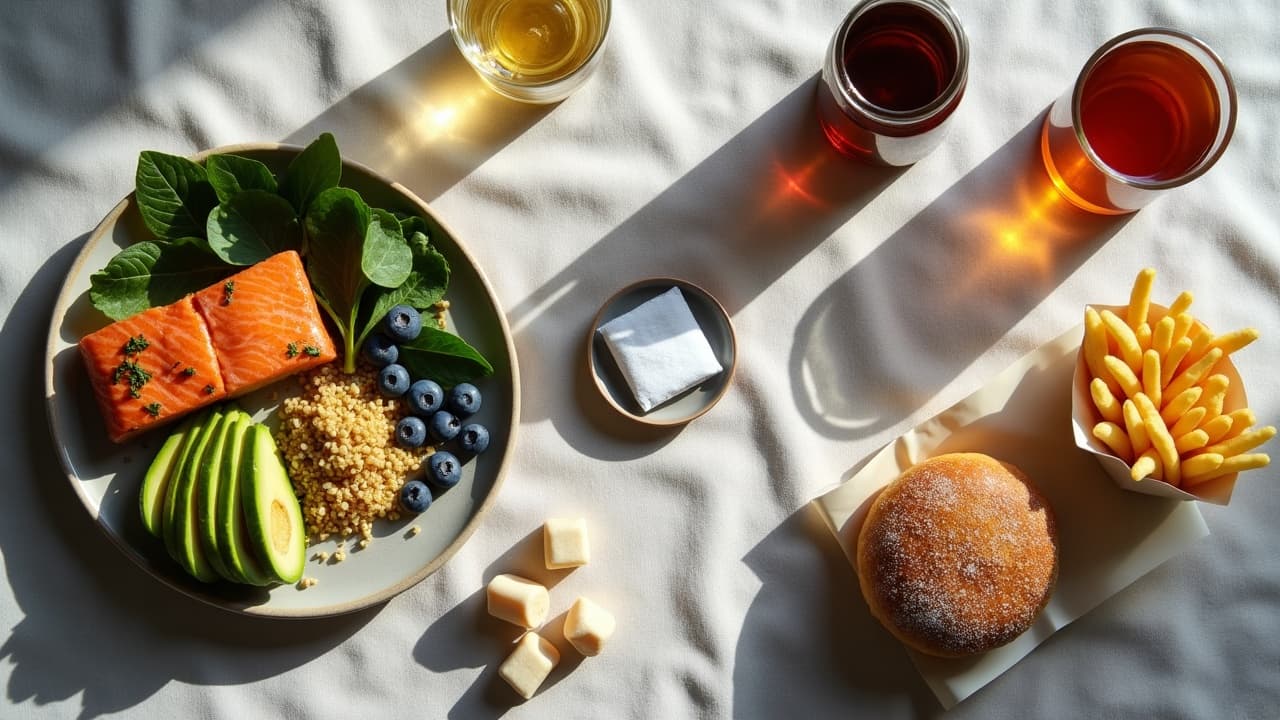
Here is the part most clients miss: your skin can do everything right topically and still struggle if your plate is off. A fresh tattoo is a controlled injury that needs calories, fluids, and raw materials for collagen. Nail your tattoo healing diet and your ink calms faster, scabs less, and holds color more evenly.
What Your Skin Needs To Heal a Tattoo
Healing rides on three pillars: enough protein for new tissue, micronutrients that power collagen and immunity, and steady hydration. Early on, the goal is to reduce excessive inflammation without stalling normal repair. The superficial layer usually closes in 7–14 days, with full settling over 4–6 weeks, according to American Academy of Dermatology guidance. During that window, think like an athlete in a short season: hit your targets daily, not perfectly forever.
- Protein target: aim for protein 1.2–1.6 g/kg body weight per day if you are healthy and active. Lean meats, eggs, Greek yogurt, tofu, and lentils make it easy.
- Vitamin C and zinc: collagen assembly relies on both. Try vitamin C 75–120 mg/day and zinc 8–11 mg/day from food before reaching for pills.
- Fats for calm skin: add omega-3 fats from salmon, sardines, walnuts, or chia to temper inflammation without shutting it down.
- Hydration and electrolytes: your lymph and skin need water. Set a baseline of hydration 2–3 L/day, more in heat or long sessions.
For science-backed nutrition basics that support wound repair, see Cleveland Clinic on foods that help wounds heal and the NIH Office of Dietary Supplements for micronutrient ranges.
Foods That Speed Recovery in Week 1
Keep it simple for the first week when the tattoo is most reactive. Build plates around lean protein, vitamin C rich produce, zinc sources, and anti inflammatory sides. This is also when appetite can dip after a long session, so plan easy wins.
- High protein anchors: rotisserie chicken, eggs, canned tuna, edamame, or skyr yogurt. They deliver complete amino acids for keratin and collagen.
- Vitamin C boosters: bell peppers, kiwi, strawberries, oranges, broccoli. A cup of peppers or strawberries gets you most of your vitamin C 75–120 mg/day.
- Zinc sources: beef, pumpkin seeds, chickpeas, oysters. Plant zinc absorbs better with vitamin C on the same plate.
- Omega 3 sides: salmon, sardines, canned mackerel, or a chia pudding. Two fish meals weekly supplies meaningful omega-3 fats.
- Soft, low crumb carbs: rice, potatoes, oats, whole grain wraps. They refuel without flaking into fresh bandages.
- Fluids that count: water, diluted fruit juice, herbal tea, or an oral rehydration mix if you got lightheaded.
Budget tip, a complete recovery plate lands around $6–$10/day if you batch cook. Set aside meal prep 30 minutes twice a week so you are not grabbing whatever is nearby.
Hydration, Sodium, and Why Your Skin Puffs
New ink swells from trauma. You cannot drink that away, but adequate fluids thin lymph and help your body clear normal byproducts. Start with hydration 2–3 L/day, sip steadily, and add electrolytes if you sweat or sit through long shading blocks. Avoid stacking dehydration and salt bloat at the same time.
- Keep sodium <2,300 mg per day in week 1. Restaurant soups, deli meats, and chips are the usual culprits.
- Hit potassium with potatoes, bananas, beans, and yogurt to balance fluids.
- If you love coffee, stick near caffeine <400 mg per day. Coffee is fine for most people when you also drink water.
- The US Dietary Guidelines define those sodium and added sugar caps. Use labels for a week so the numbers are real.
What To Limit or Avoid for Smoother Healing
You are not fragile, but some choices pick at the scab metaphorically. The goals here are steady blood flow, calm but functional inflammation, and less itch.
- Alcohol 0 drinks until the surface closes, ideally 7–14 days. Alcohol thins blood, dehydrates, and can impair immune function. See NIAAA on alcohol and healing.
- Added sugar <10% of calories. Big spikes may worsen inflammation and itch for some. Check cereals, sauces, and energy drinks.
- Ultra processed snacks: chips, fries, and bakery items combine salt, sugar, and low quality fats. Park them for two weeks.
- High histamine foods if you are itch prone: aged cheeses, cured meats, wine, and certain fish. Not everyone is sensitive, but if your tattoos always itch hard, try a low histamine week.
- Supplements that thin blood at high doses: vitamin E, fish oil, garlic, ginkgo. If you take them, discuss timing with a clinician first.
Remember that aftercare on the skin still matters. Light layers of Aquaphor, Bepanthen, or Hustle Butter under a breathable cover like Saniderm can reduce friction while you handle nutrition. Product examples are non sponsored: Aquaphor, Bepanthen, Saniderm, Hustle Butter, Mad Rabbit (non-sponsored examples). For topical technique specifics, see our soothing aftercare guide.
Smart Supplement Use, If Any
Food first works best. If appetite is low or you have dietary restrictions, targeted supplements can be useful for a short window, but more is not better. The NIH Office of Dietary Supplements maintains safety sheets on vitamin C, zinc, and others. Check those before buying anything strong.
- Vitamin C: food sources are usually enough. If supplementing, split modest doses with meals to reduce stomach upset.
- Zinc: short term support only. Overdoing zinc can deplete copper and upset digestion.
- Fish oil: small doses can support omega-3 fats, but high doses may thin blood. Space away from your appointment.
- Herbals: turmeric and ginger are fine in food. Concentrated capsules can interact with meds, so clear them with a professional.
A Simple 3 Day Tattoo-Healing Plate You Can Copy
You do not need a chef. You need repeatable meals that cover protein, color, and fluids. Batch cook proteins, wash produce, and pre portion snacks so decision fatigue does not push you toward salty takeout.
- Day 1: Breakfast skyr with berries and chia, lunch chicken rice bowl with peppers and broccoli, dinner salmon, potatoes, and a citrus salad. Snacks are kiwi and pumpkin seeds.
- Day 2: Breakfast veggie omelet with whole grain toast, lunch lentil soup with a side of oranges, dinner turkey tacos on corn tortillas with cabbage and salsa. Snacks are yogurt and walnuts.
- Day 3: Breakfast oatmeal with banana and peanut butter, lunch tuna wrap with mixed greens and bell peppers, dinner tofu stir fry with brown rice and snap peas. Snacks are strawberries and edamame.
If you lift or work a sweaty job, toss in an electrolyte mix and another snack. Keep fiber moderate so your gut stays comfortable while you are sleeping lightly on a new tattoo.
Timing Your Food Around the Appointment
What you eat before and after matters as much as what you eat. Your artist wants a steady client, not a fainter. A balanced pre session meal keeps blood sugar even and your pain tolerance steadier. During long sessions, sip and snack on low crumb foods that will not flake into wraps.
- Night before: hydrate and eat a normal dinner with protein and carbs. Avoid heavy drinking, keep it alcohol 0 drinks.
- 2 hours before: a real meal, like eggs and toast with fruit or a chicken and rice bowl. Skip new supplements today.
- During: water, diluted juice, or an electrolyte drink, plus soft snacks like bananas, yogurt pouches, or protein bars.
- After: a protein rich meal within 2 hours and another 2–3 L/day of fluids. Gentle walk, then rest.
Diet Meets Topical Care for Best Results
Diet handles the inside, ointment and bandage handle the outside. A breathable film like Saniderm for the first 24 to 72 hours, then thin layers of Aquaphor, Bepanthen, or Mad Rabbit as instructed, keeps friction down while you supply building blocks from food. For itch control and advanced troubleshooting, bookmark our tattoo itching relief techniques. If you are planning a large piece and want to coordinate recovery windows, read how to prepare for an artist consultation.
If you notice unusual redness, pus, or fever, follow your studio’s instructions and contact a healthcare professional. General skin care advice from Mayo Clinic and the American Academy of Dermatology can help you spot what is normal versus not.
Planning the next piece? Preview designs while you meal prep. Use AI for Tattoo to generate a custom concept and try it on virtually so you can schedule sessions around recovery and nutrition without guesswork.
Try AI for Tattoo Free