
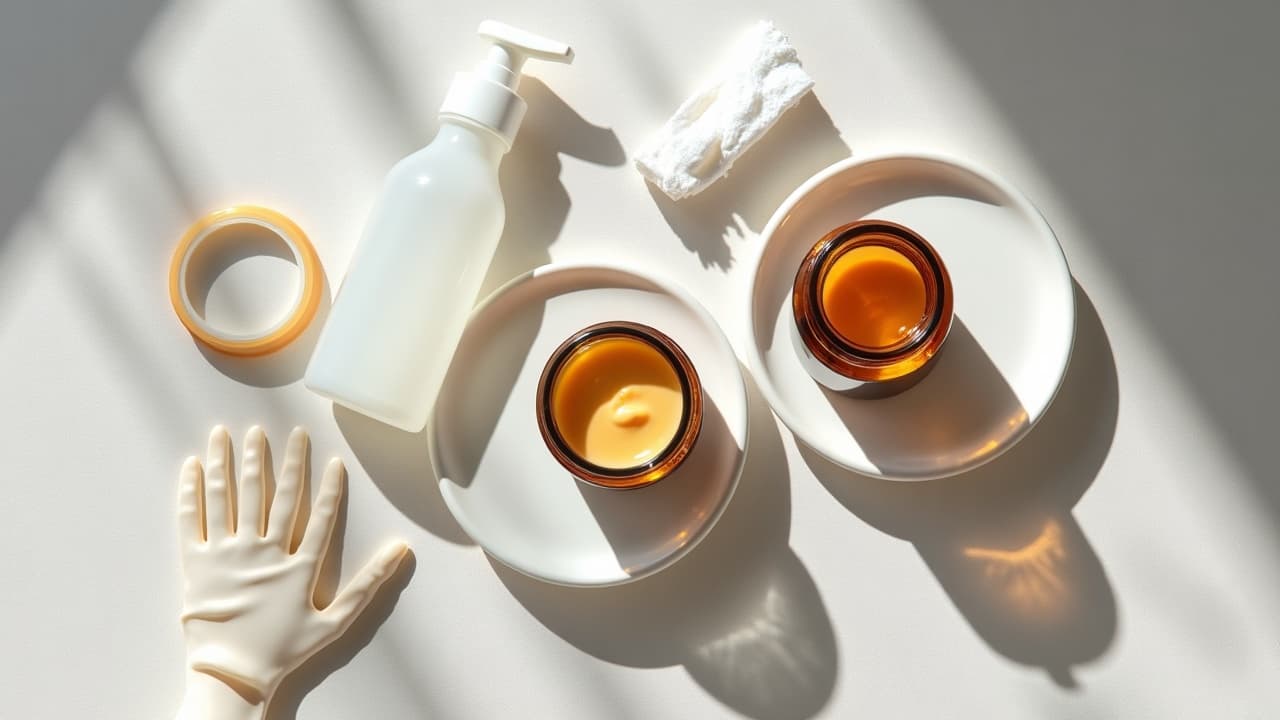
A fresh tattoo is a controlled wound, and like any wound, it follows a predictable arc. Most pieces settle in 2 to 4 weeks on the surface, while deeper layers remodel for up to 3 months, which is normal per clinical skin healing timelines. What trips people up is not the art, it is the first 7 days, when over-washing, skipping moisturizer, or trapping sweat under plastic can turn a clean heal into a scabby mess. You do not need a medical degree to keep your ink safe. You need clean hands, a light touch, and a plan. Below is the way working artists spot tattoo healing problems early and the exact moves we use to avoid them, backed by dermatology guidance from sources like the American Academy of Dermatology and Mayo Clinic, plus product picks that actually help.
What Normal Healing Looks Like, Day 1 to 30
Set your baseline first. Day 1 brings ooze of plasma and ink mix that can weep for 12 to 24 hours. Mild redness and warmth around the tattoo are expected, and tenderness usually rates 3 to 5 out of 10. By days 2 to 4, the area feels tight and slightly itchy. A thin, uniform micro-scab forms if you are air-drying, or a shiny film forms if you are using a second-skin bandage like Saniderm or DermShield (non-sponsored examples). The outer layer begins to peel around days 4 to 7, like a sunburn. Flakes should be light and even. Weeks 2 to 3, the surface looks dull or "milky." That is the silvering phase, not a sign the ink is fading. Deep healing continues even after the top looks closed. Keep moisturizing. Full vibrancy returns as skin turnover evens out by week 4 to 6. If you are not sure what to moisturize with, see our moisturizer guide for fragrance-free options that keep a healthy barrier without clogging pores, including Aquaphor, Bepanthen, Hustle Butter, and Mad Rabbit (non-sponsored examples).
Early Red Flags You Should Not Ignore
Most issues announce themselves in small ways before they escalate. Catch these signals early and you can usually correct course at home.
- Thick, dark scabs forming in uneven patches by day 3 to 5, often from over-drying or heavy-handed wiping during aftercare.
- Sticky, sour odor or yellow-green discharge after the first 24 hours, especially with spreading redness beyond a half inch around the tattoo.
- Heat you can feel without touching, throbbing pain jumping to 6 to 8 out of 10, or red streaks heading up a limb.
- Pinpoint blisters or hives with intense itch, most common over red or yellow pigment, suggesting a pigment allergy rather than infection.
- Shiny, tight skin that cracks when you move, a sign of over-drying or under-moisturizing the peel phase.
- Second-skin lifting at the edges with fluid trapped underneath for more than 48 hours, which can macerate skin and slow tattoo recovery.
Preventing Complications, From Day Zero to Week One
Your first 72 hours set the tone. Keep it simple. Wash gently, dry completely, moisturize thinly, and protect from friction. That is it. Skip home remedies, perfumes, and anything labeled "healing miracle." Evidence-based care from the AAD and Mayo Clinic emphasizes clean hands, mild soap, and breathable coverage to reduce bacterial load and support the skin barrier. Starter kit ideas, non-sponsored: Dove Sensitive Skin or Cetaphil Gentle Skin Cleanser for washing, Aquaphor or Bepanthen for the first 3 to 5 days in a rice-grain layer, then a switch to a lighter lotion like Lubriderm or Eucerin Advanced Repair. For bandaging, Saniderm or DermShield for 3 to 5 days, changed once if there is excess fluid. Numbing creams like TKTX are for pre-session use, not for aftercare. Technique matters more than product. Use cool to lukewarm water, no scrubbing, and pat dry with a clean paper towel. Apply a whisper-thin layer of ointment, just enough to take the chalky look away. If it shines like lip gloss, it is too much and can cause pore clogging and over-softening.
- Wash 2 to 3 times daily for the first 3 days, then once daily. Over-washing strips oils and delays healing.
- Change bed sheets and wear loose cotton. Friction plus sweat is a top cause of excess scabbing and blurred edges.
- If you use second-skin, seal edges well. If fluid bags up for more than 24 hours, remove, wash, and reapply a fresh piece.
- Avoid pools, hot tubs, lakes, and long baths for 2 weeks. Submersion swells skin and invites bacteria into open channels.
- Skip heavy workouts that bend or stretch the tattoo for 3 to 5 days, especially ribs, knees, or elbows. Movement cracks scabs.
Moisture Balance: Scabbing, Flaking, and the Sweet Spot
The most avoidable tattoo healing problems come from the moisture pendulum swinging too far. Too dry, you get brittle scabs that chunk off color. Too wet, skin macerates, pores clog, and you trap bacteria. Aim for thin, even layers of moisturizer, two to three times a day during the peel. If your tattoo looks shiny or feels greasy an hour after applying, blot gently with a clean tissue. If flakes are heavy and stick up like cornflakes, increase moisturizer frequency slightly, not the amount per application. Never pick, rub, or shave over scabs or flakes. Let them shed on their own. Picking can cause pits or take out ink, and shaving invites infection. If you need a lighter product in warm weather, switch from ointments to lotions, or use a balm like Hustle Butter sparingly. For product pros and cons, see our moisturizer breakdown.
Infection or Irritation: How to Tell and What to Do
Irritation reacts to friction, fragrance, or over-washing. It stays close to the tattoo, looks rashy, and eases when you simplify care. Infection behaves differently. It worsens quickly, spreads beyond the stencil, and comes with fever over 100.4 F, throbbing pain, or pus. The Cleveland Clinic and Healthline both note that healthy tattoos can look angry for a day or two, but systemic symptoms are not normal. If you suspect infection, act the same day. Switch to a very gentle, fragrance-free wash, stop occlusive ointments, and keep the area clean and dry. Seek a clinician if redness keeps spreading after 24 hours of careful home care or you develop fever or streaking. Early treatment with a prescription antibiotic can prevent deeper problems. For questions about ink safety, the U.S. Food and Drug Administration maintains current guidance on pigments and contamination alerts.
- Go now if you see red streaks extending from the tattoo, or lymph node swelling in the armpit or groin on the same side.
- Go now for fever above 100.4 F, chills, or nausea. Those are body-wide signs, not localized irritation.
- If pain spikes to 7 out of 10 after day 2, without new trauma, call your artist and a clinic to discuss next steps.
- If a second-skin smells sour or leaks thick fluid, remove it, wash gently, and do not reapply. Switch to open-air care.
Allergic Reactions and Pigment Sensitivities
True ink allergies are uncommon, but they happen. Reactions often target specific colors, with red pigment the most frequent culprit. Signs include intense itch, small blisters, or raised, hive-like plaques over certain colored areas while black linework looks fine. The American Academy of Dermatology notes that reactions can appear early or even months later, and may persist without medical care. First steps are simple. Stop heavy ointments, switch to a bland, fragrance-free moisturizer, and avoid sun on the area. If you see blisters or the itch is extreme, a clinician may recommend a topical steroid for short-term control. Patch testing is sometimes used when reactions recur. For a deeper primer on risk factors and real myths, see our allergy facts guide. If you have a history of keloids or hypertrophic scarring, flag it to your artist before booking. The Mayo Clinic cautions that people prone to keloids can raise from minor trauma, which includes tattooing. Placement and needle technique can be adjusted to reduce risk, but avoidance may be smartest for high-risk zones like chest and shoulders.
Lifestyle and Environment Pitfalls That Stall Healing
Your skin heals on a schedule, and your habits can shorten or stretch it. Nicotine constricts blood vessels, which slows tissue repair. Heavy drinking dehydrates you and inflames skin. Sweat and friction, especially under synthetic gym gear, macerate edges and fuel tattoo recovery issues that look like overworked ink. Shield your tattoo from sun the entire peel phase. UV not only hurts, it fades pigment faster. After it is fully closed, use SPF 30 to 50 on exposed work. If you are planning high-contrast color or very light tones, factor in your lifestyle and exposure, and read our design notes on color contrast techniques.
- Sleep at least 7 hours nightly the first week. Growth hormone and collagen repair peak during deep sleep.
- Drink an extra 0.5 to 1 liter of water daily. Hydrated skin flakes more evenly and itches less.
- Avoid tight waistbands, sports bras, or backpacks rubbing on fresh ink for 5 to 7 days. Friction lifts scabs.
- Delay saunas and hot yoga for 2 weeks. Heat and sweat overhydrate skin and expand pores.
- Keep pets off fresh bed sheets. Dander and micro-scratches are a hidden source of preventing tattoo complications failure.
When to Consult Your Artist, and When to See a Clinician
Your artist is your first line for normal course corrections. Message them with clear photos if you see uneven scabbing, excessive peeling, or confusion about second-skin timing. We can usually tell you to dial back washing, switch moisturizers, or come in for a quick check. If you are local, most shops will do a 10 minute look for free. See a clinician for any sign of systemic infection, rapidly spreading redness, blisters that persist, or if you live with conditions like diabetes that slow healing. Bring your aftercare products with you, and note when symptoms started. The earlier the intervention, the less likely you will need a touch-up later. Government and medical sources like the FDA, Cleveland Clinic, and AAD agree that prompt medical evaluation prevents complications from progressing.
Want to avoid healing drama by planning smarter from the start? Generate a design you will love long term, test sizing, and preview placement at home. Use AI for Tattoo to create your concept and try it on virtually so you only heal once, the right way.
Try AI for Tattoo Free