
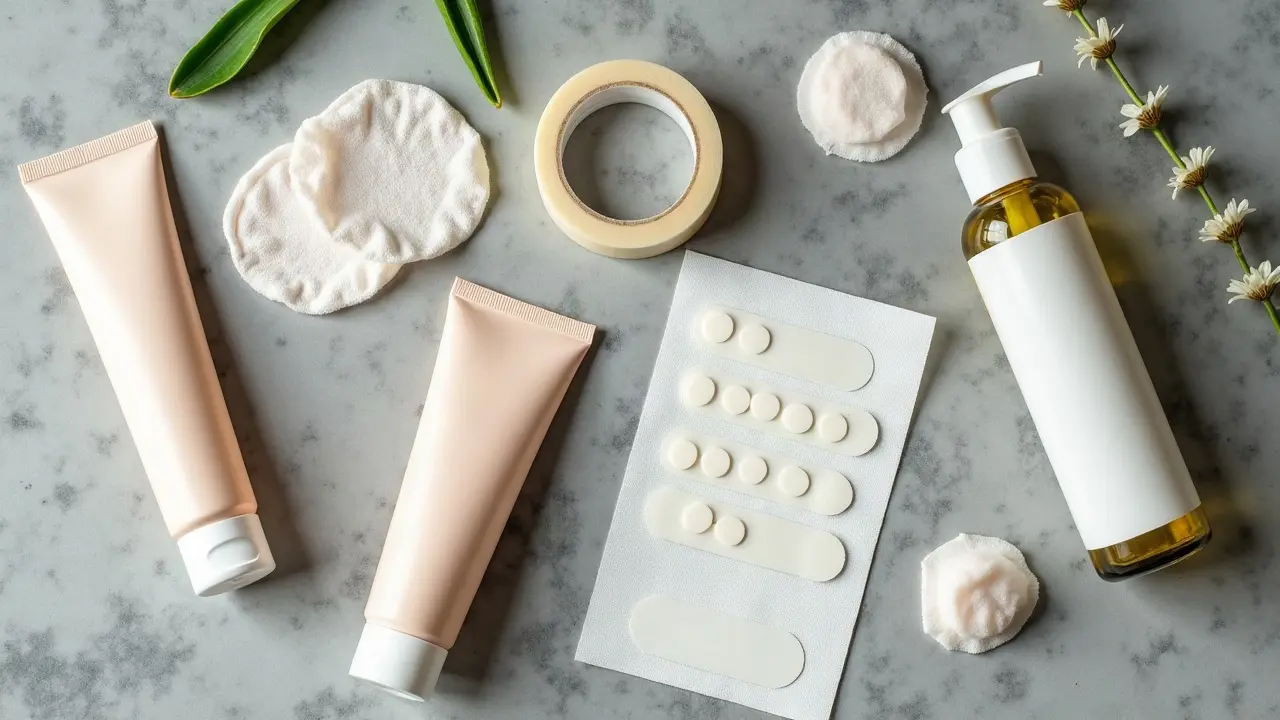
Most people with reactive skin heal tattoos normally when they choose low-irritant products, control moisture, and spot problems early. Your epidermis typically closes in 7–14 days, while deeper remodeling continues for 4–6 weeks. The goal for sensitive or allergic skin is to reduce triggers without starving the tattoo of moisture or protection.
Know Your Risk Profile Before You Book
Allergic contact dermatitis, nickel sensitivity, fragrance intolerance, and eczema histories raise the odds of a cranky heal. The American Academy of Dermatology notes nickel is a leading allergen, and fragrance mix allergies are common in contact dermatitis cases AAD. Pigment reactions and granulomas are also documented in peer-reviewed literature JAMA Dermatology. None of this forbids getting tattooed, it just means your aftercare should be dialed in with fewer variables.
- Make a concise allergy list, including nickel, fragrance, lanolin, neomycin, and topical anesthetics like lidocaine or benzocaine.
- If you have eczema, psoriasis, or hives history, tell your artist. Bring current meds, especially antihistamines or steroids.
- Request a patch test with the ointment or film bandage you plan to use. Apply to inner arm for 24–48 hours, then check for redness or itch.
- Red pigments can be higher risk for reactions on some clients. Discuss color plans early, and consider smaller test areas first.
- If you react to adhesives, note Tegaderm or Saniderm alternatives like sterile gauze and medical paper tape.
Pre-Session Choices That Calm Sensitive Skin
A few shop decisions reduce your exposure dramatically. Ask for latex-free gloves, fragrance-free stencil transfer, and a gentle prep soap. If you are sensitive to numbing agents, skip or patch test lidocaine creams. Health sites report contact allergies to these actives do occur Healthline.
- Confirm disposable razors and a mild prep like Hibiclens or diluted green soap, not perfumed washes.
- Ask your artist to avoid cologne or perfumed hand lotions during your session. Fragrance can irritate freshly abraded skin.
- If you use a numbing cream, apply the smallest effective amount and blot fully before wrapping. Note potential allergies to lidocaine or benzocaine.
- Bring your own aftercare if you have a known-safe product, for example Vanicream, CeraVe, or Cetaphil moisturizers (non-sponsored examples).
- Discuss bandage plan in advance, for example Saniderm application time and removal approach, or a dry-heal start with sterile gauze.
Day 0–3: Clean Start With Low-Irritant Wash and Wrap
Your first 72 hours set the tone. For sensitive or allergic skin, control bacteria and friction without suffocating the area. You can either use a breathable film bandage or a traditional open method. Both work when done correctly. The Cleveland Clinic outlines infection red flags to monitor early Cleveland Clinic.
- If using Saniderm/Tegaderm, apply on clean, dry skin at the shop. Keep the first film on 12–24 hours, then replace with a fresh piece up to 3–5 days if tolerated.
- Open method: remove the shop wrap after 2–4 hours, wash gently with lukewarm water and a fragrance-free cleanser like CeraVe Hydrating or Vanicream.
- Pat dry with a clean paper towel. Apply a rice-grain amount of ointment or lotion, spread until barely shiny. Over-occluding raises maceration risk.
- If plasma pools under film, vent at the edge in the shower, drain, then reseal with a new sterile piece to prevent moisture rash.
- Avoid hot tubs, heavy sweating, and tight clothing. Heat and friction are common irritation triggers in reactive skin.
Moisturizers That Behave on Sensitive Skin
Keep your routine simple. Choose fragrance-free, dye-free, and low-sensitizer formulas. Petrolatum and dimethicone are reliable occlusives for many, while shea or nut butters can be hit or miss if you have nut sensitivities.
Helpful picks include Aquaphor Healing Ointment, Bepanthen, Vanicream Moisturizing Cream, CeraVe Moisturizing Lotion, and thin tattoo balms like Hustle Butter or Mad Rabbit used sparingly (non-sponsored examples). Focus on texture and reactivity, not marketing.
- First 3–5 days: a thin film of petrolatum-based ointment if you tolerate it, then switch to a light fragrance-free lotion to avoid pore clogging.
- Apply 2–3 times daily. If skin looks glossy or soggy, scale back. If it looks dull and tight, add a bit more.
- Avoid topical antibiotics like neomycin or bacitracin unless prescribed. These are common sensitizers per dermatology guidance AAD.
- If balms tingle, burn, or stay red beyond 20–30 minutes, wash off and pivot to a plainer moisturizer.
- Store a travel tube, reapply after washing hands or getting caught in rain. Consistency beats heavy slathering.
Itch and Inflammation Control Without New Allergens
Itch peaks around days 3–7 as the epidermis tightens. Resist scratching, that is the quickest way to scuff the barrier. Work with low-risk tactics first, then consider short medical steps if needed.
- Use a cool compress for 5 minutes, then pat dry and re-moisturize. Repeat as needed through the day.
- Consider an oral non-drowsy antihistamine like cetirizine during the peak itch window, if your doctor says it is safe for you.
- Avoid new topicals when inflamed. Even good products can sting on compromised skin.
- Short, targeted low-potency corticosteroid use may help around edges only, but get clinician guidance first to protect ink.
- Clip nails and wear soft layers to bed. Nighttime scratching is common, especially on ankles, wrists, or ribs.
Irritation vs Allergy vs Infection: How To Tell
Sorting these early prevents scarring and pigment loss. Healthcare sources describe clear differences: allergy often itches sharply with spreading redness and tiny blisters, irritation burns and calms when you stop the trigger, infection escalates with heat, pus, and fever Cleveland Clinic Healthline.
- Likely irritation: burning or stinging after a new product, improves within 24–48 hours once discontinued.
- Likely allergy: intense itch, raised rash, or pinpoint vesicles that spread beyond the stencil, persists despite stopping products.
- Possible infection: worsening pain, spreading warmth, yellow or green pus, red streaks, or fever. Seek care quickly.
- Maceration: pale, soggy skin from over-occlusion under film. Vent, switch to lighter moisturizer, and give the area 12–24 hours to normalize.
- If in doubt, take clear photos daily. Trajectory helps your artist or clinician judge the trend.
Special Pigment and Sunlight Concerns
Some pigments cause more issues for sensitive clients. Reported problems include photoallergic reactions with white or yellow inks and delayed hypersensitivity with certain reds. The FDA advises awareness since tattoo inks are not approved for injection the same way drugs are FDA guidance on tattoo inks.
- If you have a known metal allergy, discuss testing and color choices. Nickel traces can appear in equipment or pigments.
- Delay sunscreen until the surface is intact, often 2–3 weeks. Then use a mineral sunscreen SPF 30+ with zinc oxide or titanium dioxide.
- Sun can trigger or worsen reactions in white or yellow areas. Cover with clothing or a breathable UPF sleeve during the first month.
- If a small test tattoo in red heals uneventfully, you can scale up. Keep the same aftercare routine and products to limit variables.
- Document pigment brands used. If you ever need patch testing, that information helps a dermatologist track the culprit.
When To See a Pro and What Treatment Looks Like
If redness keeps expanding, blisters appear, or pain spikes after day two, stop all non-essentials and get assessed. Dermatologists may use short courses of topical corticosteroids for allergic dermatitis, oral antibiotics for infection, or targeted therapies for granulomatous reactions. Mayo Clinic and AAD publish guidance on these conditions and when to escalate care Mayo Clinic AAD.
- Bring your product list and photos from days 1–7. Timeline plus ingredients speeds up diagnosis.
- Ask whether patch testing is appropriate if reactions are recurrent or severe.
- If removal is discussed, request a plan that balances reactivity risk. Some pigments react to laser; specialists can advise safer sequences.
- If prescribed meds, ask exactly when to resume moisturizer and whether to keep or remove any film bandage.
- Follow up within 48–72 hours if symptoms are not improving on the recommended plan.
Long-Term Care for Reactive Skin Tattoos
Once the surface is sealed, keep the barrier strong and the ink shaded. That means daily hydration, conservative actives, and boring, reliable sun care. Simplicity is your friend long term.
- Moisturize once or twice daily with fragrance-free, non-comedogenic lotions. CeraVe, Vanicream, and Cetaphil are steady options (non-sponsored examples).
- Use a mineral SPF 30+ on healed tattoos. Client favorites include EltaMD UV Clear or La Roche-Posay Anthelios Mineral (non-sponsored examples). Reapply every 2 hours outdoors.
- Introduce actives slowly. If you use retinoids or AHAs, keep them off the tattoo for 4–6 weeks, then patch test around the area first.
- Expect texture to normalize by month 2–3. If raised, itchy plaques persist, schedule a skin check to rule out delayed hypersensitivity.
- Keep records of what worked. Future pieces will heal even better when you repeat a proven routine.
Want more technical nuance about pigments and wraps for tricky skin types? See our detailed guide to tattoo aftercare for different inks and materials and prep smart with first tattoo safeguards and preparations. If you are still choosing between blackwork and color, review style compatibility fundamentals to match your skin tendencies to design choices.
Plan your design and placement before you commit ink to reactive skin. Generate linework or color variations with AI, then preview scale on your own body. Use AI for Tattoo to create a design you love and try it on at real-world sizes so your aftercare plan starts with the gentlest possible session.
Try AI for Tattoo Free