
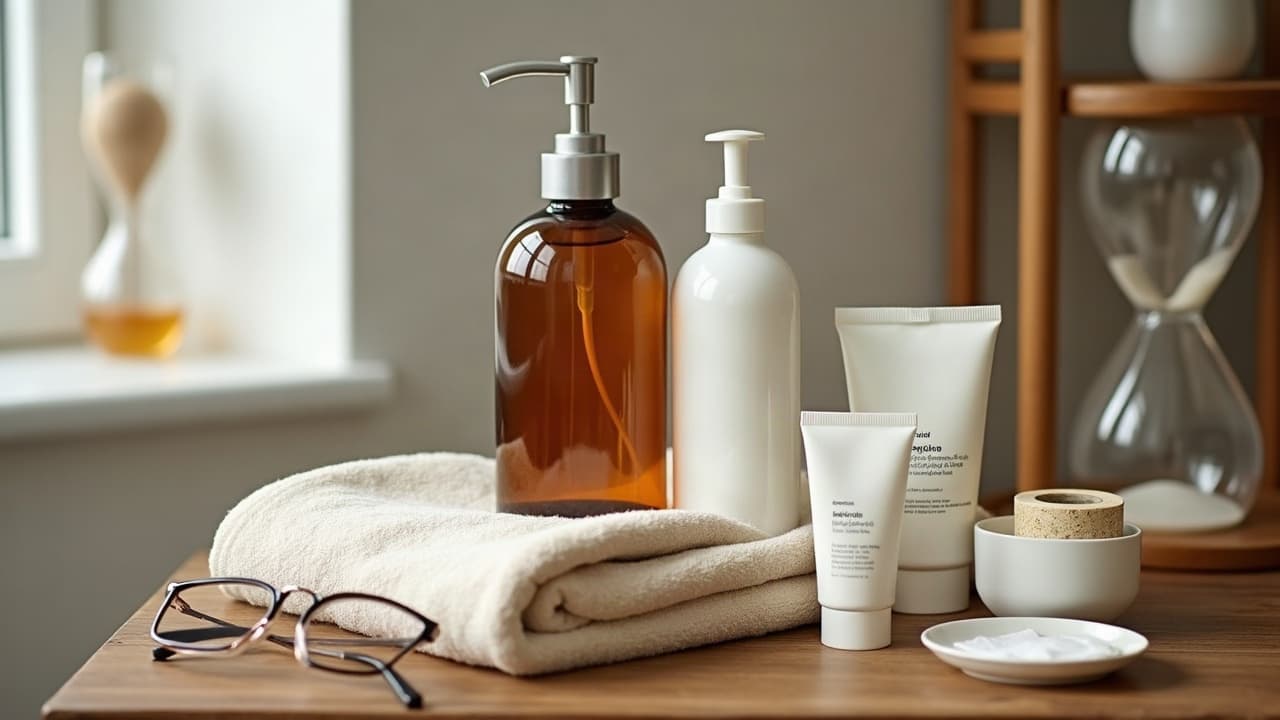
By your 50s, skin is typically thinner and drier, and blood flow is slower. That matters for tattoos. With the right tweaks, mature clients in my chair still heal cleanly, they just need a steadier, more protective routine and a little longer runway.
What Mature Skin Means For Tattoo Healing
Aging skin has less collagen, slower cell turnover, and reduced oil production, which can lengthen the healing window and raise the risk of dryness or irritation. The American Academy of Dermatology notes that aging skin becomes thinner and more fragile, which tracks with what artists see during aftercare AAD. Mayo Clinic guidance echoes that moisture retention and elasticity drop with age, impacting wound recovery Mayo Clinic. For tattoos, that translates to gentler cleansing, careful bandage use, and extra hydration support. Expect the top layer to settle in 3–4 weeks, with color and texture refining over 6–8 weeks, especially on the lower legs where circulation is slower. That is normal for mature skin, not a sign something went wrong.
Pre‑Session Checklist Tailored For Older Skin
A smooth heal starts before you sit down. Tuning your prep to older skin reduces swelling and speeds the calm parts of healing. Build this into your week before the appointment and the first 24 hours after.
- Hydrate early, aim for 2–3 liters of water per day for 48 hours before your session to support microcirculation and lymphatic flow.
- Prioritize protein, target 1.2–1.5 g/kg body weight daily the week of your appointment to give skin the amino acids it needs to rebuild.
- Moisturize the site daily for 3–5 days pre‑tattoo with a fragrance free lotion, then arrive with clean, product‑free skin.
- Avoid blood thinners for 24–48 hours if your doctor agrees. This includes aspirin and many NSAIDs. When in doubt, ask your prescriber first.
- Sleep well the night before, 7–8 hours lowers stress hormones that can spike inflammation and swelling.
- Plan clothing that is loose, soft, and breathable so fabric does not rub your fresh tattoo on the ride home.
If your appointment involves covering a scar or delicate area, review our practical notes in this scar cover guide. And if you manage eczema, psoriasis, or similar, see how to adjust your design briefs and care in our skin condition adaptation workflow.
Day 0 To Day 3: Bandage Strategy, First Wash, Swelling Control
Older skin can be more adhesive‑sensitive and bruise more easily. If your artist applies a transparent film like Saniderm or Tegaderm, keep it short and sweet, typically 24–48 hours for fragile skin, then remove under warm running water so the edges lift without tugging. The FDA reminds clients to follow artist instructions and use clean materials during aftercare U.S. FDA.
- First wash, within 2–6 hours if not using a film, or immediately after film removal. Use lukewarm water and a gentle, fragrance free cleanser.
- Cleansers that play nice, Cetaphil Gentle Skin Cleanser, Vanicream Gentle Facial Cleanser, or Dove Sensitive Skin bar, rinse thoroughly. Pat dry with a clean paper towel.
- Apply a thin layer of ointment twice daily for the first 48 hours, think a sheen not a glaze, to prevent dryness without suffocating the skin.
- Manage swelling, especially on forearms, hands, shins, and ankles. Elevate above heart level for 15–20 minutes a few times a day and avoid tight socks.
- For calf or ankle tattoos, consider light compression, 15–20 mmHg socks after the first 48 hours if swelling lingers, not during sleep.
If adhesives bother your skin, skip films and use sterile non‑stick pads held with soft gauze for the first night. Remove in the morning, wash gently, then switch to open air plus light ointment. If you are both mature and produce excess oil, cross‑reference techniques in our oily skin aftercare guide.
Days 4 To 14: Moisture Balance, Itch Control, Scab Care
This is the flaky stage. Mature skin tends to over‑dry, so your job is steady moisture without over‑occluding. Switch from ointment to a lightweight cream twice daily. Look for ceramides, hyaluronic acid, and glycerin. Avoid heavy fragrance, alcohol, and scrubs. Healthline’s overview of tattoo healing stages is useful context here Healthline.
- Moisturizer picks that behave well, CeraVe Daily Moisturizing Lotion, Vanicream Moisturizing Cream, Mad Rabbit Daily Lotion, apply a pea‑sized amount, rub in until it disappears (non-sponsored examples).
- Ointments for drier climates or very thin skin, Aquaphor, Bepanthen, or Hustle Butter, applied sparingly so pores can breathe (non-sponsored examples).
- Do not pick or scratch. Tap around the itch, use a cool pack wrapped in a cloth for 5–10 minutes, and keep fingernails away.
- If nighttime itch is brutal, some clients use an over‑the‑counter antihistamine like cetirizine, only if it does not conflict with your meds.
- Shower, do not soak. No baths, pools, hot tubs, or ocean until the top layer seals, typically 2–3 weeks for mature skin.
A few thin scabs or a light peel is normal. Thick scabs are a red flag for over‑dryness or too much friction. Adjust by moisturizing a bit more often and wearing looser fabrics over the area.
Weeks 3 To 8: Color Settle, Sun Rules, and Activity
By week three, the surface looks quiet but deeper layers are still remodeling. Keep UV off it entirely until your artist clears you. After that, treat sun like the enemy. Use SPF 50+, broad spectrum, reapplied every 2 hours outdoors. UPF sleeves or pants beat sunscreen for day‑long coverage. JAMA Dermatology has reported on photo‑aggravated reactions and delayed hypersensitivity to pigments, both reasons to be strict about protection JAMA Dermatology.
- Resume sweat training in stages. Light cardio at day 7–10 is often fine if friction is controlled, heavy lifts and long runs wait until 2–3 weeks.
- Resume swimming only after the peel is done and the skin is smooth, generally 3–4 weeks for mature skin, sometimes longer for shins and ankles.
- Moisturize once daily long term. Aging skin stays drier, so a simple nighttime lotion can keep lines from etching across fine line work.
If your placement depends on symmetry across joints or ribs, leveling and spacing matter as much as skin behavior. For layout strategy, skim our symmetry primer before you choose the final size.
Medications, Conditions, and When To Pause
Many older clients take medications that affect bleeding, inflammation, or immune response. Blood thinners, steroids, and some supplements can change how your skin behaves during and after a session. If you have diabetes, vascular disease, autoimmune conditions, or a history of slow‑healing wounds, flag it during your consult. Mayo Clinic and the AAD both note that these factors can lengthen recovery and increase infection risk, so adjust expectations and aftercare accordingly Mayo Clinic AAD.
- Blood thinners, warfarin, clopidogrel, aspirin, fish oil, and some herbals can raise bleeding and bruising. Only adjust meds with your prescriber’s approval.
- Steroids and immunosuppressants, oral or injected, can blunt inflammation and slow healing. Plan smaller sessions and longer gaps.
- Photosensitizers, doxycycline and many retinoids, increase sun sensitivity. Be extra strict with SPF 50+ and shade.
- Numbing creams, TKTX and lidocaine gels, can be fine for small areas, but test a dot first. Thin skin may react to vasoconstrictors.
If redness expands after 72 hours, pain spikes, there is a bad odor, or you see pus, call your artist and consider urgent care. The FDA and dermatology groups advise prompt evaluation for suspected infections or allergic reactions U.S. FDA AAD.
Products That Play Nice With Mature Skin
You do not need a shelf full of potions. Two cleansers, one ointment, and one lotion usually cover it. Expect $15–$40 total if you are buying fresh. Choose gentle textures and simple formulas to reduce irritation risk on older skin.
- Cleansers, Cetaphil Gentle Skin Cleanser, Vanicream Gentle Facial Cleanser, or Dove Sensitive Skin bar, all fragrance free and non‑foaming (non-sponsored examples).
- Ointments, Aquaphor Healing Ointment, Bepanthen, Hustle Butter, thin film twice daily for 48 hours, then as needed (non-sponsored examples).
- Lotions, CeraVe Daily Moisturizing Lotion, Vanicream Moisturizing Cream, Mad Rabbit Daily Lotion, light, quick‑absorbing, with ceramides or hyaluronic acid (non-sponsored examples).
- Dressings, Saniderm or Tegaderm for 24–48 hours max on fragile skin, then open air. Remove in a warm shower to prevent skin tears (non-sponsored examples).
- Barrier assist, a no‑sting barrier film like 3M Cavilon can help edges of dressings release more easily on thin skin (non-sponsored examples).
When scanning ingredients, skip strong fragrance, high alcohol content, and gritty exfoliants. If you have a history of adhesive reactions or pigment allergies, review patch‑test strategies with your artist. JAMA Dermatology has cataloged a range of tattoo‑related allergic reactions, which is why artists log pigment batches and encourage patch tests when needed JAMA Dermatology.
Placement and Size Tips That Heal Cleaner on Older Skin
Great tattoos meet the skin where it is. On mature clients, I often adjust scale, density, and placement to respect mobility, sun exposure, and swelling patterns. That makes aftercare easier and outcomes more predictable.
- Favor smoother zones, outer upper arm, lateral thigh, and upper back behave well. Ankles, shins, and hands swell more and can take longer to settle.
- Right‑size detail. Fine‑line microtext on crepe skin can blur faster. Up‑size strokes by 10–15% to preserve legibility over time.
- Break big projects into sessions, 2–3 hours each can be kinder to circulation and make aftercare simpler.
- Watch sun‑soaked areas. Forearms and calves see heavy UV, which ages ink. Budget extra time for SPF 50+ and clothing coverage.
Long‑Term Maintenance, Touchups, and When To Re‑Moisturize
Once healed, the rules are simple. Keep it clean, keep it moisturized, and keep it out of harsh sun. Dryness exaggerates texture and can make healed ink look dull. A pea of lotion at night is usually enough. If you live at altitude or in a desert climate, step that up in winter. Most pieces do not need a touchup if aftercare and sun care are tight. If linework looks fuzzy or color looks cloudy after 8–10 weeks, check in with your artist. True allergic reactions or infections are not common, but they do happen. Read general background on skin and tattoo safety from the FDA and AAD if you want extra depth U.S. FDA AAD.
Designs that respect your skin’s texture and movement heal better. Use AI for Tattoo to build age‑smart layouts and try them on your actual body. Start a concept in Create and preview placements with Try‑On before you book.
Try AI for Tattoo Free