
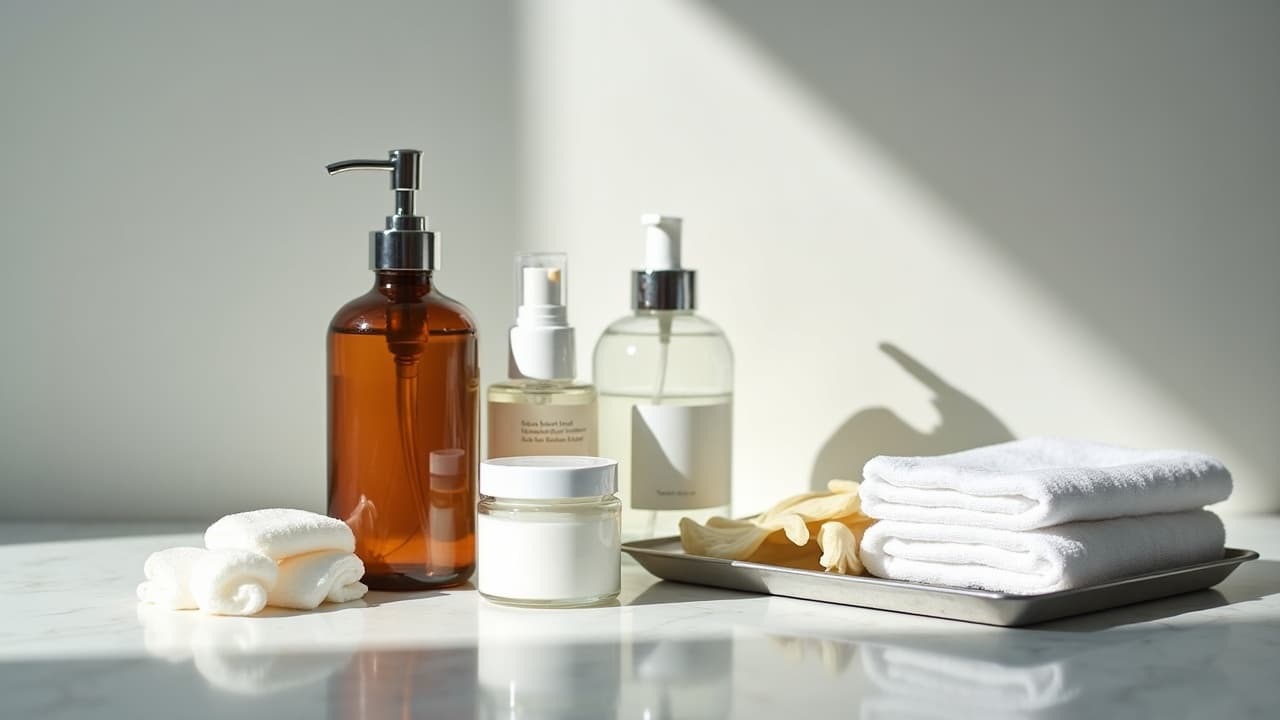
Most tattoo infections trace back to avoidable hygiene gaps in the first 72 hours. Your new piece is not just ink, it is a controlled abrasion that needs clean handling, light moisture, and protection from bacteria while your skin rebuilds its barrier. When the basics are dialed in, color holds better, lines stay crisp, and healing stays on the quick side of 2–4 weeks.
What Hygiene Means After a Tattoo
A fresh tattoo is an open wound until the surface seals. Hygiene here means reducing bacterial load, preventing excess friction, and keeping the skin lightly moisturized so the barrier repair phase can work. The goal is calm, steady healing, not smothering it in ointment or over-washing. Most professional studios follow similar principles that mirror general wound care guidance from sources like the Mayo Clinic and Cleveland Clinic.
Expect three phases: weeping and tenderness in the first 24–72 hours, light peeling from days 3–10, then matte dryness until the epidermis smooths out by week 3–4. Good hygiene keeps each phase uneventful. If you are using a medical adhesive film, your steps shift a bit but the core idea stays the same, clean hands before touching, keep it breathable, avoid contamination.
Day 0 to Day 3: Clean Hands, First Wash, and Bandage Timing
Your artist will bandage you with either a sterile pad or a transparent film dressing. Follow their timing, usually remove a pad within 2–8 hours, or keep a film on for 24 hours unless it floods with plasma. The very first wash is when most people either scrub too hard or baby it too much. Get it right once, then repeat gently.
- Wash your hands for 20 seconds with a plain, fragrance free soap before you touch the tattoo. No hand sanitizer directly on the tattoo.
- Rinse the area with lukewarm water. Let water run over it, do not blast it. Avoid hot water that can open capillaries and increase weeping.
- Use a small amount of fragrance free liquid soap. Work up a light lather with fingertips only. Skip washcloths, loofahs, and exfoliants.
- Rinse clean, then pat dry with a fresh paper towel or air dry. No rubbing with bath towels, fibers can stick and harbor bacteria.
- Apply a thin layer of ointment as directed for the first day or two, think sheen, not shine. If you used a film bandage, reapply a new piece if advised by your artist.
Good soap options are gentle and unscented. Use products labeled fragrance free and dye free. Skip anything with exfoliating acids for now. If your skin stings beyond the normal first-day tingle, switch soaps and shorten contact time.
Ointments, Films, and Lotions: Use This, Skip That
Early on, you are balancing moisture and breathability. Thick occlusion traps heat and sweat, too little moisture cracks the surface and lifts pigment. A common approach is a light ointment for 24–72 hours, then switch to a lotion until flaking ends.
- For day 1–2, a small amount of Aquaphor, Bepanthen, or a tattoo balm works. After the weeping slows, transition to a fragrance free lotion. Products like Hustle Butter or Mad Rabbit are popular. (non-sponsored examples)
- If your artist used Saniderm or similar film, change it with clean hands when it fills or at the instructed interval, then move to lotion after removal.
- Avoid petroleum-heavy layers beyond the first couple days, they can over-occlude and soften scabs. Skip antibiotic ointments like neomycin, they are common irritants.
- Use a pea sized amount per small area. Too much product can cause pimples or cloudy, soggy skin that heals slower.
Adhesive films are great for people who cannot wash easily while traveling or working, but they still demand clean changes. If you notice trapped fluid, peeling edges, or heat buildup, remove the film, wash gently, and continue with standard aftercare.
Shower Habits, Laundry, and Linens Matter
Showers are fine on day one, soaking is not. Keep it quick and lukewarm. Think about everything that touches the tattoo, your towel, clothing, and sheets. Clean fabrics lower the bacterial burden more than any expensive product.
- Take 5 minute showers with lukewarm water for the first week. Turn your back to the spray to reduce pressure on the tattoo.
- Avoid baths, pools, hot tubs, lakes, and the ocean for at least 2 weeks or until the skin fully peels and seals.
- Swap to a fresh towel every shower and a clean pillowcase nightly for the first 3–5 days. Wear loose, breathable cotton over fresh tattoos.
- Do not use loofahs or exfoliating gloves. They collect microbes and shred healing skin.
- If clothing sticks, soak it off with cool water. Do not rip fabric from the tattoo.
This laundry discipline sounds boring, but it is the simplest way to prevent contamination. If you sweat heavily at night, consider a thin layer of clean cotton between the tattoo and bedding to keep fibers from adhering.
Outside the Studio: Gyms, Pets, Work, and Travel
Gyms, transit, and pet hair are the places I see hygiene slip-ups. In the first 5–7 days, limit high friction and high contact environments. You can still move and work, you just need barriers and wipes. Sun is another silent stressor, even through windows.
- At the gym, clean equipment contact points with wipes, then cover the tattoo with loose, breathable layers. Short sessions with lower sweat output are better in week one.
- Keep pets off fresh bedsheets. Avoid holding animals against a new tattoo. Pet dander and claws are common sources of contamination and scratches.
- Travel with a small aftercare kit: mini soap, paper towels, lotion, and a backup film or dressing if recommended by your artist.
- Avoid direct sun. After the surface heals, switch to broad spectrum SPF 30+ daily on exposed tattoos to reduce fade and irritation, a recommendation echoed by the American Academy of Dermatology.
Red Flags vs Normal Healing
Normal: mild redness around the tattoo, clear plasma weeping for 24–48 hours, light swelling, and itch by day three. A thin, translucent peel is standard. The area may feel tight, with a 2–4 out of 10 tenderness that eases daily.
- Concerning signs: spreading redness beyond the tattoo, heat that persists, yellow or green pus, foul odor, streaking, or fever. Seek medical evaluation, do not self start antibiotics.
- If you suspect infection, clean once, keep it dry, and contact a clinician. For general context on symptoms and treatment, see the Cleveland Clinic’s resources and the CDC’s skin infection guidance.
Allergic contact dermatitis is a different problem than infection. It looks like a bumpy, itchy rash or hives, often in the shape of the tattoo or exactly where a product touched. If that develops, stop the suspect product and get evaluated. The FDA’s consumer information on tattoos and permanent makeup and the AAD both note rare but real pigment and product reactions.
Allergies and Sensitive Skin Considerations
If you have eczema, fragrance sensitivity, or a history of lanolin or neomycin allergy, set your products before the appointment. Keep it fragrance free, dye free, and minimal. Consider a patch test of any new lotion on a non-tattooed area 48 hours ahead.
- Common irritants to avoid: fragrance, lanolin, neomycin, and benzalkonium chloride. Simpler formulas are safer in week one.
- If you are prone to rashes, read our focused guide on tattoo aftercare for sensitive skin for product swaps and timing tweaks.
- Unusual itching, bumps, or delayed redness can signal allergy. Our tattoo allergy identification guide explains when to stop a product and what to ask your provider.
Keep expectations realistic. Even perfect hygiene cannot override individual biology. Some scabbing is normal, heavy scabs or bleeding cracks are not. When in doubt, scale back frequency of washing and product, then reassess within 24 hours.
A Simple Daily Tattoo Care Routine You Can Stick To
Consistency beats intensity. You are aiming for quick, quiet, repeatable steps. This is the routine I give most clients for the first 10–14 days, then taper to sunscreen and normal moisturizing.
- Morning: wash hands, quick 10–20 second lukewarm rinse with a small amount of soap, pat dry, then a pea sized amount of lotion. Let it absorb before dressing.
- Midday: if sweaty or dirty from work, rinse and pat dry, then a thin layer of lotion. If not, do nothing. Over-washing can irritate.
- Evening: gentle wash and pat dry. Apply lotion. If the tattoo is near clothing seams, consider a clean, soft layer overnight to prevent rubbing.
- As it peels, do not pick. For itch control, chill the area with a cold pack wrapped in cloth or use products from our itch relief comparison guide.
- After peeling ends, moisturize daily and start SPF 30+ on any exposed areas. Long term sun care prevents fading and irritation, a point emphasized by the AAD.
If your schedule is chaotic, set alarms for the first few days. The entire wash and moisturize sequence should take 3–5 minutes. If something stings sharply or looks worse after a product, remove it from the lineup and reassess.
Why Clean Technique Protects Your Ink Investment
Hygiene is not just about avoiding worst case scenarios. It preserves line crispness, keeps color where it belongs, and usually shaves several days off healing compared to over-treated or contaminated tattoos. Clean hands, clean fabrics, and light moisture do more than any miracle cream. General principles match medical wound care basics discussed by the Mayo Clinic and public health guidance from the CDC.
If you are a heavy sweater, work outdoors, or manage chronic skin conditions, ask your artist to tailor the plan. Small changes, like a temporary breathable film or extra midday rinse, can keep your routine realistic and hygienic without overhandling the area.
Ready to care for a tattoo you’ll be proud to show off? Generate a design you actually want to protect, then preview placement before day one. Use AI for Tattoo to create custom art in minutes, then try it on to see hygiene-friendly placements that avoid high-friction zones.
Try AI for Tattoo Free