
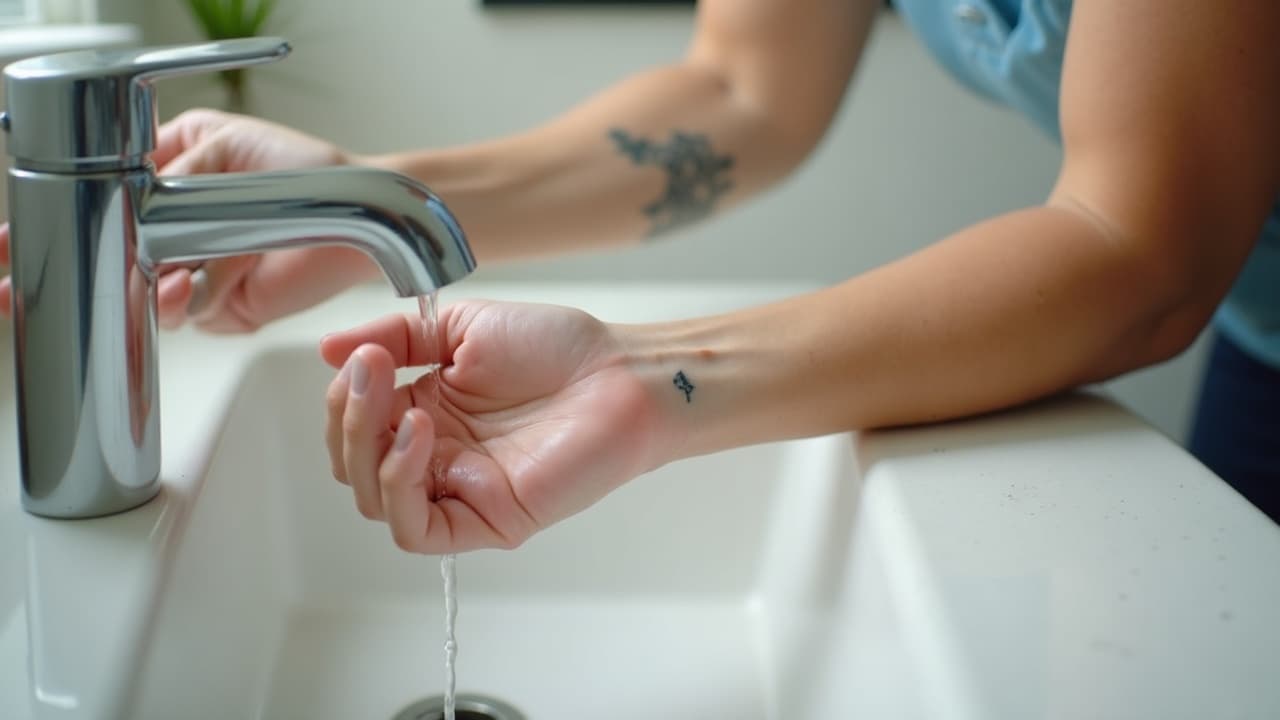
Fresh ink does not need aggressive products to heal. For sensitive skin, a simple plan during the first 72 hours prevents most burning, stinging, and rashy edges. Your barrier is already stressed, so the less you do, the better you heal. Backed by dermatologist guidance and studio-tested technique, here is a calm, precise routine that keeps irritation low while color sets clean.
Why sensitive skin flares after tattooing
Tattooing creates thousands of controlled punctures, which briefly spike histamine and disrupt your acid mantle. If you already react to fragrance, wool alcohols, or adhesives, your odds of redness and itching are higher in the first 48–72 hours. The goal is to reduce triggers while keeping the wound clean and slightly moist, not smothered. The American Academy of Dermatology notes that irritant and allergic contact dermatitis are common from fragrances and preservatives, not from the ink itself, which is why a fragrance-free plan is protective for most people. See the American Academy of Dermatology guidance for contact dermatitis basics and avoidance strategies.
Normal sensitive-skin healing shows pink halos, mild swelling, and tightness. What you want to avoid is spreading warmth, thick honey-yellow drainage, or blistery edges under adhesive. If your skin has reacted to medical tapes before, plan for shorter wear times and extra gentle removal from day one. Cleveland Clinic’s wound care advice also emphasizes mild soap, lukewarm water, and hands-only washing for clean healing, see Cleveland Clinic tattoo and skin care guidance.
First 24 hours, low‑irritation game plan
Your artist may finish with a breathable film or a soft dressing. For sensitive skin, either can work if you control wear time and removal technique. If you feel heat or prickling under a film in the first 2–6 hours, swap to sterile gauze and tape sparingly. Keep it boring, keep it clean.
- Leave the studio wrap on as instructed, typically 2–12 hours. If prickling or heat builds, change it earlier using clean hands.
- To rewrap, rinse with lukewarm water, pat dry with lint-free towels, then cover with nonstick sterile gauze and minimal hypoallergenic paper tape.
- Skip alcohol wipes and peroxide. They spike sting on sensitive skin and can slow re-epithelialization by 24–48 hours.
- If you tolerate films, limit the first film to 12–24 hours instead of multiday wear. Reassess the skin before applying a fresh piece.
- Sleep in a clean, soft cotton shirt or pants to minimize friction and wick sweat. Avoid compression or elastic over the tattoo the first night.
Gentle wash protocol that prevents stinging
Wash with fingertips only, twice daily for the first week. Use fragrance-free, dye-free cleansers in lukewarm water, then pat dry. Aim for products with minimal surfactants and no essential oils. Health systems emphasize mild soap and water as the core of wound hygiene, which fits sensitive skin well. See Cleveland Clinic’s general aftercare advice for soap and water guidance.
- Good sensitive-skin cleansers: Vanicream Gentle Facial Cleanser, Cetaphil Gentle Skin Cleanser, CeraVe Hydrating Cleanser (non-sponsored examples).
- Technique: wet skin, lather in hands, glide over the tattoo for 10–15 seconds, then rinse. Do not scrub, do not use washcloths or loofahs.
- Temperature: keep it lukewarm. Hot water increases vasodilation and sting, which equals more redness for sensitive skin.
- Drying: press with a clean, lint-free towel or paper towel for 10–20 seconds. No rubbing. Let it air for another 5 minutes before moisturizing.
Moisturizing, layer by layer, for reactive skin
The sweet spot is a very thin, breathable layer that prevents cracking without occluding. Start with ointment-thin coverage for days 1–3, then switch to a bland cream once the skin no longer feels tacky after washing. For known lanolin or fragrance sensitivities, skip products with wool alcohols or perfume.
- Ointment phase (days 1–3): plain petroleum jelly, Aquaphor Healing Ointment (contains lanolin), Bepanthen in some regions (dexpanthenol) (non-sponsored examples). Use a rice-grain amount for a palm-sized area.
- Cream phase (days 3–14): Vanicream Moisturizing Cream, CeraVe Moisturizing Cream, Eucerin Advanced Repair (non-sponsored examples). Thin film, 2–3 times daily.
- Skip “natural” balms if you are reactive. Essential oils, cocoa butter, and coconut oil can be potent sensitizers despite sounding gentle.
- If your skin is acne-prone, prefer noncomedogenic creams over heavy ointments after day 3 to reduce folliculitis risk.
Tattoo-specific but sensitive-skin tricky products: Hustle Butter and Mad Rabbit smell great and glide well, yet they often include nut butters or botanicals that can flare a reactive barrier. If you love them, patch test away from the tattoo first. Use them only after the top layer closes, typically around day 4–7, and only if your skin is calm. The AAD highlights fragrance and botanical allergens as frequent culprits, see the AAD’s resource hub.
Second‑skin films and hypoallergenic dressings, used smartly
Second-skin films can reduce friction and contamination, but acrylate adhesives are a top cause of tape dermatitis. If you react to typical bandage glue, shorter wear and careful edges save you a lot of grief. JAMA Dermatology has documented contact dermatitis from medical adhesives, so test before long wear. See JAMA Dermatology for adhesive reactions in clinical settings.
- Try a 1 x 2 inch test strip of Saniderm, Tegaderm, or SecondSkin on the opposite forearm for 24 hours first (non-sponsored examples). Watch for itch, heat, or hives.
- If you use a film, round the corners, apply to dry skin, and leave 2–3 mm of margin from the tattoo to reduce edge shear.
- For intolerant skin, use nonstick pads and 3M Micropore paper tape. Replace daily. This setup is gentler than films for many.
- Remove films under warm water, rolling the edge back on itself at low angle to spare epidermis. Do not rip upward.
- If adhesive itch starts, stop using the film. Clean, switch to gauze, and moisturize lightly. Persisting welts merit a clinic check.
Safe ways to handle itch without damage
Itch usually peaks days 3–7. Sensitive skin often rates that itch a 6–7/10 rather than a 3–4/10. Your job is to blunt the urge to scratch while keeping the barrier relaxed. Our detailed primer on itch control covers more options, see our itching relief guide.
- Moisturize thinly after every wash. Dry flake edges itch more than any other stage.
- Cool compresses: a clean gel pack wrapped in cotton for 5 minutes calms vasodilation without soaking the tattoo.
- Hands-busy trick: tap or gently pat around the area rather than scratching on top. Keep nails trimmed.
- Oral antihistamines like cetirizine at night may help generalized itch. Ask a clinician if you take other meds. Avoid drowsy options before driving.
- Avoid topical steroids on an open tattoo. If the surface is closed (day 4–7) and itch is extreme, ask a clinician about low-dose 0.5–1% hydrocortisone briefly around, not on, the open wound.
Avoid numbing creams during healing. Pre-session, sensitive folks sometimes patch test TKTX or other lidocaine creams on normal skin at least 48 hours ahead. The FDA cautions about improper use of topical anesthetics because of systemic absorption risks, especially under occlusion, see the FDA on topical anesthetics safety.
Patch testing and ingredient red flags
One quiet win for sensitive skin is patch testing new products before they touch your tattoo. Apply a pea-size amount on inner forearm for 24 hours, then check at 48 hours for delayed reactions. Redness that outlines the application zone, tight shiny skin, or micro-blisters are stop signs. Switch to a simpler, fragrance-free pick.
- Common irritants to avoid: fragrance mix, lanolin/wool alcohols, essential oils, methylisothiazolinone, propyl-paraben, neomycin, bacitracin, benzalkonium chloride, propylene glycol, and drying alcohols.
- Ink allergy is rare, but adhesive and aftercare allergies are common. The AAD and Cleveland Clinic both highlight fragrance and preservative sensitivity as top drivers, see AAD and Cleveland Clinic.
- If you react to one ointment, do not leap to antibiotic ointments. These are frequent allergens and are not needed for routine tattoo healing.
Red flags vs normal healing, when to get help
Pink glow, pinpoint bleeding on day one, and light weeping are all normal. What is not normal is worsening pain after day 2, fever over 38°C/100.4°F, thick green-yellow discharge, or rapidly expanding redness beyond 2 inches. If that appears, contact your artist and a medical professional. For a clear checklist and photos, read our infection signs guide.
- Allergic contact signs: blistery or hive-like patches under adhesive, burning within minutes to hours, or intense itch that worsens under occlusion.
- Irritant signs: stinging during wash that gets worse daily, chapped cracks, or shiny tight skin from over-occlusion or over-washing.
- Normal timeline: sensitivity eases day 3, itch climbs days 3–7, flaking days 4–10, then a papery sheen for 2–4 weeks as dermis remodels.
If you are a high reactor, give your artist context before the session. Ask for shorter first film wear, a fragrance-free soap recommendation, and a sample to patch test. The combination of fragrance-free cleanser, thin moisturizer, and gentle dressings reliably cuts irritation for most sensitive clients. For medical concerns, the AAD and major hospital systems offer general wound-care baselines that align with this minimal plan. See the American Academy of Dermatology and Cleveland Clinic.
Ready to plan aftercare around a design that fits your skin and lifestyle? Generate a custom tattoo with AI, then preview sizing and placement on your body before booking. Use AI for Tattoo Create to build options, and test placements instantly with our virtual try-on.
Try AI for Tattoo Free