
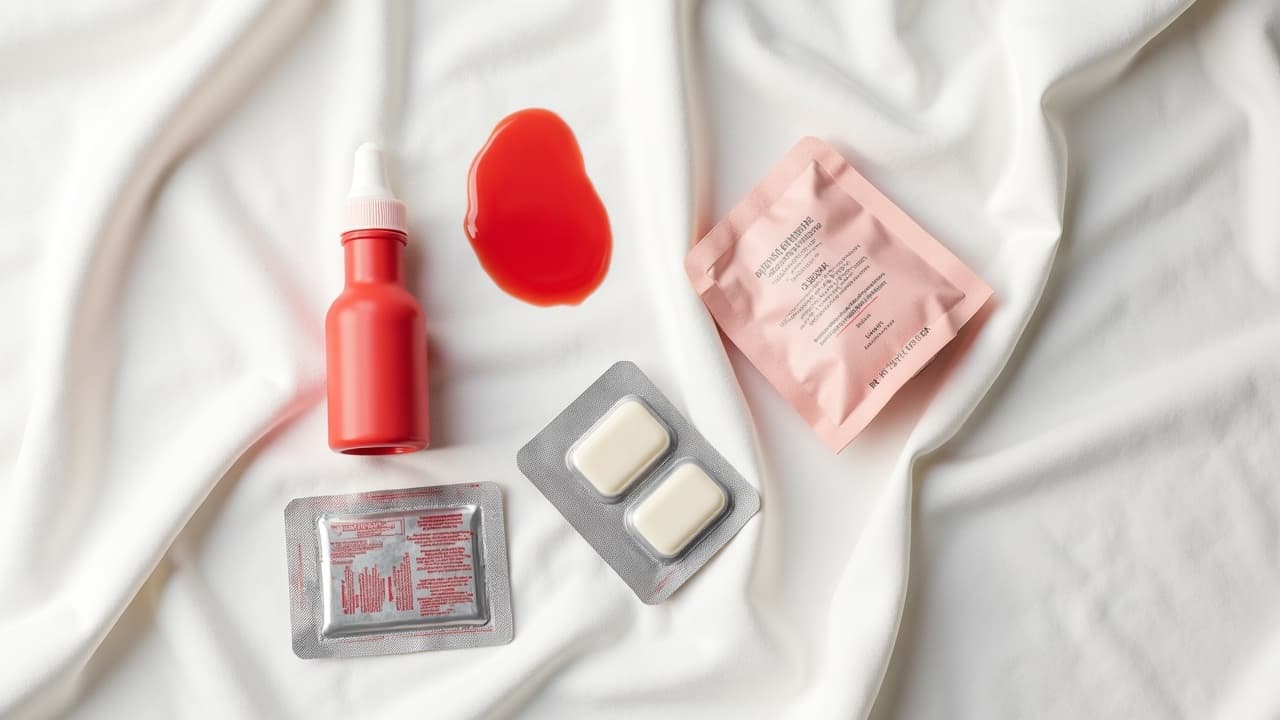
More people are getting tattooed than ever, and with scale comes edge cases. Pew Research estimates that roughly a third of U.S. adults have at least one tattoo, which means even uncommon reactions add up. Dermatologists consistently report that most allergic tattoo reactions involve red pigment, and they can flare days to years after the session. The good news, most reactions stay localized and respond to simple steps if you catch them early.
Tattoo allergy or normal healing? Here is the split
Fresh tattoos look angry at first. Normal healing brings 48 to 72 hours of redness and warmth around the lines, a sunburn feel, and days 4 to 7 of tightness and itch as thin scabs form. That is expected. Allergic reactions behave differently. They last longer, feel itchier or burny, and often focus on one color, especially red. You might see hives-like bumps, clear fluid weeping without thick pus, or raised plaques confined to certain fills. If symptoms jump beyond the tattoo, or pain spikes, consider infection or a compounded problem.
- Allergy flags: itch that stays high beyond day 7, hive-like bumps over one color, clear oozing, and thickened plaques that linger 2+ weeks.
- Normal healing: mild redness decreasing by day 3, light peeling by days 4 to 10, itch manageable with moisturizers, no spreading heat.
- Infection clues: spreading redness more than 5 cm, increasing pain, yellow-green pus, fever, and swollen lymph nodes. Treat infection as urgent even if an allergy exists.
The usual suspects: pigments, metals, adhesives, and aftercare
Allergies often track back to specific pigments or surrounding products. Red inks are the classic trigger, historically from cinnabar and certain azo dyes, but sensitivities can happen with any color depending on contaminants or additives. Black inks sometimes include carbon black with trace metals, and some greens or blues carry copper or nickel. Adhesive bandages and fragranced aftercare are common non-ink culprits.
- Reds and oranges: reactions linked to cinnabar/mercury sulfide historically and some azo pigments in modern blends.
- Blacks: usually carbon-based, but trace nickel or chromium contamination can provoke nickel-sensitive clients.
- Blues and greens: copper and other metal salts can irritate or sensitize, especially with sun exposure.
- Bandages and wraps: adhesives in Saniderm-style films can cause contact dermatitis. Ask for a test tab before full application.
- Aftercare products: fragrances, lanolin, and antibiotic ointments like neomycin are frequent irritants. Choose fragrance-free, dye-free basics instead.
For chemistry and risk overviews, see the American Academy of Dermatology guidance on tattoo reactions and the U.S. Food and Drug Administration information on tattoo inks. Both emphasize that pigments may migrate, reactions can be delayed, and ingredient lists are not always complete.
Acute, delayed, and chronic reactions, what each feels like
Timing helps you sort the issue. Acute allergic contact dermatitis appears within 24 to 72 hours, usually itchy, red, and sharply framed to the color or to the bandage footprint. Photoallergic rashes can pop up after first sun exposure, especially with yellow or red pigments. Delayed hypersensitivity, lichenoid, or granulomatous reactions can smolder for weeks to months, creating persistent bumps, papules, or plaques over one color fill. Keloids are different, a scarring tendency rather than allergy, and tend to rise beyond the inked area. If nodules are firm and long-lasting, a dermatologist may check for granulomas or very rarely systemic causes like sarcoidosis.
Trusted medical sources like Cleveland Clinic patient education and Mayo Clinic dermatology resources outline these categories and stress early evaluation when reactions persist or spread.
Ruling it in: practical identification steps that actually help
Artists are not clinicians, but we can help you narrow triggers. Start with a timeline. What bandage was used, what creams went on, and what sun or sweat happened in the first 72 hours? Photograph day by day. If a single color is raised while linework is flat, suspect pigment sensitivity. If the adhesive rectangle is the rash, it is likely contact dermatitis to the film. Bring ingredient names to your appointment. Ask your studio to note the exact ink brand, color, and lot code on your consent form or aftercare sheet.
- Ask a dermatologist about patch testing for preservatives, fragrances, and metals. Initial read at 48 hours, final at 72 to 96 hours.
- For pigment-specific issues, they may do a small punch biopsy to confirm lichenoid or granulomatous reactions.
- Out-of-pocket costs vary by market, commonly $50 to $200 for basic patch panels, more if biopsies or multiple visits are needed.
If you are planning more work, consider an in-studio mini swatch: a single-drop test of the suspect ink applied as a tiny freckle-sized dot, then healed for 4 to 6 weeks before committing. It is not perfect, but it has stopped many repeat reactions in my chair.
First 72 hours: safe steps to calm a reaction at home
When you suspect an allergy and there are no infection signs, switch to low-irritant care. Remove the film early if the adhesive is reacting, rinse with cool water and a mild cleanser, and keep the area clean and lightly moisturized. Cold compresses help reduce itch and swelling. OTC antihistamines can blunt itch while you arrange medical advice. Avoid slathering thick antibiotic ointments. They can worsen dermatitis and occlude the skin.
- Wash gently twice daily with fragrance-free soap, pat dry, and apply a thin layer of Aquaphor, Bepanthen, or Hustle Butter. Keep it light and breathable.
- If adhesive is the problem, stop the film and switch to non-adhesive dressings or open air per your artist’s plan. Test Saniderm on uninked skin before reuse.
- Use a cool compress 10 minutes at a time, 3 to 4 times daily, and consider oral cetirizine or loratadine for itch.
- Avoid topical neomycin and fragrances. A tiny ring of 1% hydrocortisone around, not on, open skin can help short term until you are seen.
- Shield from sun. UV can amplify red and yellow pigment reactions. Cover up for the first 2 to 4 weeks.
Product names are for clarity, not endorsement. Examples listed here such as Aquaphor, Bepanthen, Hustle Butter, Mad Rabbit, and Saniderm are common in studios (non-sponsored examples). For more tailored routines, see our sensitive skin aftercare guide.
When to see a clinician and what treatment usually looks like
If redness is spreading, pain rises, or you see pus, treat it as infection first. Seek urgent care the same day. For probable allergy without infection, a primary care provider or dermatologist can step in. Expect a short course of prescription topical steroids, sometimes a non-steroidal calcineurin inhibitor for delicate areas, and guidance on moisturizers. Persistent nodules might need intralesional steroid injections. Granulomatous red-ink reactions can be stubborn and sometimes respond only after laser clearing of the pigment or, for tiny spots, surgical excision.
- Red flags: fever, streaking redness, foul odor, and thick yellow-green discharge. Do not wait on these.
- Typical visit costs in the U.S. range $150 to $500 before medications. Ask about generics for budget control.
- If laser is considered, patch-test a single pass on a small area and wait 8 to 12 weeks to judge reactivity before full treatment.
For evidence-based overviews of allergic contact dermatitis treatments, consult clinician-facing resources at Mayo Clinic and patient education at Healthline on skin allergies. Adverse events and ink safety updates are tracked by the U.S. FDA tattoo information hub.
Preventing reactions on your next tattoo
Prevention is a shared project between you and your artist. The more we know about your skin history, the smarter we can be with pigments and products. If you have a history of nickel allergy, fragrance sensitivity, or bandage rashes, say it upfront. If you have reacted to red ink before, the safest next move is usually staying with black and gray or carefully tested alternatives. Vegan inks reduce animal-derived ingredients, but vegan does not equal hypoallergenic. Always test suspect components first.
- Request ingredient sheets or SDS printouts for the exact inks planned. Keep photos in your phone for future reference.
- Ask for a test dot using the target red or yellow and let it heal 4 to 6 weeks before a larger fill.
- Choose latex-free gloves and adhesives. If films bother you, use non-adhesive sterile pads changed twice daily for the first 48 hours.
- Patch-test numbing creams like TKTX, lidocaine, or benzocaine on uninked skin 48 hours before your session if pain control is needed.
- Bring your own fragrance-free aftercare, labeled clearly, and keep the design out of sun for the first 2 to 4 weeks.
Allergy versus infection, or both, and why it matters
Allergy and infection can overlap, but the management priorities differ. Infection gets antibiotics promptly. Allergy gets trigger removal and anti-inflammatory care. If you are unsure, treat it like infection until a clinician rules it out. For itch-focused rashes without systemic signs, you can usually step through the home care list and call your artist. If symptoms escalate, escalate your care. Cleveland Clinic’s infection guidance and AAD’s allergic dermatitis overviews back this triage approach.
If itch is your main battle, our studio-level tips in itching relief techniques can help you get through the peak days without harming the tattoo.
Tattooing again after a reaction, realistic options
Plenty of clients return to the chair safely after a reaction, but the plan changes. If red was the trigger, aim for black and gray, stippling, or muted tones tested by dots. Some clients clear the problem color with 2 to 6 conservative laser sessions, then recolor with a tested alternative. Others opt for partial removal and a cover-up using carbon-black heavy mixes, which are rarely allergenic. Document every product that touched your skin and keep it in your notes. That record is the roadmap for future sessions.
Ready to plan a skin-smart tattoo? Use AI for Tattoo to visualize designs in grayscale first, pick safer placements, and preview coverage before you commit. Generate a concept in minutes in our creator or try it on your skin to see how it reads on your tone.
Try AI for Tattoo Free