
Most tattoo complications are preventable. In my chair, the cleanest heals come from clients who chose a reputable studio, verified the setup, then followed aftercare exactly. If you are getting your first tattoo, a few non‑negotiable checks on sanitation, credentials, and aftercare lower your risk dramatically and set you up for a smooth 2–4 week heal.
What Safe Tattooing Looks Like Today
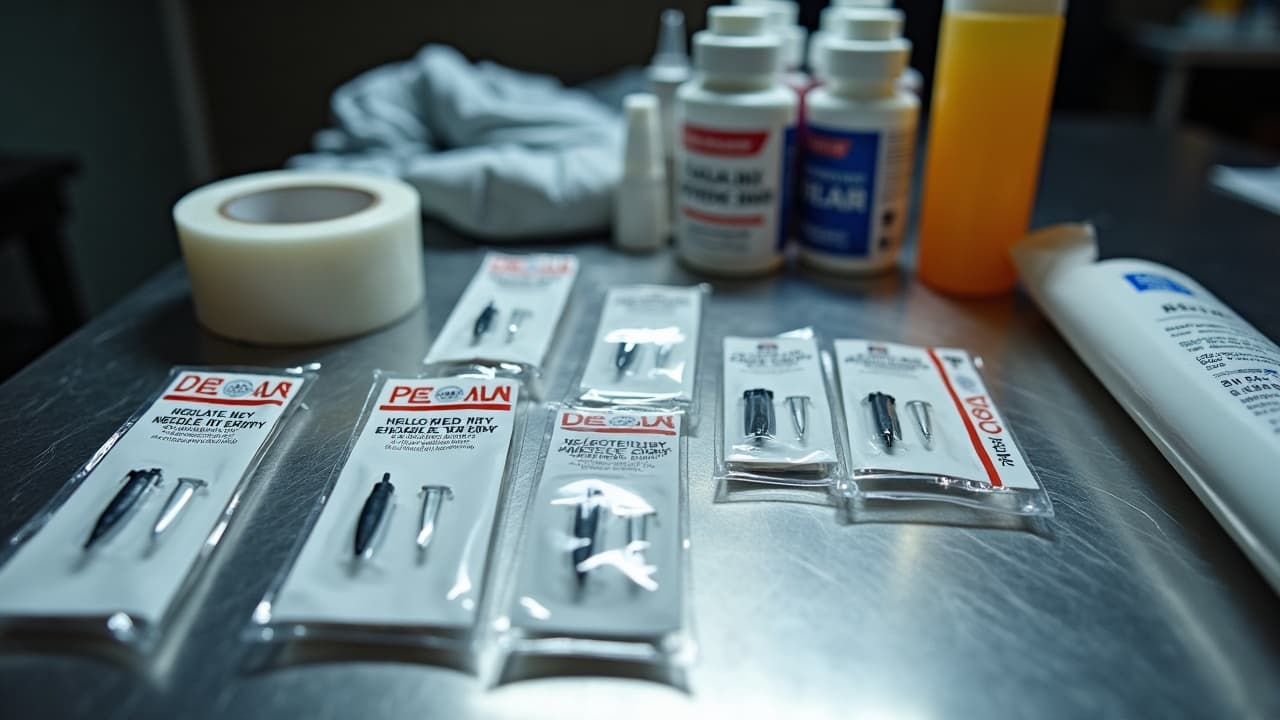
A safe studio feels organized, smells like disinfectant, and runs on documented procedures, not vibes. You should see single-use needles and cartridges, sealed until setup. Reusable equipment is sterilized in an autoclave with spore testing logs. Artists wear new nitrile gloves for every touch of your skin or equipment. Surfaces are covered with barrier film, clip cords and machines are bagged, and inks are poured into disposable caps. Your artist cleanses your skin with antimicrobial soap or prep, then shaves and disinfects the area before stenciling. This is standard, not special treatment.
These basics align with infection control principles published by public health agencies. Sterilization standards reference moist heat cycles around 121 °C, 250 °F for 15–30 minutes, which you will see noted on autoclave indicators and logs. For a primer on infection risks and hygiene fundamentals, see the American Academy of Dermatology and CDC resources, which outline common tattoo complications and prevention steps (AAD overview, CDC sterilization resources).
How to Vet a Studio Before You Book
Start online, then verify in person. A polished Instagram is not proof of hygiene. You want city permits visible at the front desk, an autoclave in good order, and an artist who happily answers safety questions without getting defensive. Expect to sign an informed consent form and a medical disclosure before any needlework.
- Ask to see the autoclave logs and spore test results. Spore tests are typically run monthly. Logs should show dates, cycle parameters, and pass results that match indicator strips.
- Watch a workstation set up from scratch if possible. Look for sealed needles, fresh barriers, and inks dispensed into new caps just for you.
- Scan for handwashing sinks, sharps containers, covered trash, and labeled medical-grade disinfectant. A tidy, methodical flow tells you a lot.
- Confirm the studio’s license and inspection status with your local health department. Most cities list approvals and suspension actions publicly.
- Look for proof of bloodborne pathogen training for artists. Many regions require annual refreshers. Certificates should be current and posted or available on request.
If prices look too good, ask why. Safety supplies cost real money. Expect a modest $10–$25 supply fee or a day rate that reflects proper disposables and time to clean. Rock-bottom quotes often mean shortcuts on gloves, barriers, or scheduling, all of which increase risk.
Choosing the Right Artist, Beyond the Portfolio
Technique matters for safety. A good first tattoo artist works clean and communicates clearly. During consultation they should ask about skin conditions, medications, and placement constraints. They will steer you away from problematic placements on areas that rub a lot or swell heavily for your first piece.
- Expect a direct talk about healing windows and lifestyle conflicts. If you swim daily or have a beach trip in 2 weeks, a pro will suggest rescheduling.
- Ask how they handle allergic reactions. Red pigments and some cosmetic inks are more commonly implicated per dermatology sources, so patch testing logic should not be a surprise.
- Request a clear aftercare plan, including product names and timing. Vague instructions cause most aftercare mistakes and slow heals.
- Confirm the touch-up policy. Responsible artists back their work within a 90-day window, as long as aftercare was followed.
On ink safety and allergies, the FDA notes that tattoo inks are not preapproved and that pigments can vary. Allergic or inflammatory responses, especially to some reds, can be stubborn. Read more at the FDA’s main site and the AAD pages on tattoo reactions (FDA tattoo safety, AAD on tattoo reactions).
Sanitation 101 You Can Actually See
You do not need to be a clinician to recognize a clean setup. You just need to know what to look for. Before a needle touches your skin, scan the station like a preflight checklist. Small lapses, like touching a phone with gloved hands then returning to your skin, are red flags you should call out.
- Artist washes hands, then dons new gloves before opening any sterile packages. Glove changes happen any time they touch non-sterile surfaces.
- Station is wrapped in barrier film. Machines and clip cords are bagged. Ink bottles never contact your skin or used caps.
- Skin is prepped with antimicrobial cleanser and shaved with a new disposable razor, then disinfected again before the stencil.
- Aftercare bandage is sterile and breathable. Popular choices include Saniderm and Tegaderm for short wear times, with instructions for removal and washing. (non-sponsored examples)
The CDC and Mayo Clinic outline universal hygiene rules that map neatly to tattooing, including hand hygiene, surface disinfection, and wound care principles. For authoritative consumer guidance on signs of infection and when to seek care, start with these providers’ general pages (CDC infection control, Mayo Clinic wound care basics).
Prep Your Body and Skin 72 Hours Before
Your skin is half the safety equation. Arrive hydrated, fed, and rested. Avoid alcohol for 24 hours, sunburns for 7 days, and heavy lifting that might cause swelling in the area. If you are on blood thinners, acne medications like isotretinoin, or antibiotics, talk to your doctor and disclose it to your artist. Some meds increase bleeding or affect healing speed.
- Moisturize lightly twice daily for 3–5 days pre-session with a bland lotion to soften skin. Skip scented products or strong acids like AHAs and retinoids on the area.
- Avoid aspirin and high-dose NSAIDs the day before unless prescribed. They can increase bleeding. Acetaminophen is generally preferred for pain, but ask your provider first.
- Test any numbing cream like TKTX or 5 percent lidocaine on a small patch 48 hours before. Use sparingly and only with artist approval. (non-sponsored examples)
- Plan your wardrobe. Wear loose, clean clothing that gives your artist full access without rubbing the fresh tattoo on the way out.
If you live with eczema, psoriasis, diabetes, or similar conditions, adjust care with medical input. We maintain a resource focused on nuanced aftercare for preexisting skin needs, which you can read here, our guide to chronic skin conditions and tattoos.
During the Appointment, Boundaries and Pain Control
A safe session is collaborative. Speak up if you see cross-contamination risks, like the artist touching their phone then your skin, or if you need a break. Most first tattoos fall around pain 3–6/10, with bony areas spiking higher. Deep breathing, short breaks, and steady blood sugar all help. Some shops allow topical lidocaine creams, applied per instructions to avoid skin whitening that can distort the stencil.
- Keep drinks closed and off the station. Bring a sealed water bottle and simple snacks that are easy to open without touching the setup.
- Ask your artist to re-glove after phone use or payment handling. This is normal safety etiquette, not rude.
- If you feel faint or sweaty, say something immediately. A quick 2–3 minute pause, water, and a snack usually resets you safely.
- Do not let friends crowd the space. Extra bodies complicate sterile fields and distract your artist at the worst time.
Aftercare That Actually Prevents Problems
Most infections show up because of poor aftercare or contaminated environments, not the 60 minutes you spent in the chair. Your goal is clean, dry, lightly moisturized skin with minimal friction. Expect a 14–30 day total heal, with peeling around days 3–7. Leave the initial bandage on as instructed, then wash with lukewarm water and a gentle, unscented cleanser. Pat dry, then apply a breathable ointment in a paper-thin layer.
- Good products for week one include Bepanthen, Aquaphor, Hustle Butter, or Mad Rabbit, used very thinly to avoid clogging. Switch to a light lotion after peeling. (non-sponsored examples)
- Avoid soaking, pools, hot tubs, and saunas for 2 weeks minimum. Showers are fine. Keep gym equipment contact to a minimum and wipe down surfaces first.
- Skip tight clothing and heavy sunscreen on day one. Once the surface closes, use broad-spectrum SPF 30+ daily to protect color and reduce irritation.
- If you remove a Saniderm style bandage early due to sweat or itch, wash, dry, and continue with ointment and lotion. Do not reapply a used film.
Ingredient labels can be confusing. If you want a deeper breakdown of ointments, lotions, and what to avoid on fresh tattoos, read our aftercare ingredients guide. It covers petrolatum content, fragrances, and lanolin sensitivity in practical terms for first timers.
Know the Red Flags Early
Normal healing includes mild redness, slight warmth, thin plasma weeping on day one, and flaking that looks like colored dandruff around days three to seven. What is not normal is increasing pain after day two, thick yellow-green discharge, or a hard hot lump under the skin. If you suspect infection, act quickly.
- Call your artist first for a quick read. If they suspect infection, seek medical care the same day. Do not self start leftover antibiotics.
- Watch for spreading redness, fever, chills, or streaks. These are escalate-now signs by consumer health standards from Cleveland Clinic and Mayo Clinic resources.
- Allergic reactions usually itch intensely and can persist as bumps. Reds are common culprits. The AAD explains that pigment allergies may require dermatology care and are not simple to fix.
- If you are immunocompromised or diabetic, err on the side of calling your clinician early for any concerning change, even if mild.
For authoritative summaries on symptoms requiring care, see the Cleveland Clinic and Mayo Clinic consumer pages, and the FDA overview on tattoo-related adverse events and reporting pathways (Cleveland Clinic health resources, Mayo Clinic consumer health, FDA on tattoos and permanent makeup).
Costs, Consent, and Paperwork That Protect You
Safety is also administrative. Expect an ID check, consent form, and a detailed medical questionnaire. You should receive printed or digital aftercare and a line of contact for questions. Deposits range from $50–$200, small tattoos from $100–$300, and half-day sessions from $500–$900 in many cities. These prices account for sterile supplies, cleaning time, and artist expertise. Cheap work often means compromises you cannot see until it is too late.
If you are still shaping your concept or placement, it is safer to lock those choices before you book time. You can pressure test scale and fit with virtual tools, then walk into your consult prepared. Our platform has helpful starter reads, including ethical prompt guidelines for AI concepts.
Ready to make a safe first decision before any needle is opened? Use AI for Tattoo to generate your design, size it to your body, and try it on with your camera so you can book confidently. Start with a sketch in Create, preview it on your skin in Try On, and walk into the studio with a plan your artist can execute cleanly.
Try AI for Tattoo Free