
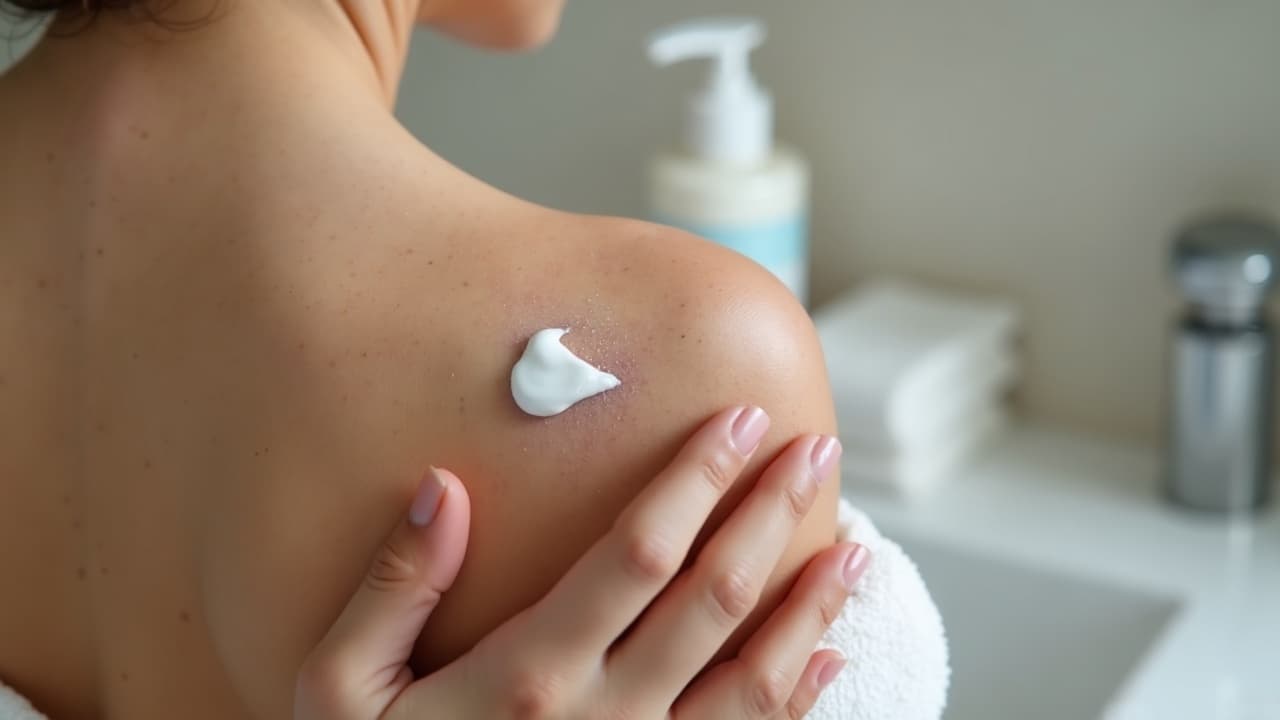
Most new tattoos itch more between day 3 and day 7, when the skin tightens and tiny flakes begin to lift. That itch is part of normal healing, not a sign your tattoo is failing. The trick is managing it without scratching, which protects both your ink and your skin.
What Actually Makes a New Tattoo Itch
Tattooing creates thousands of controlled micro-injuries that kick off inflammation. Your body releases histamine, new keratin forms, and nerve endings become jumpy, all of which register as itch. Dryness from evaporating plasma and a thin scab layer amplifies the sensation. Adhesives from second-skin bandages can add mild irritation for some people, especially around the edges.
Dermatology groups consistently note that itching is a standard phase of wound healing. See the American Academy of Dermatology on general wound care and irritation guidance for context AAD guidance. For step-by-step tattoo aftercare, Cleveland Clinic’s clinicians outline gentle cleansing and moisturization as first-line measures Cleveland Clinic tattoo aftercare. Healthline’s editors also summarize common causes of tattoo itch, from dryness to contact dermatitis Healthline tattoo aftercare overview.
- Inflammation and histamine release trigger nerve sensitivity, which your brain reads as itch.
- A drying plasma film and early scab formation tug on healing edges, increasing the urge to scratch.
- Adhesives or fragrance from products can cause contact dermatitis, especially in the first week.
- Friction from clothing and micro-sweat under wraps keeps the skin damp, increasing irritation.
Normal Itch Timeline vs Red Flags
Expect a light prickle in the first 48 hours, then a stronger, prickly-tingly itch during flaking. The goal is not zero itch, it is controlled itch without breaking skin. If symptoms escalate or extend past normal windows, check for warning signs.
- Days 0–2: Feels warm, tight, mildly itchy. Clear fluid or light weeping is normal under wraps.
- Days 3–7: Itch peaks. Thin flakes lift like dandruff. Do not pick. Moisturize lightly 2–3 times daily.
- Days 8–14: Flakes taper. Itch fades to mild. Tattoo looks matte or cloudy, a normal secondary healing stage.
- Weeks 3–4: Surface healing usually complete, itch minimal. Resume workouts and sun carefully, per your artist’s advice.
Call your artist or a clinician if you notice spreading redness, heat, or thick yellow-green drainage. See our detailed infection checklist in our infection signs guide. Medical sources flag fever, rapidly worsening pain, and red streaks as urgent signs to act on Cleveland Clinic tattoo aftercare. The FDA also tracks rare allergic and infectious complications related to inks and aftercare products FDA tattoo inks.
Safe Relief Techniques You Can Use Today
- Use a cool compress for 5–10 minutes, up to 3 times daily. Wrap a gel pack or ice in a clean cloth. Never place ice directly on fresh ink.
- Moisturize with a thin layer of fragrance-free ointment or lotion when the skin feels tight, not greasy. Aim for pea-sized amounts on palm-sized areas.
- Switch to the tap method when the urge to scratch hits. Lightly tap around the tattoo with clean fingertips to distract the nerves.
- Take a non-drowsy antihistamine like cetirizine or loratadine during the day if allergies are flaring. Use diphenhydramine at night only if tolerated. Ask a clinician if unsure.
- Air out the tattoo for 15–20 minutes after washing before rewrapping or dressing. Keeping it briefly uncovered helps reduce maceration itch.
- Keep showers lukewarm, 5 minutes or less. Hot water spikes blood flow and can intensify itching and swelling.
- Use loose, soft cotton layers. Avoid compression leggings, rough denim, and elastic seams over the tattoo in week one.
Avoid topical steroids like hydrocortisone on open or freshly scabbing tattoos unless a clinician directs you. Steroids can thin skin and risk color changes. For persistent itch that disrupts sleep, a short course under medical supervision is safer than scratching damage. Mayo Clinic offers background on dermatitis treatments and when steroids make sense Mayo Clinic dermatitis overview.
Products That Actually Work
The best products reduce friction and lock in moisture without clogging. Look for petrolatum-based or ceramide-rich formulas, fragrance-free, and easy to spread thinly. Below are products and materials artists and clients repeatedly report success with. Brands are examples, not endorsements.
- Healing ointments: Aquaphor, CeraVe Healing Ointment, Bepanthen. Apply thinly 2–3 times daily in week one. Typical cost $8–$18 per tube (non-sponsored examples).
- Tattoo balms: Hustle Butter, Mad Rabbit. Switch after day 3 if your skin prefers lighter textures. Expect $12–$25 per tin (non-sponsored examples).
- Foam or gel cleansers: H2Ocean Blue Green Foam, Cetaphil Gentle Skin Cleanser. Use with lukewarm water. $8–$15 range (non-sponsored examples).
- Second-skin films: Saniderm, SecondSkin, Tegaderm. Great for reducing friction itch the first 3–5 days if your skin tolerates adhesives. $10–$25 per pack (non-sponsored examples).
- Soothers for later stages: colloidal oatmeal lotions like Aveeno, or aloe vera gel without dyes or fragrance. Use after scabs have lifted. $7–$15 (non-sponsored examples).
Patch test any new product on a nearby area first, especially if you have a history of contact dermatitis. AAD notes that pigments, metals, and additives can trigger reactions in sensitive individuals AAD tattoo reactions. If redness or itch spreads beyond the tattoo edges after applying a product, rinse off and switch immediately.
Clean Habits That Calm the Itch
Consistent hygiene is the quiet hero of itch control. Think low heat, low friction, and light moisture. Most clients do best washing twice daily and moisturizing just enough to stop tightness without shine. Cleveland Clinic’s wound-care basics apply neatly here too Cleveland Clinic tattoo aftercare.
- Wash 2 times daily with a pH-balanced, fragrance-free soap and lukewarm water. Hands first, then tattoo, then pat dry with a clean towel.
- Blot dry and wait 15–30 minutes before ointment so residual moisture does not trap under product.
- Apply a paper-thin layer of ointment or lotion. If the skin looks glossy or sticky, you used too much.
- Change bedding every 2–3 days in week one. Clean sheets reduce bacteria and fiber friction.
- Skip long baths and hot tubs until the skin surface seals. See our timing guide for swimming after a new tattoo.
Triggers That Make It Worse, Avoid Them
- Heavy sweating in the first week. Train light or switch to low-sweat activities until peeling ends.
- Direct sun. UV boosts inflammation and histamine. Cover up and start SPF 30–50 once the skin closes, usually after week two.
- Tight or abrasive fabrics over the tattoo. Choose soft cotton and avoid waistbands, straps, or seams rubbing the area.
- Alcohol and dehydration for 24 hours pre and post session. Dry skin itches more and heals slower.
- Pet hair, dust, and fragrance. Keep the area clean, limit sprays and perfumes on clothes.
- Pools, oceans, and hot tubs for at least 2–3 weeks. Besides infection risk, chemicals and salt dry the skin and worsen itch.
If you use second-skin films, swap them on schedule and remove with clean, warm water. Residual adhesive under hot, sweaty conditions can spark edge irritation. For context on adhesive use, see our practical note in the tattoo ultrasound aftercare guide.
When To Call Your Artist Or A Doctor
Your artist can spot normal vs abnormal healing quickly from clear photos. Contact them if the itch feels like burning or if redness expands after day three. Seek medical care urgently for fever, intense swelling, or pus. Government and medical sources outline these as red flags for possible infection or allergy FDA tattoo inks, Healthline tattoo aftercare overview.
- Spreading redness larger than 2 inches beyond the design after day 3, or rapidly worsening pain.
- Thick yellow-green discharge, foul odor, or a hard, hot feeling to the touch.
- Fever 100.4°F or higher, chills, or swollen lymph nodes.
- Raised, itchy hives or a bumpy rash beyond the tattoo, suggesting contact dermatitis or allergy.
- Itching that prevents sleep despite cool compresses and moisturizers for 48 hours.
Prevent Itch Before You Sit
- Moisturize the target area once daily for 7–14 days before your appointment with a fragrance-free lotion. Hydrated skin heals and itches less.
- Avoid alcohol for 24 hours and extra caffeine the morning of. Hydrate with 2–3 liters of water the day before and day of.
- Discuss second-skin film vs open-air healing with your artist. Films often reduce friction itch, but skip if you react to adhesives.
- Wear loose, breathable clothing to and from the appointment. Plan sleeping positions that keep pressure off the tattoo.
- Skip brand-new products on day one. If you plan to use a balm or cleanser, patch test it at least 24 hours ahead.
- If you consider numbing creams like TKTX, ask your artist and patch test far from the tattoo site. Some formulas can irritate or blanch skin.
If An Older Tattoo Suddenly Itches
Healed tattoos can itch years later from dry weather, sunburn, or contact dermatitis from soaps or fabrics. Start simple, use SPF 30–50, moisturize daily, and switch to fragrance-free detergent. If a specific color swells or stays raised, you might be experiencing a pigment sensitivity. AAD discusses allergic tattoo reactions and when to see a dermatologist AAD tattoo reactions. Mayo Clinic offers background on skin allergies and evaluation options like patch testing Mayo Clinic dermatitis overview.
For persistent, localized itch on older tattoos, a clinician may prescribe a low-potency steroid or nonsteroidal anti-itch cream. Avoid self-treating with strong steroids without guidance. If imaging is planned, mention your tattoo to the radiology team, since some pigments can tingle during MRI even though it is generally safe. Keep your artist in the loop so you can also adjust future color choices.
Planning your next piece around low-friction placements and right-sized coverage can cut itch dramatically. Use AI for Tattoo to generate a custom design and virtually try it on to test scale and placement before you heal. Start now in Create or preview on your body in Try On.
Try AI for Tattoo Free