
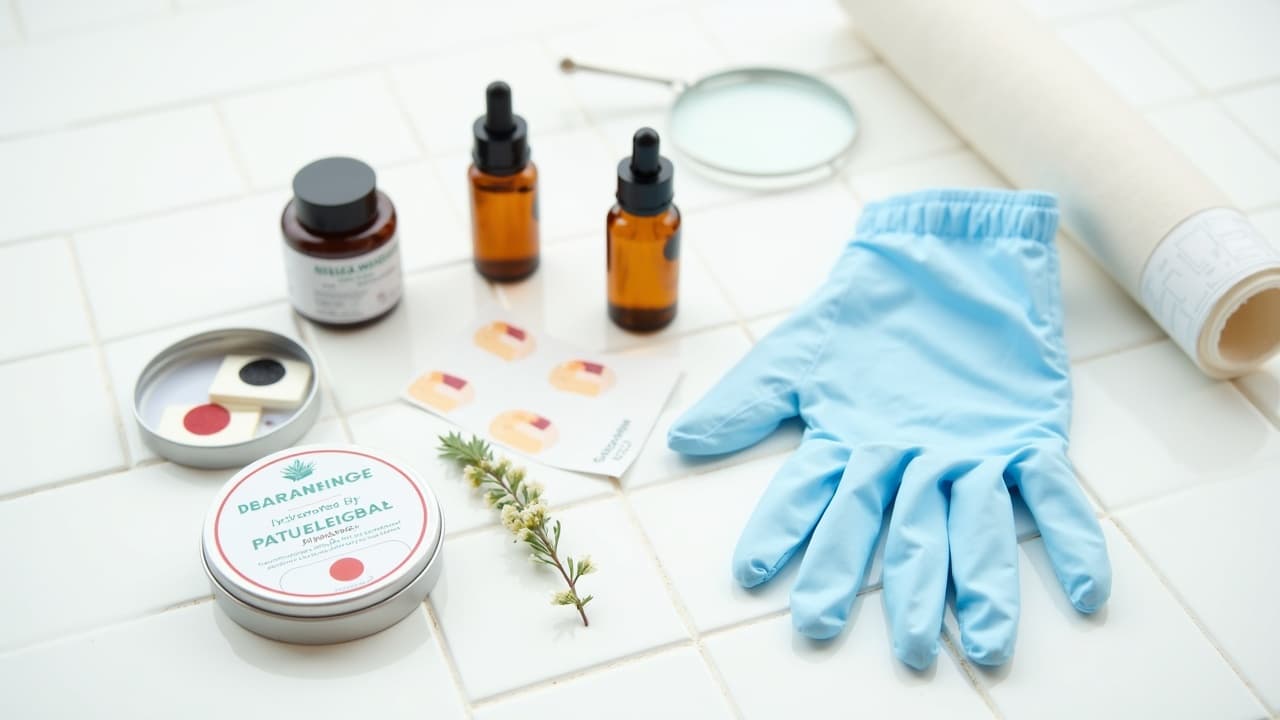
Most true tattoo allergies trace back to specific pigments or adhesives, not the needle work itself. Reactions are far more likely in reds and yellows than in black or gray, and they can persist for weeks to months if the trigger remains in the skin. That sounds scary, but with a few smart choices, allergic reactions are largely preventable.
What a Tattoo Allergy Actually Is
Tattooing places pigment into the dermis, which means potential allergens live under the epidermis where normal patch tests do not always predict outcomes. When a reaction occurs, it is usually one of two patterns. The first is allergic contact dermatitis, a delayed hypersensitivity that looks like an itchy, red, sometimes scaly plaque confined to one color. The second is a granulomatous reaction, a firm, raised response where the immune system walls off pigment particles. Both are documented by dermatology sources and are considered uncommon compared to infections. See the American Academy of Dermatology overview on tattoo risks for the clinical picture and terminology (AAD).
Clinically, artists and dermatologists also see photoallergic responses, where sunlight triggers a flare, especially over yellow areas, and irritant reactions to adhesives or ointments that are not true allergies. Cleveland Clinic notes that red pigments are frequent culprits and that reactions can be delayed, appearing weeks or even months after the session (Cleveland Clinic).
Facts vs Myths You Hear in the Chair
A lot of allergy talk in studios mixes truth with half-truths. Here is what reliably holds up when the evidence and day-to-day client outcomes line up.
- Myth: Black ink is hypoallergenic. Fact: Carbon black is low risk, but contamination with nickel can still trigger sensitive clients. Low risk is not zero risk.
- Myth: Vegan ink means no allergies. Fact: Vegan only means no animal products. You can still react to azo dyes, preservatives, or metals in vegan formulas.
- Myth: White ink causes most allergies. Fact: Titanium dioxide is generally inert. More persistent allergies cluster in reds and some yellows.
- Myth: A patch test guarantees safety. Fact: Intradermal pigment behaves differently than a 48-hour skin patch. A patch test can help, but it is not definitive.
- Myth: All rashes are infections. Fact: Allergies usually itch, scale, and track with a color. Infections add fever, spreading warmth, and pus. If unsure, a clinician should check it.
For a deeper product-by-product aftercare breakdown that minimizes irritants, see fragrance-free picks and ointment comparisons in our skin care products guide.
Pigments and Materials Most Likely to Cause Trouble
Historically, mercury sulfide in bright reds was notorious. Modern reds more often use azo pigments like Pigment Red 170 or naphthol reds, which can still cause allergic contact dermatitis. Cadmium yellow and some chromium green or cobalt blue pigments are less common now, but older tattoos may contain them. White areas can flare from sun due to titanium dioxide scattering light, which is photoreactive, though true allergy to titanium is rare. The U.S. FDA tracks tattoo ink issues and reminds consumers that pigments are not FDA approved for injection (FDA on tattoos and permanent makeup).
- Higher-risk colors seen in clinics: bright reds, some oranges, and yellows, with reactions sometimes triggered by sunlight or heat exposure.
- Non-pigment triggers: adhesive films like Saniderm or Tegaderm, latex gloves, and lanolin or fragrance in ointments and lotions.
- Outside the studio: Black henna body art uses PPD hair dye, which can cause severe sensitization and scarring. Avoid it entirely.
If you have a history of reactions to red lipsticks, costume jewelry, or hair dye, tell your artist. That pattern often correlates with pigment or metal sensitivity in tattoos. Healthline offers a clear symptom checklist that matches what artists see in day-to-day healing versus allergic flares (Healthline).
Who Is More Likely to React
Most clients never experience a tattoo allergy. That said, your background matters. People with atopic dermatitis, psoriasis, or a known nickel allergy sit in a higher risk group. Women report metal sensitivities more often than men, which aligns with nickel exposure from jewelry. AAD and Cleveland Clinic both note that red dyes present a recurrent pattern in case reports and clinic visits (AAD, Cleveland Clinic).
- Personal history: prior contact dermatitis reactions to cosmetics or costume jewelry, especially nickel-containing items.
- Site factors: areas seeing heavy sun, sweat, and friction have more post-tattoo irritation and photo flares.
- Medical context: recent isotretinoin, active eczema, or immune-modulating meds can complicate healing and confuse an allergy picture.
Prevention Starts Before Your Appointment
Good prevention is a mix of artist hygiene, pigment transparency, and your own prep. A short consult pays off. Arrive with your history, and ask for SDS or ingredient sheets on the inks your artist uses. Many reputable brands publish pigment families and preservative systems. If your artist cannot source this info, consider another studio.
- Book a consult two weeks ahead. Share any nickel, fragrance, or PPD allergies, plus prior rash photos if you have them.
- Request a test dot for suspect colors. A 2 to 3 mm micro dot in red or yellow, healed for 2–4 weeks, offers better signal than a surface patch.
- Favor low-risk palettes. Black and gray or limited color accents are safer than large fields of saturated red if you have a reactive history.
- Pause new skincare actives. Stop retinoids and AHAs near the area for 5–7 days before, to reduce baseline irritation.
- Pick a pro studio. Look for single-use needles, sterile ink caps, nitrile gloves, and disinfected surfaces at every setup.
Use your consult to lock aftercare, especially if you are product sensitive. Line up a fragrance-free ointment or lotion in advance. Brands artists commonly stock include Aquaphor, Bepanthen, Hustle Butter, Mad Rabbit, Saniderm, and Tegaderm (non-sponsored examples). For color-specific healing nuances, bookmark our guide to aftercare by ink color.
During and After: Reduce Irritants, Support the Skin
What happens in the chair and during week one sets your trajectory. Keep the barrier intact, limit friction, and avoid known irritants. Film dressings help many clients, but adhesive sensitivity is real. If you have had rashes under bandages before, ask for a non-adhesive approach and gentle wraps.
- If using a film, test a 1-inch strip on forearm for 24 hours the week before. Itches, blisters, or hives mean skip adhesive dressings.
- Clean with lukewarm water and a dye-free, fragrance-free soap twice daily. Pat dry, then apply a thin layer of bland ointment for 3–5 days.
- Switch to a light, unscented lotion once peeling starts. Apply thinly, 2 to 3 times daily, not thick occlusive layers that trap heat.
- Avoid direct sun and hot tubs for 2 weeks. After the skin closes, use SPF 30–50 on color work to minimize photo flares.
Normal Healing vs Allergy: Know the Difference
Normal healing follows a predictable arc. Days 1–3 feel sunburned with pinpoint redness. Days 4–7 peel like a mild sunburn. Itching is normal, but it should not be explosive or limited to one color field. Allergic patterns tend to stick to a single pigment area, stay raised beyond 3–4 weeks, and often worsen in sunlight. Infections spread beyond the tattoo and add fever or pus. Mayo Clinic and Healthline both stress seeking care promptly if systemic signs appear (Mayo Clinic, Healthline).
- Probably normal: mild redness around lines for 48–72 hours, light peeling, diffuse itch controlled by thin moisturizer.
- Suspicious for allergy: a sharply outlined, scaly, itchy patch confined to red or yellow only, persisting beyond 3–4 weeks.
- Concerning for infection: worsening pain, expanding redness, fever, lymph streaking, or pus. That needs in-person evaluation.
If You React: What Helps, What Not to Do
First, stop any new aftercare you just introduced, and keep the area clean and cool. Many mild allergic flares calm with topical hydrocortisone 1% used sparingly for 3–5 days, plus an oral non-drowsy antihistamine if your doctor says you can use one. For persistent plaques or granulomas, dermatologists often use stronger topical steroids, short oral steroids, or topical calcineurin inhibitors. Cleveland Clinic and AAD outline these approaches and emphasize proper diagnosis before treatment (Cleveland Clinic, AAD).
Avoid aggressive scrubbing, acids, or retinoids on the tattoo. Be cautious with pigment removal. Q-switched lasers can aerosolize pigment or transform dyes, which sometimes worsens hypersensitivity. The FDA notes that tattoo removal carries its own risks, including scarring and unexpected pigment changes, so this is not a quick fix for allergies (FDA). When in doubt, a dermatologist with tattoo experience is the right call. Typical specialist visits range $100–$250 before insurance, which is far cheaper than months of uncontrolled inflammation.
Design Choices That Lower Risk Long Term
If you have a reactive history, you can still collect tattoos safely by stacking the odds in your favor. Keep color strategic, pick smarter placements, and coordinate aftercare around sun and sweat. A short design consult makes a huge difference. Bring references and say clearly which colors you tolerate.
- Favor black and gray linework with selective color pops instead of large saturated red panels.
- Place color on lower-sun zones like inner arm or calf if you flare with light, and plan for SPF 50 afterward.
- Choose artists who track ink lots and can share brand and pigment families. That paper trail helps if troubleshooting is needed.
- Use our prep prompts in these consultation questions to cover allergies, aftercare, and product swaps up front.
Ready to plan a color palette that loves your skin? Use AI for Tattoo to generate designs with safer palettes, then virtually place and resize with real-time try-on. Build it in black and gray first, add selective color accents, and preview under different lighting. Start with Create or test placements in Try On.
Try AI for Tattoo Free