
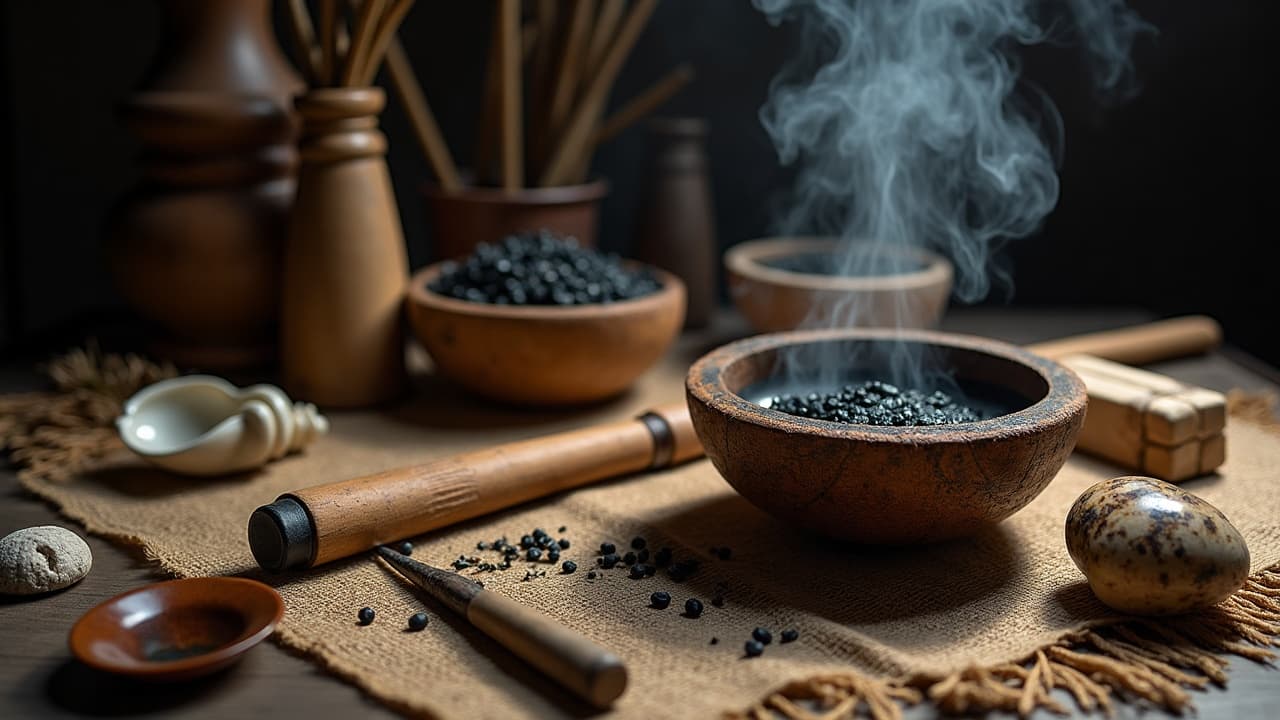
About one in three U.S. adults wears at least one tattoo, a share that has climbed steadily in the past decade according to Pew Research. Yet in many parts of the world, tattooing is not simply personal style. It is ceremony, community, and continuity. From Samoan tatau to Thai Sak Yant to Inuit kakiniit, tattoo ceremonies mark life transitions and bind people to ancestors and place. If you are drawn to these traditions, learning the ritual context and etiquette is not optional, it is the foundation.
What Makes a Tattoo a Ceremony, Not Just a Session?
Ceremony shifts tattooing from personal adornment to communal meaning. The setting, the roles, the sequence of actions, and the language used all carry weight. The tools matter too, whether hand tapping, skin stitching, or tebori. Pain becomes purposeful, and aftercare is intertwined with protocol, not only skincare. In living traditions, the wearer is accountable to more than aesthetic taste, they are accountable to their community.
- Witnesses and roles: elders, spiritual leaders, or master practitioners guide and validate the process, not just the artist alone.
- Ritual openings: prayers, chants, karakia, or meditative silence set intention, then specific chants or blessings may close the session.
- Ancestral motifs: designs carry lineage rights and obligations, so placement and patterns are chosen for identity, not trend.
- Pain as rite: a pain level 6-9/10 is framed as endurance and commitment, not machismo or bravado.
- Materials and cadence: natural inks or traditional tools signal continuity, while breaks, songs, or offerings pace the experience.
- Community obligations: gifts, donations, or service may follow, alongside rules about behavior and display.
Samoan Tatau, Aiga, and the House of the Malu
The Samoan tatau is among the most structured tattoo ceremonies still practiced. The male pe'a and female malu are completed with handmade tools, often by families such as the Suluape tufuga lineage. Sessions occur in the fale, with relatives on hand to support, sing, and ensure protocol. Completion is not only visual, it is social recognition. Expect pain 8-9/10 at peak moments, especially on the ribs, hips, and inner thighs. Healing for larger tatau often runs 14-30 days, with longer full maturation.
- Time and cost: full pe'a can require weeks of sittings and often exceeds $3,000-$6,000, varying by artist and travel.
- Etiquette: the wearer’s family provides food and care for the team, and brings gifts or cash according to custom.
- Aftercare: gentle washing, natural oils, and breathable clothing. Avoid submersion for 2-3 weeks until peeling ends.
- Cultural permission: motifs and placement are not mix-and-match. They follow lineage and responsibility.
If you seek learning before any cultural approach, read deeper history in our cultural icons guide. For skin health questions during long traditional work, see medical basics from the Cleveland Clinic on infection signs and when to seek care.
Māori Tā Moko, Authority, and Revitalization
Tā moko is not a generic Polynesian pattern. It is the written language of identity for Māori, placed with cultural authority by tohunga tā moko. The kauae chin moko worn by wāhine and the mataora for tāne carry whakapapa, personal journeys, and commitments. Techniques range from modern machines to uhi chisels, and the ceremony may include karakia, whānau witnesses, and structured photography for archives. Pain varies by area, typically 5-8/10, and visible facial work demands protocols for public conduct and care.
- Contemporary practice: a living art with strict cultural oversight, not a tourist motif to export onto unrelated contexts.
- Healing: face heals fast, often 7-10 days for surface flaking. Sun is the main enemy, use SPF 30+ diligently.
- Products that many artists allow: Bepanthen, Aquaphor, Hustle Butter, Mad Rabbit, Saniderm (non-sponsored examples). Always confirm with your practitioner.
- Research: learn correct terms and histories via iwi resources and reputable cultural organizations before you inquire.
For broader context on symbolism and power in ink, see our history of rebellion overview. For dermatology-backed care, the American Academy of Dermatology explains tattoo aftercare and warning signs of allergic reactions.
Thailand’s Sak Yant and the Wai Khru Blessing
Sak Yant merges sacred geometry, Pali scripts, and protective mantras. At temples like Wat Bang Phra, ajarns or monks tattoo with long rods, then chant khata to empower the yantra. The annual Wai Khru is a teacher-honoring ceremony that renews vows and blessings. Etiquette includes modest clothing, silence during chanting, and following post-ceremony rules such as dietary or behavioral abstentions. Expect pain 6-8/10, fast work, and a light final oil or powder application as a seal.
- Donations: customary rather than fixed, often 300-2,000 THB per piece, with extra for offerings like flowers and incense.
- Hygiene: ensure fresh needles and sterile wipes. If standards look off, walk away. See the CDC’s guidance on bloodborne risks.
- Reblessing: some ajarns refresh the yant annually, especially during Wai Khru, reinforcing its protective intent.
Health media like Healthline detail common infection symptoms within 2-10 days post tattoo, including redness spreading, fever, or foul drainage. These apply no matter how sacred the setting is, so combine respect with evidence-based care.
Japan’s Irezumi and Tebori in Festival Life
Japanese irezumi once surged in the Edo era alongside firefighter lore and ukiyo-e heroes, then carried decades of stigma. Today, skilled horishi practice tebori hand method or machine, often in private studios with deep apprenticeship. During some matsuri, bearers may reveal backpieces as acts of courage and community pride, though public bathhouses still post restrictions. Tebori can feel like a dense rake, typically pain 6-8/10 depending on fill and ribs.
- Rates: established horishi often charge $150-$300 per hour, with large backpieces taking 60-120 hours over months.
- Etiquette: punctuality, cash, and gifts are common courtesies. Do not post studio locations without permission.
- Aftercare: light films like Saniderm for 3-5 days if approved, then unscented moisturizers for 2-3 weeks.
For cultural background on irezumi and its imagery, curated essays from institutions like the Smithsonian offer reliable context beyond social media snippets.
Arctic and Subarctic Revivals, Kakiniit and Skin Stitch
Inuit kakiniit and facial tunniq were interrupted by colonial bans, then revived through community-led teaching. Techniques include hand poke and skin stitch, where thread pulls pigment through small passes. Motifs track life stages, roles, and protective meanings. Many sessions begin with grounding or storytelling. Pain varies from 4-7/10, with swelling around lips or jaw more intense. Healing is relatively quick, often 7-14 days for small works.
Kalinga Batok in the Philippines, Lineage and Tourism
In Kalinga, batok is applied by mambabatok using thorn and soot. The global spotlight on Whang-Od, now a cultural icon, brought visitors and revenue, and also debate about context. Traditionally, warriors and women of distinction received specific motifs. Today, visiting wearers usually request simple centering designs, pay cash, and offer gifts to the community. Expect dense tapping and pain 6-8/10, with fine-line flaking around day 5-7.
Prepare Respectfully, Heal Responsibly
Across cultures, the path to a respectful cultural tattoo is patient research and plain humility. Think of yourself as a guest, even if you share heritage. Good preparation prevents faux pas and protects your skin so the piece heals as intended.
- Learn the language basics: correct names like tatau, tā moko, Sak Yant, kakiniit show you did homework.
- Ask about permission: some motifs are restricted, others open. The practitioner decides, not Instagram.
- Plan gifts and fees: bring cash, food, or agreed donations. Confirm amounts in advance by message or with a local guide.
- Dress and behave modestly: follow house rules on shoes, photography, and who can enter the workspace.
- Aftercare diligence: follow artist instructions, then cross check medical red flags via the AAD.
- Sanitation checks: sterile needles, fresh razors, covered surfaces. The CDC explains why this prevents bloodborne pathogens.
- Skincare kit: fragrance-free soap, soft towels, and a preferred healer like Bepanthen or Aquaphor. Avoid heavy fragrance for 2-3 weeks.
- Sun and water rules: no pools or soaking for 2 weeks, SPF after peeling, and loose clothing to prevent rub.
If you are still in the idea phase, shape your concept at home then approach a cultural practitioner with clarity and respect. You can test layouts via our style adaptation primer and study symbols with our cultural icons guide before any outreach.
Try designs on your body map before any ceremony. Use AI for Tattoo to generate motifs inspired by your story, then preview placement with the camera-based virtual try-on. Start with a private draft at Create, or see how it sits on your arm, chest, or face with Try On. Use these mockups to communicate intention when you meet a cultural practitioner, keeping space for their authority and protocols.
Try AI for Tattoo Free