
Grief has no timetable, and marking it physically can feel grounding. Clinicians note grief follows no single path, which is why many people create rituals that feel personal and repeatable. A memorial tattoo can be exactly that, a portable ritual that meets you every morning without asking for words. In my chair, remembrance requests are steady year round, from small dates to full portraits. With about 32% of U.S. adults now tattooed, according to Pew Research, there is cultural space to make these pieces visible without explanation. Below, I break down the choices that matter so the tribute reads clearly and ages well. For perspective on coping itself, see Cleveland Clinic guidance on grief. For design craft and cultural context, keep reading.
Why memorial tattoos work when words fall short
Memorial tattoos operate like anchors. The act of deciding, booking, and sitting creates a sequence, a contained ritual that many clients describe as stabilizing. Psychologically, they turn the story of loss into a symbol you can handle, not a cloud you cannot describe. Visible placements help some people talk about their person without spiraling, while private placements protect the memory as something only you see. Neither is more valid. What matters is intention. Choosing an image, a line of handwriting, or a soundwave from a voicemail focuses grief into a clear shape. The process can be collaborative too, bringing siblings or friends into the design. Clinical sources agree grief has no fixed timeline, and structured rituals often help, which aligns with why remembrance work stays popular in studios year after year Cleveland Clinic.
Symbols that carry the weight without saying a name
You do not need a face to make a memorial legible. Symbols compress stories, and the best ones are personal first, recognizable second. Consider these motifs and the messages they send at a glance.
- Dates in Roman numerals or tiny type, pairing a birth date with a passing date, read solemn and minimal, strong on wrists or collarbones for a quiet daily glance.
- A delicate forget-me-not or lily of the valley signals remembrance and purity, common in black and gray linework that heals crisp on most skin tones.
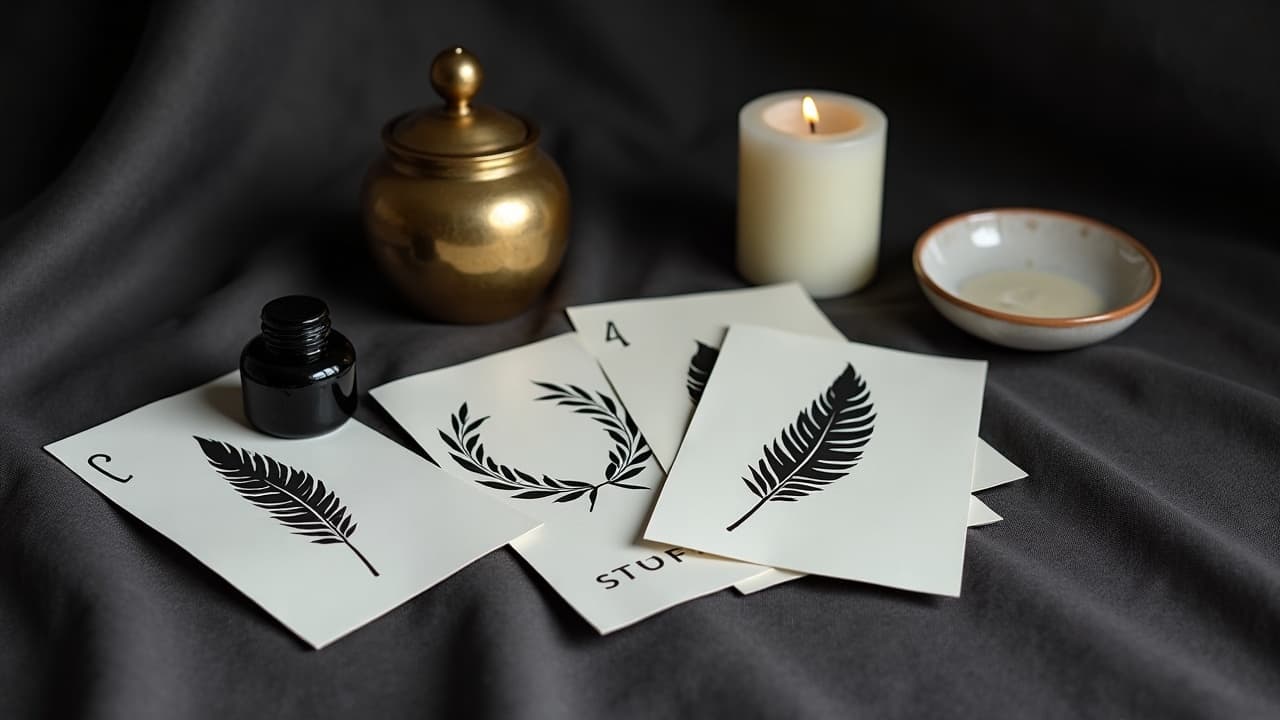
- A feather, bird silhouette, or flying swallow points to freedom and transition, great for soft placements like ribs or triceps where flow matters.
- A heartbeat EKG line ending in initials or a small heart works as a medical nod, often chosen by families and healthcare workers honoring patients.
- Religious cues like a small cross, rosary, or prayer hands speak plainly when faith was central. Keep line weights even to avoid blowouts on fingers.
- Personal artifacts, a signature, a recipe card, or a tattooed ring duplicating a wedding band, transmit intimacy without public exposition.
- Objects from a shared hobby, a guitar pick, baseball stitching, or sailing anchor, keep the tribute specific and story rich on day one and day one thousand.
Read the culture as much as the art
Memorial marks live inside culture, not above it. A sugar skull might honor a Mexican family tradition connected to Día de los Muertos, but placed without understanding, it can read as costume. Polynesian and Māori tattoo lineages encode genealogy directly into pattern, so copying a motif without consent can cross a line. If faith or heritage matters in your tribute, research first, then work with an artist who can adapt respectfully. Our deep-dive on religion and ink maps key boundaries and opportunities, including where text, geometry, and abstraction carry weight without appropriation. See our feature on the intersection of religion and body art and how stories shape designs in our tattoo narratives guide. When your symbol sits inside your real context, it looks right, in photos and in rooms that know your history.
Placement strategy, visibility, and pain reality
Where the tattoo lives changes how it reads. Public placements invite conversation and accountability. Private placements keep the ritual close. Consider movement, sun exposure, and pain. Most memorial pieces are not huge, so pick a spot that frames small work sharply.
- Inner forearm, pain 3–6/10, heals neatly, perfect for scripts, dates, or small florals you can see daily without a mirror.
- Clavicle or chest, pain 6–8/10, emotionally close to the heart for initials, small portraits, or rosary lines that track your collarbone.
- Ribcage, pain 7–9/10, poetic for feathers or phrases that feel private. Requires steady breathing and a patient artist for crisp lines.
- Ankle or foot, pain 6–8/10, symbolic for journeys, but shoes and friction can complicate healing and blur fine detail over time.
- Behind the ear, pain 4–7/10, discreet and photo friendly. Micro symbols shine here, but avoid tiny serif type that can blur as it settles.
Typography, handwriting, and getting the line right
Few things hit like a parent’s signature or a child’s scrawl tattooed cleanly. Ask your artist how they handle source files. A high‑contrast scan lets us vectorize and preserve pressure variations, so the stencil reflects real pen rhythm. For typed scripts, choose legible typefaces at sizes that can survive the skin. Under 0.8–1.0 mm stroke weights tend to soften within a year on most placements. Spacing is design too. Give tiny letters breathing room so counters do not close as the ink settles. If you want a long quote, consider line breaks, a subtle curved baseline, or dividing the text across two placements that meet during a hug. These micro decisions protect readability and the emotional hit, long after the fresh ink glow fades.
Portraits and realism, picking the right hands
Hyperreal memorial work is high stakes. Choose an artist who shows healed portraits, not just fresh ones, and who can articulate how they translate low‑resolution photos. Expect 2–4 hours for a small black and gray portrait and $300–$900 in many U.S. markets, more for color or larger sizes. Artists known for lifelike renderings, think names like Nikko Hurtado, built reputations by controlling reference, contrast, and skin tone mapping. That level of realism lives or dies on midtone clustering and contouring, not just outlines. Help by bringing the best photo you have and three backups with consistent lighting. If the only image is fragile, a tasteful partial portrait or silhouette anchored by a personal symbol can avoid uncanny results while staying faithful to your person.
Aftercare and longevity, keep the memory crisp
A tribute is for life, so early healing and long term care matter. Most small pieces heal in 10–21 days, though collagen remodeling continues for months. Gentle cleansing, light moisturization, and no sun are your foundation. For medical guidance on healing and risks like infection or allergies, start with the American Academy of Dermatology and step‑by‑step basics from Healthline.
- Consider a breathable film like Saniderm for the first days to reduce friction. If your skin is reactive, classic open healing with gentle washing can be safer.
- Use a thin layer of Bepanthen, Aquaphor, or a tattoo balm like Hustle Butter or Mad Rabbit during the peel, never goopy layers that suffocate skin (non-sponsored examples).
- Avoid pools, saunas, or heavy sweat for 10–14 days. Friction and moisture lift scabs early, risking patchy loss of detail in fine scripts or dates.
- Strict SPF 30+ after the peel prevents early fade, especially on hands and forearms. UV is the number one enemy of black microline tattoos.
- If you must numb, consult your artist. Some tolerate TKTX or similar creams, applied correctly and removed fully. Overuse can raise skin and distort stencil lines.
Safety notes, allergies, ink choices, and ashes in ink
Allergic reactions to tattoo pigments are uncommon but real, with red formulations cited frequently in case reports. Review your history with your artist. Patch testing a tiny dot of the planned red can be reasonable for high risk clients, though not universally predictive. The FDA reminds consumers that tattoo inks are not FDA approved for injection and contamination is possible, which is why reputable studios insist on sealed, single‑use caps and sterile needles. Peer‑reviewed dermatology literature, including summaries in JAMA Dermatology, reports photoallergic responses and granulomas that may need medical care. On ashes mixed into ink, some families request it as a ritual. Safety is uncertain and sterility cannot be guaranteed, so many artists decline. If you pursue it, use a professional cremains processing service, disclose fully, and understand the risks and local regulations before proceeding. For sensitive or symbolic results, you can skip ashes entirely and encode meaning through coordinates, flora, or handwriting without biological material.
Planning, timing, and budget without regret
Decision timing is personal. Some clients book within weeks, others wait a year. If the grief is acute, sketch ideas and revisit later so permanence does not collide with a temporary state. Budgets vary by city and style, but many small to medium memorial pieces run $200–$600, realism or large florals often $800+. Build that into your plan, plus a touch‑up fund if needed. For a clean process, use the steps below and lean on planning resources like our commissioning guide and prompt-writing pointers in our AI prompt guide.
- Collect reference that is yours to use and write a 2–3 sentence brief naming the person, symbols, and tone, like serene, steadfast, or celebratory.
- Choose an artist whose healed work matches your style, black and gray, fine line, or neo-traditional. Book early around anniversaries, schedules fill months ahead.
- Decide visibility rules. If questions from strangers will sting, pick a private placement or a symbol that reads personal to you but generic to others.
- Finalize copy with spellcheck and a printed stencil-size preview. Tiny typos on dates and names are the most common preventable error I see.
- Keep day-of logistics simple, sleep and eat first, wear easy layers for access, and plan a calm evening while the wrap is on.
Previewing a memorial design before you commit can ease big feelings into clear choices. Use AI for Tattoo to generate symbols, scripts, or portraits, then create a draft and try it on virtually at real scale before booking.
Try AI for Tattoo Free