
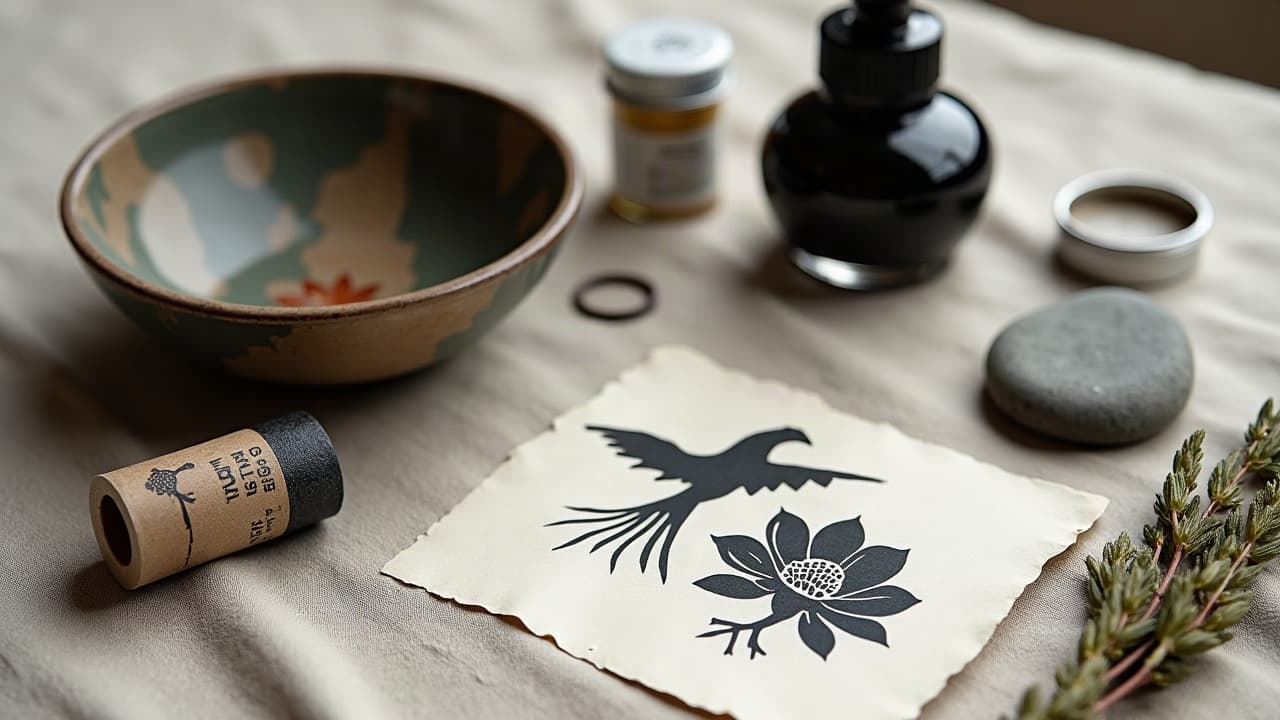
Roughly 32% of U.S. adults have at least one tattoo, and a growing share say their ink marks recovery or survival. That tracks with what artists hear in the chair week after week, stories of resilience turned into lines, shading, and color. Tattoos do not erase what happened, they make room for it in a way the wearer can carry. The result is often a mix of empowerment, grief, pride, and relief that reads as much on the body as it feels in the bones.
Why resilience shows up in ink
There is a practical why behind the poetry. Marking the body with intention can help people reclaim agency after experiences that took it away. In session, the steady sensation, the ritual of breathing, and the shared focus with your artist create a container for difficult memories. Globally, about 1 in 8 people live with a mental health condition, and many describe tattoo sessions as a structured moment to honor survival rather than hide it. Tattoos also serve as cues for coping. Seeing a phoenix, semicolon, or date each morning can prompt the same grounded thought you set when you chose the design. Over time, those cues stack into habits, like wearing a ring from a loved one or repeating a mantra before a hard day. Resilience is not a slogan, it is practice you can see. For the practical side, think of a tattoo as controlled skin injury that the body will repair across a healing window of 14–30 days, then remodel for months. That timeline makes aftercare more than aesthetics, it is part of tending to your story too.
Citations: Pew Research Center, World Health Organization.
Lineages of healing tattoos across cultures
Across cultures, tattooing has long served as protective, commemorative, and community-binding practice. The point is not to borrow sacred motifs as trends, it is to understand how people have always made meaning on skin. Here are living traditions many artists reference with care, permissions, and mentorship when appropriate.
- Inuit Kakiniit and Tunniit mark life passages, family, and resilience through cold and scarcity, lines that travel the face and hands with community consent and deep matrilineal instruction.
- Sak Yant in Thailand, hand-poked with prayers, are understood as protection and discipline rather than decoration. Receiving one typically involves a monk or ajarn and ritual protocols.
- Polynesian pe’a and malu encode genealogy, duty, and endurance. These are not flash. They are earned with community support and specific cultural knowledge passed by tufuga or matai.
- Kalinga batok in the Philippines, revived by elders and apprentices, mark bravery and rites. Contemporary wearers work with culture-bearers to avoid extraction and keep the practice alive.
- Amazigh (Berber) tattoos historically signaled identity, healing, and protection. Modern Amazigh artists are documenting meanings so descendants can reclaim motifs with accuracy and pride.
If you are not part of a culture, choose alternatives that honor without copying. Abstract geometry, flora local to your home, or a symbol you create with your artist can carry the same cultural significance of tattoos healing without appropriation. If you are exploring identity within your own culture, ask elders and seek artists who are embedded in that lineage.
From scar to story, cover-ups and paramedical work
Cover-up and paramedical tattooing translate resilience into technique. Skilled artists rebuild areola color after mastectomy, blend stretch marks, disguise burns, or repattern self-harm scars with designs that feel sustainable. Scar tissue can be unpredictable, so plan more sessions and gentler passes. Studies report 6–10% of tattoos have short-term complications and a smaller share develop chronic reactions, so you want an artist who understands skin biology and has a conservative approach to compromised tissue. Red pigments are more likely to cause allergic reactions, and black ink remains the least reactive for most people. Inks are not clinically approved the same way drugs are, which is why patch testing and aftercare are critical.
- Bring clear photos and a realistic brief. Ask to see healed examples over scars, not just fresh work. Healed pictures tell the truth about texture and retention.
- Expect layered sessions. Scar camouflage often uses sheer tones and stippling across multiple visits to avoid trauma and blowout on delicate tissue.
- Discuss numb options cautiously. Topicals like TKTX reduce sensation, but vasoconstriction can alter how ink settles. Your artist will calibrate passes accordingly.
- Use breathable film dressings such as Saniderm or Derm Shield for the first 24–72 hours to reduce friction and contamination in high-movement zones.
- Prioritize gentle aftercare, fragrance-free and petrolatum-light. Think Bepanthen, Aquaphor, Hustle Butter, or Mad Rabbit (non-sponsored examples) while monitoring for irritation.
Citations: JAMA Dermatology, American Academy of Dermatology, U.S. FDA on tattoo inks.
Choosing symbols that hold up over time
Your design should work visually at three distances, across decades, and through life changes. Resilience motifs that age well tend to be high-contrast, structurally simple, and rooted in your story. A phoenix is obvious but effective when customized with your real horizon line or birth flower. A semicolon can be woven into a plant stem or punctuation constellation that only you decode. The lotus reads clearly in black and gray with negative-space petals. Kintsugi-style linework, where cracks are highlighted instead of hidden, works beautifully as a cover-up metaphor.
- Budget for meaning, not square inches. A thoughtful small piece can run $150–$500 depending on city and artist, with larger multi-session projects at $900–$2,000 and up.
- Test motifs in different styles, like fine line versus neo-traditional. If the symbol still reads at arm’s length, it likely will age with you.
- Write a two-sentence intention you could read to a trusted friend. If the design supports that message without explanation, you are on track.
If you are shaping a sensitive narrative, pre-visualization helps. Our piece on tattoo aftercare emotional support guidelines covers the headspace around healing. For color choices that respect melanin and reduce risk of disappointment, see our tattoo guidelines for different skin tones.
Placement, pain, and agency
Placement is the loudness knob. A wrist or clavicle piece broadcasts your message daily, a rib or thigh keeps it intimate. If your story involves touch-based trauma, choose zones you feel safe being seen and handled, then set boundaries around who watches or photographs the session. On pain, most people describe soft outer-arm tattoos as 3–5/10, inner bicep and ribs as 7–9/10, and ankle, sternum, and knee ditch as spicy for their size. Good prep matters more than being “tough.” Hydrate, eat, and consider a numbing cream plan if needed. After, expect redness, swelling, and tenderness for 24–72 hours, with superficial healing in 2–4 weeks and full settling over months.
- Gentle starts: outer forearm, calf, and upper outer arm typically rate 3–6/10 and heal cleanly thanks to lower friction and fewer nerve clusters.
- Private placements: ribs, sternum, and inner arm invite higher pain ratings but allow hidden storytelling. Schedule extra breaks and consider smaller passes.
- Reclamation zones: scars, stretch marks, or mastectomy areas require specialized artists and slower work. Prioritize practitioners with paramedical portfolios and healed photos.
Citation: Cleveland Clinic.
Planning the session when the story is heavy
The difference between cathartic and overwhelming is preparation. Tell your artist as much or as little as you want, but do share the practicals: you may cry, need breaks, or prefer minimal small talk. Build a consent plan together, like a hand tap to pause. Pick music you can breathe to. Map your glucose and caffeine so you are steady, not shaky. Bring a friend if that feels right, or choose a private booth and a quiet morning slot.
- Pre-brief by email. Share triggers, pronouns, seating preferences, and whether you want updates or quiet focus during lining and shading.
- Set a safe word and interval breaks. A five-minute pause every 45–60 minutes keeps circulation and emotions regulated without stalling momentum.
- Pack comfort. Hoodie, snacks with protein and carbs, water, and headphones. Small rituals make a long sit manageable and remind your body you are in charge.
- Agree on numbing. Products like TKTX can help, but they change skin feel and timing. Align expectations so the session pacing still feels safe.
- Use a breathable barrier film like Saniderm or Derm Shield for the first day to reduce friction leaving the studio.
- Book a follow-up check. A quick healed review reinforces aftercare, catches issues early, and lets you process the meaning after the adrenaline fades.
Aftercare that supports healing, not just skin
Skin heals on its own timeline, so resist the urge to overdo it. Keep the tattoo clean with lukewarm water and fragrance-free soap, pat dry, and apply a thin layer of gentle ointment. If you used a film, switch to light moisturizers after removal. Avoid pools, hot tubs, and sun while the epidermis closes. Emotionally, many people feel a dip a day or two after the session as adrenaline drops. That is normal. Pair skin care with support, whether texting your circle or journaling what the piece means now that it exists in the world. Superficial healing typically takes 2–4 weeks, with full settling in color and texture up to 8–12 weeks. If you suspect infection or allergic reaction, contact your artist and a medical professional promptly.
- Light, unscented moisturizers like Bepanthen, Aquaphor, Hustle Butter, or Mad Rabbit keep flaking manageable without clogging pores (non-sponsored examples).
- Sleep in clean, breathable fabrics. Avoid tight waistbands or high-friction seams across fresh work to prevent scabbing and color loss.
- Bookmark our tattoo aftercare emotional support guidelines for check-ins during the first two weeks.
Citation: Cleveland Clinic.
Community, visibility, and respect
You decide who gets access to your story. Some people publish a healed photo with a caption that names the storm they survived. Others keep the meaning private, sharing only with a partner or therapist. Both are valid. If you do share, credit your artist, note content warnings if relevant, and be mindful about inviting commentary on a sensitive subject. If your piece borrows from a culture you belong to, consider adding resources for others to learn. If you do not, skip sacred motifs and create your own vocabulary. For a look at how representation shapes meaning, see our article on the evolution of female representation in ink. Over time, visibility builds body art resilience at the community level too, normalizing survival and honoring complexity.
Ready to translate your story into lines that last? Generate a concept and virtually try it on before you book. Use AI for Tattoo to create a design you can refine with your artist, or try on placements until the meaning and fit feel right.
Try AI for Tattoo Free