
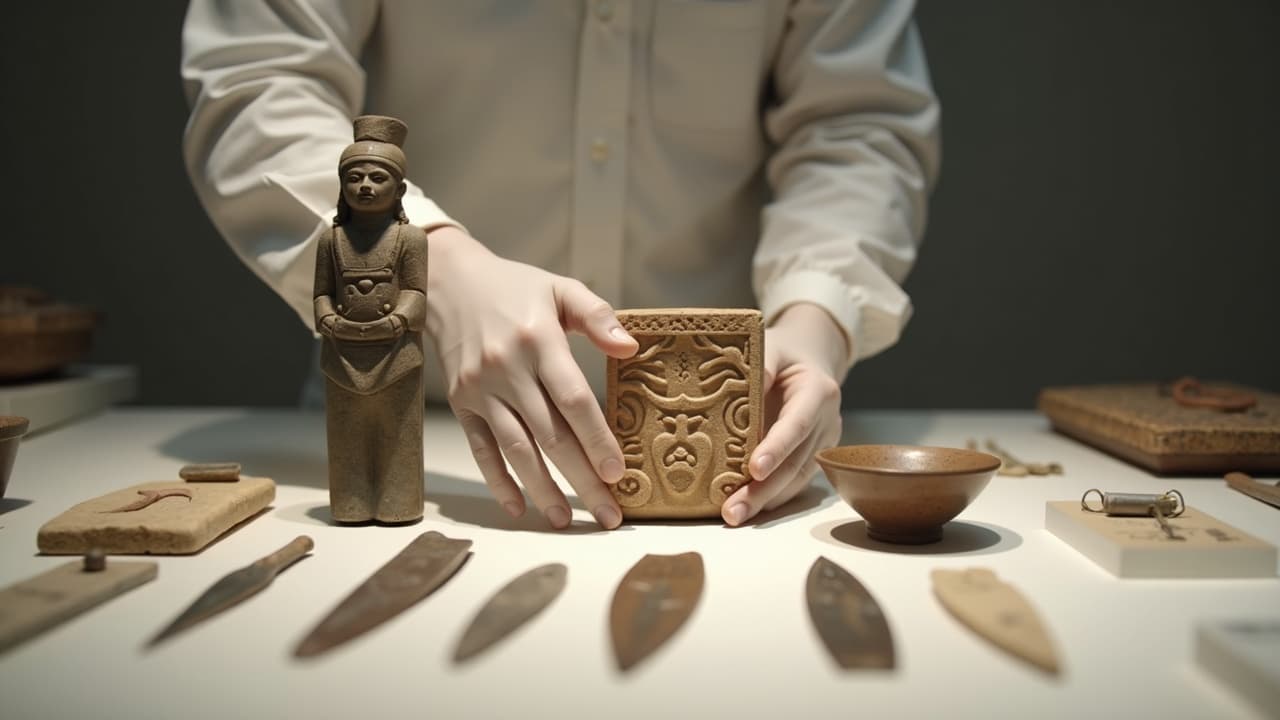
Ink on skin outlives empires. In the Siberian Altai, Pazyryk mummies wear curving deer and feline tattoos dated to the 5th to 3rd century BCE, while colonial-era accounts and artifacts suggest Mayan and Aztec tattooing tied to ritual, identity, and rank. If you want to build a historically grounded tribal piece, you need to separate what we know from what we guess, then translate it into a design that reads clearly on modern skin.
What we actually know, and what is inferred
Evidence for Iron Age tattoos is direct. The Pazyryk burials in the Altai preserve skin with spiraling animal-style motifs that still show line weight, placement, and flow. Coverage clusters over shoulders, arms, and thighs, with nested compositions that wrap joints for movement. Evidence for Mayan tattoos and Aztec tattoos is more mixed. Skin rarely survives in humid Mesoamerican climates. Our data comes from figurines, codices, stone reliefs, and Spanish chroniclers like Sahagún who described body marking in ritual contexts. Scholars debate where painting and scarification end and tattooing begins, so any modern take needs humility and clear sourcing. For accessible overviews, read the Pazyryk coverage at Smithsonian Magazine and baseline cultural notes from Encyclopaedia Britannica. When you translate past practices to current skin safety, defer to medical sources like the Cleveland Clinic and pigment guidance from the [FDA](https://www.fda.gov).
Mayan tattoos, rites, and visual language
Across Maya regions, body modification signaled status, devotion, and life stage. Written and sculpted images show animals and deities tied to lineage and power, while colonial texts describe ritual marking that could include tattooing alongside scarification and paint. Commonly referenced motifs include the jaguar for power, the serpent for rebirth and sky-earth connection, and deity attributes like feathered headdresses or shell elements. Placement likely appeared on forearms, chest, shoulders, and sometimes face in ceremonial contexts. Expect dense patterning around joints and strong bilateral symmetry. For a modern piece that honors this, prioritize repeating geometry around a totemic figure, keep negative space intentional, and avoid random mashups that collapse distinct city-state styles into a generic look. If you want a richer foundation before sketching, scan our broader context piece, Tribal tattoo culture and modern interpretations.
Aztec body marking, war societies, and sacred codes
For the Mexica, known commonly as Aztecs, codices and chroniclers document body paint, ritual scarring, and likely tattooing connected to warfare, festivals, and deity veneration. Warrior societies are frequently symbolized by animals, especially the eagle and jaguar. Glyphic elements, flint blades, and fire serpent iconography amplify martial meaning. Visual grammar skews angular and rhythmic, with repeating motifs that read well from a distance. If you are designing a modern Aztec-inspired piece, build around a central deity or warrior totem, then rim it with glyph bars or stylized flora. Keep line weights consistent and use bold black to anchor negative space, since older murals and codex art favor clear silhouette over micro-shading. For deeper iconography references, museum collections like the Met and editorial primers at Britannica help ground choices, but do not copy sacred emblems you do not fully understand.
Iron Age tribal tattoos, Pazyryk animal style and beyond
The Pazyryk mummies give us a rare, high-resolution snapshot of Iron Age tattoos. Designs feature curled-antler deer, predatory cats, rams, and griffins, all interlocked with tendril-like fillers. Lines are decisive, spacing is deliberate, and flow is king. On arms and shoulders, motifs turn with the limb so the animal reads forward in motion. On thighs and hips, large anchors balance with smaller satellites for rhythm. Function likely mixed status, totemic protection, and kinship marks. Tooling was probably hand poke with bone or metal points and soot-based pigments bound with fat or plant liquids. This is a style you can responsibly adapt by respecting scale and flow, then swapping in fauna tied to your own lineage or environment rather than borrowing sacred animals wholesale. A good visual explainer sits at Smithsonian Magazine, and conservation reports often reference the same burial assemblages.
Tools, pigments, and technique differences
Across these cultures, technique tracked available materials. Mesoamerica had abundant obsidian, bone, and thorns for puncture or incision. The Eurasian steppe offered bone, bronze, and iron points. Pigments vary, but carbon black from soot or charcoal is a cross-cultural constant for durability. Reds could derive from iron oxides or organics that do not preserve well. Modern pigments are manufactured and may carry different risk profiles. For safety details and regulatory status, consult the [FDA guidance on tattoo inks](https://www.fda.gov) and clinical summaries in [JAMA Dermatology](https://jamanetwork.com/journals/jamadermatology).
- Maya and Aztec: likely hand-poked with thorns, obsidian splinters, or bone. Pigment base typically carbon black. Designs guided by deity and animal symbolism from codices and relief sculpture.
- Pazyryk and related steppe groups: hand-poked with metal or bone points. Soot-fat inks. Flow-driven animal style with spiral joints and mirrored symmetry across the body.
- Modern studio translation: use single-needle to 9RL liners for line priority, add 3RS to 7RS for soft fills, and reserve whip shading sparingly to preserve historical silhouette.
Placement, pain, and healing, then versus now
Historical placements cluster on upper arms, chest, shoulders, thighs, and hips, areas that move well and broadcast status. Those placements today sit in the 3 to 6 out of 10 pain range for most clients. Ribs, sternum, and knee pits climb to 7 to 9 out of 10 if you push the envelope. Large projects mean multi-session planning and consistent aftercare. For healing, plan 5 to 10 days for surface settling and 4 to 6 weeks for deeper layers. Use breathable barriers for the first 24 to 72 hours if you like films, then switch to light emollients. Product examples many studios trust include Saniderm, Bepanthen, Aquaphor, Hustle Butter, and Mad Rabbit (non-sponsored examples). For medical basics on cleaning, moisture control, and infection red flags, lean on [Cleveland Clinic aftercare guidance](https://my.clevelandclinic.org). If a client has a history of pigment reactions, especially to reds, suggest a patch test and share clinical risk summaries from [JAMA Dermatology](https://jamanetwork.com/journals/jamadermatology).
Symbol translations that still read on skin
Meaning migrates across centuries only if the visual grammar holds. Use core animals and glyphic shapes as anchors, then compress detail into silhouette-friendly forms so they survive time and sun. Keep line weight consistent and prioritize contrast. If you need a primer on working with cultural symbolism outside this article, our Polynesian symbolism guide shows how to approach motifs with respect and clarity.
- Maya: jaguar for power and rulership, serpent for rebirth and sky realms, shells for water and trade. Frame with stepped fret patterns and balanced bilateral layouts.
- Aztec: eagle for the sun and warrior ascent, fire serpent for sacred fire and battle, flint for sacrifice and fierce speech. Build with glyph bars and bold negative space.
- Pazyryk: stag with curled antlers for vitality, gryphon for liminal protection, snow leopard-like cats for predation. Use spiral joints and mirrored pairs for motion.
Ethics, accuracy, and what not to copy
You can appreciate, study, and be inspired without lifting sacred identifiers or mislabeling motifs. Avoid copying funerary markings or priestly regalia. If a symbol is still used in living traditions, ask a cultural expert or choose a different anchor. Always credit your sources and state your intent in the consult. For a wider ethical frame and how living communities define permission, start with our guide on eligibility and respect in indigenous tattooing, including Māori tā moko and kirituhi.
Building a respectful design plan today
Translate research into a clean brief. Pick one cultural spine per project to avoid visual drift. Define motif hierarchy (hero, secondary, fillers), body flow (how it moves on joints), and technical plan (needle sets, session count, aftercare). Budget realistically. Historically detailed blackwork sleeves often run $150 to $250 per hour in major cities, with 12 to 20 hours for a half sleeve and 25 to 40 hours for a full sleeve depending on body size and detail. Confirm aftercare, sun strategy, and touch-up windows up front. For pigment safety and client education, share consumer-facing summaries on tattoo ink oversight at the [FDA website](https://www.fda.gov).
- Reference stack: at least two museum or academic sources per motif, plus a clinical source on healing. Keep a notes page with dates and titles for transparency.
- Draft silhouettes first, then test wraps on a 3D arm or thigh template. Prioritize readability at 2 meters and under mixed light.
- Lock placement and flow before ornament. Add fillers only where they support motion, not to cram empty space.
Previewing flow beats guessing. Use AI for Tattoo to sketch a Mayan, Aztec, or Iron Age-inspired composition on your actual body photos, then fine tune line weight and wrap before booking. Generate concepts at Create and test placements with our virtual try-on.
Try AI for Tattoo Free