
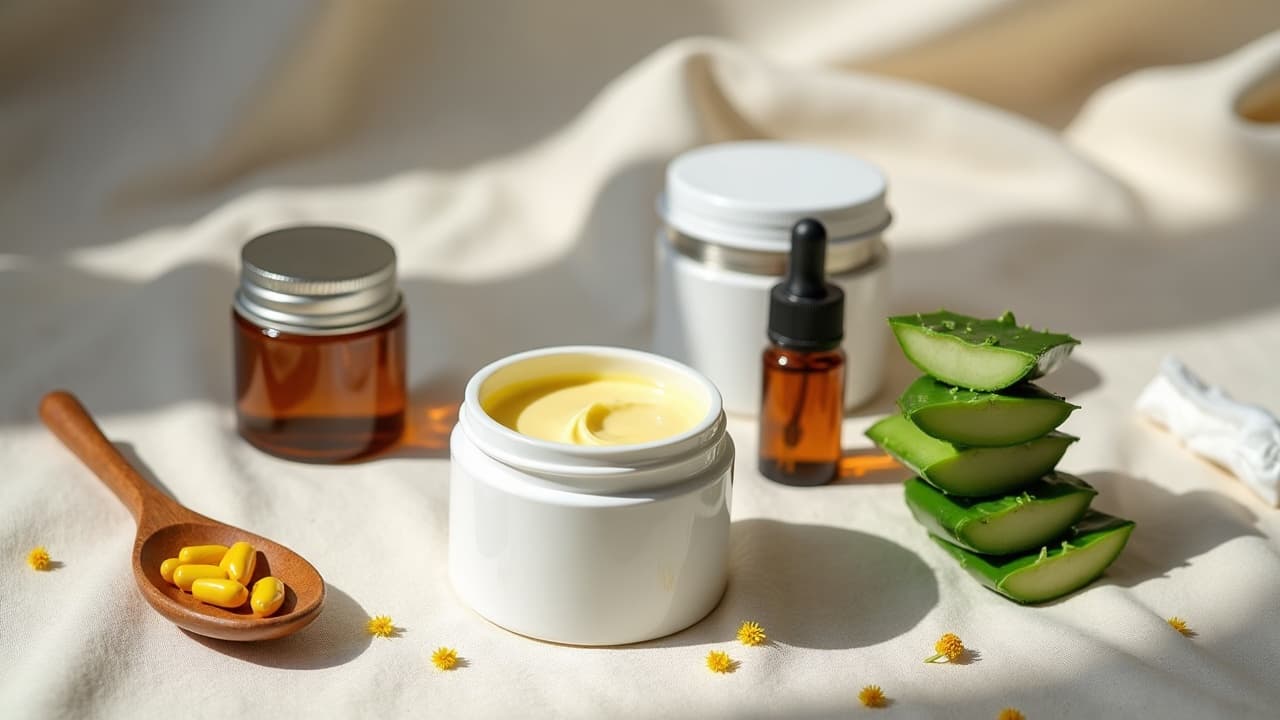
A new tattoo is a controlled wound for roughly 2–4 weeks, so the moisturizer you choose directly affects how it heals and how bright it stays. The core rule is simple, keep it clean, then lay down a light, breathable film that prevents cracking and flaking without suffocating the skin. That balance matters more than brand loyalty or scent.
Why moisturizer choice matters for healing
Tattoo needles create thousands of microchannels in the epidermis. Early on, your barrier leaks water fast, a process called transepidermal water loss (TEWL). If the skin dries and tightens, micro-scabs thicken, lines look fuzzy, and itching spikes. The right moisturizer lowers TEWL, keeps the top layer flexible, and helps pigment settle evenly.
Go too heavy, and you trap heat and sweat under a slick coat that can macerate the skin. Go too light, and flakes pop up that you want to scratch. Aim for a light, breathable film, not a shiny glaze. Dermatology organizations emphasize simple, fragrance-free care while the tattoo heals, along with consistent moisturization and sun protection, which aligns with guidance from the American Academy of Dermatology.
Ingredient playbook: what to look for
Think in three layers of benefit. Humectants pull water in, emollients smooth and soften, occlusives slow evaporation. Balanced formulas use all three, plus a soothing agent for the angry first week. These are the green-flag ingredients I look for on labels.
- Humectants for hydration: glycerin and hyaluronic acid bind water to the skin surface. They keep flakes flexible and reduce tightness without greasiness.
- Emollients for glide: squalane, caprylic/capric triglyceride, and shea butter soften edges so ointments spread thinly and evenly over linework.
- Occlusives for protection: petrolatum or dimethicone 1–2 percent slow water loss so color heals smooth, not chalky or cracked.
- Barrier repair support: ceramides help restore the lipid matrix that holds cells together, useful in week two when itching peaks.
- Soothers for the angry phase: panthenol (pro‑vitamin B5), colloidal oatmeal and allantoin calm sting and reduce urge to scratch.
- Antioxidant assist, used lightly: vitamin E (tocopherol) can support barrier lipids, but keep it simple if you are allergy prone.
You do not need a 30-ingredient cocktail. Two or three of the bolded ingredients plus neutral emollients is plenty. For evidence on how occlusives and moisturizers reduce TEWL and support healing, see skin care guidance from the Cleveland Clinic.
What to avoid on fresh ink
Skip anything that raises your risk of irritation or allergy during the first 14 days. A clean formula matters more than a trendy one. If a product stings, burns, or looks glossy-wet an hour later, it is probably wrong for day one skin.
- Fragrance and essential oils increase contact dermatitis risk, especially on broken skin. Dermatology groups regularly flag fragrance as a common cosmetic allergen.
- Antibiotic ointments like neomycin/polymyxin/bacitracin can trigger allergy in some people, which complicates healing. The Mayo Clinic notes neomycin is a frequent sensitizer.
- Alcohol denat and harsh astringents dry the wound edge, leading to thicker scabbing and more itch.
- Active acids and retinoids (AHA, BHA, PHA, retinol) and benzoyl peroxide disrupt healing and can fade pigment.
- Lanolin is great for some lips, not great for fresh tattoos if you have wool allergies or sensitivity.
- Petroleum jelly in thick layers can occlude too much during the first sweaty days. Thin applications of petrolatum-based ointment are fine, just avoid suffocation.
If you have a history of eczema, fragrance or preservative allergies, or previous reaction to ointments, keep a shortlist of very simple products and patch test on healed skin first. For more on allergy risks around ink and aftercare, see our tattoo allergy guide.
Best-in-class moisturizers by healing stage
Match texture to the stage of healing. Your goal shifts from protection in the first 72 hours, to itch control and flake management in week one and two, then long-term color maintenance by week three. Prices vary by region, but the ranges below are realistic retail.
- Days 0–3, light occlusion: Thin-film ointments like Aquaphor Healing Ointment, CeraVe Healing Ointment, or Bepanthen balance petrolatum and humectants. Expect $8–$18 for medium tubes (non-sponsored examples).
- Days 4–14, breathable creams and gels: Vanicream Moisturizing Cream, Eucerin Advanced Repair, Aveeno Skin Relief Oat Gel, or Mad Rabbit Soothing Gel keep moisture steady without shine. Expect $10–$25 (non-sponsored examples).
- Weeks 3+, maintenance lotions: Lubriderm Daily Moisture Fragrance Free, La Roche-Posay Lipikar AP+, or CeraVe Daily Moisturizing Lotion support barrier over time. Expect $9–$22 (non-sponsored examples).
- For adhesive bandage users: If you heal under a film like Saniderm, you usually skip moisturizers until removal, then switch to a light cream. Confirm timing with your artist.
Two pro tips here. First, ointments only need a whisper-thin coat, you should not see thick shine. Second, if your lotion pills or looks chalky on the lines, add a drop of squalane or switch to a cream with ceramides and glycerin.
Ointment vs lotion vs butter vs gel
There is no single best texture for every body and climate. Use this framework to dial in your pick. If you live in a humid place or sweat easily, avoid heavy balms in week one. If you live in a dry, cold climate, avoid thin body milks that evaporate fast.
- Ointment, highest protection: Petrolatum or petrolatum plus mineral oil. Best for days 0–3 or very dry climates. Apply thin, 2–3 times daily, never a thick coat.
- Cream, balanced: Water plus oils plus emulsifiers. Great for days 4–14. Look for ceramides, glycerin, and dimethicone on labels.
- Lotion, lighter: More water, less oil. Good for healed maintenance, not ideal on day one unless skin runs oily or humid climate.
- Butter, rich: Shea or cocoa butter. Fine for healed skin or tiny tattoos. On fresh ink it can be too occlusive if layered thickly.
- Gel, fast-absorbing: Water gel with hyaluronic acid or aloe. Useful for hot weather or sensitive clients who dislike residue in week one.
If you are unsure, start with a small tube of ointment for day one and a mid-weight cream for days four onward. This two-product setup covers most people without overthinking it. For more skin care context around tattooed skin, see our essentials guide.
Application technique that actually works
The right product used the wrong way still causes problems. Think small amounts, clean hands, gentle washing, and consistent frequency. You should never need to peel scabs or scratch. If itches spike, cool compresses and a better moisturizer choice usually fix it.
- Wash gently with unscented soap and lukewarm water, then pat dry with a clean paper towel before moisturizing.
- Use a pea-size per 3x3 inch area. Warm it between fingertips, then glide on so it leaves a soft satin, not a slick shine.
- Moisturize 2–3 times daily in week one, then 1–2 times daily as flakes reduce. More is not better if the skin looks soggy.
- Hands off: do not pick flakes. If a corner lifts, add a touch of panthenol or colloidal oatmeal cream to soften, then let it shed on its own.
- Clothes and workouts: choose breathable fabrics and rinse sweat promptly. Reapply a thin layer after showering or heavy sweating.
- Under adhesive films: follow your artist’s protocol. Usually no moisturizer under the first bandage, then a switch to light cream after removal.
SPF and long-term hydration to keep color bright
Hydration does the early work, sunscreen does the lifelong work. UV breaks down ink particles and fades black to blue gray faster than anything. Use SPF 30+ broad spectrum on healed tattoos whenever they see daylight. The FDA outlines what broad spectrum means, protection from both UVA and UVB when labeled correctly, see the FDA sunscreen information.
- Mineral screens for sensitive skin: zinc oxide and titanium dioxide formulas like Blue Lizard Sensitive or EltaMD UV Clear sit well over healed ink. Expect $15–$38 (non-sponsored examples).
- Comfortable daily options: La Roche-Posay Anthelios Melt-In Milk or Neutrogena Ultra Sheer feel weightless, so you will actually use them. Expect $10–$30 (non-sponsored examples).
- Reapply every 2 hours outdoors and after swimming or sweating. On heavily tattooed arms, a UPF sleeve plus sunscreen is a smart habit.
On maintenance days, pair sunscreen with a simple lotion rich in glycerin or hyaluronic acid. For science-backed basics on humectants and moisturizers, see plain-language coverage from Healthline and product comparisons at the Cleveland Clinic.
Allergy and irritation troubleshooting
A normal heal includes light weeping in the first day, mild redness, and flaking by days 3–7. Watch for warning signs like rapidly spreading redness, itchy red bumps, yellow crust, or oozing that smells odd. Those can signal allergy or infection, which need different responses.
- Possible allergy: burning after application, rash beyond the tattoo, or hives. Stop the product, rinse gently, and switch to a very simple cream like Vanicream.
- Possible infection: fever, severe swelling, pus, or red streaking away from the tattoo. Seek in-person care. Do not self start antibiotic creams without guidance.
- Patch test future products on healed skin for 24–48 hours before using on a new piece.
- If you react to several products, look for formulas free of fragrance, lanolin, MI/MCI, and common antibiotics. The Mayo Clinic has accessible overviews of contact dermatitis.
If you need a deeper dive on ink and sensitivities, bookmark our tattoo allergy guide. Also remember that many new-tattoo itches are simple dryness. Increase frequency and choose a cream with ceramides and panthenol before assuming the worst.
Budget, cruelty-free, and vegan picks that still heal well
Great aftercare does not have to be expensive or exotic. What matters is a fragrance-free, humectant-rich base with light occlusion. You can absolutely build an ethical or vegan kit that performs on par with legacy pharmacy brands.
- Budget pharmacy standouts: CeraVe Healing Ointment, Vanicream Cream, Eucerin Advanced Repair. All are reliably available and usually run $8–$18 per tube (non-sponsored examples).
- Cruelty-free favorites: Hustle Butter Deluxe and Mad Rabbit Soothing Gel. Both focus on plant emollients and soothing agents, typically $15–$30 (non-sponsored examples).
- Vegan options: Hustle Butter Deluxe is vegan despite the name, and many ceramide creams are vegan by default. Check labels for lanolin if you avoid animal byproducts.
- Minimal-ingredient route: plain petrolatum or 100 percent squalane under a simple cream can be kinder to reactive skin than complex blends.
If you want a primer on how moisturizer fits into your whole tattoo care stack, including cleansers and SPF, check out our essentials guide. And for technique design work you are excited to protect, explore meaningful first-tattoo planning.
Ready to protect a design you love? Generate it first, then try it on your skin under real lighting so you know what you are healing for. Build your concept with AI for Tattoo Create, then preview placement with virtual try-on.
Try AI for Tattoo Free