
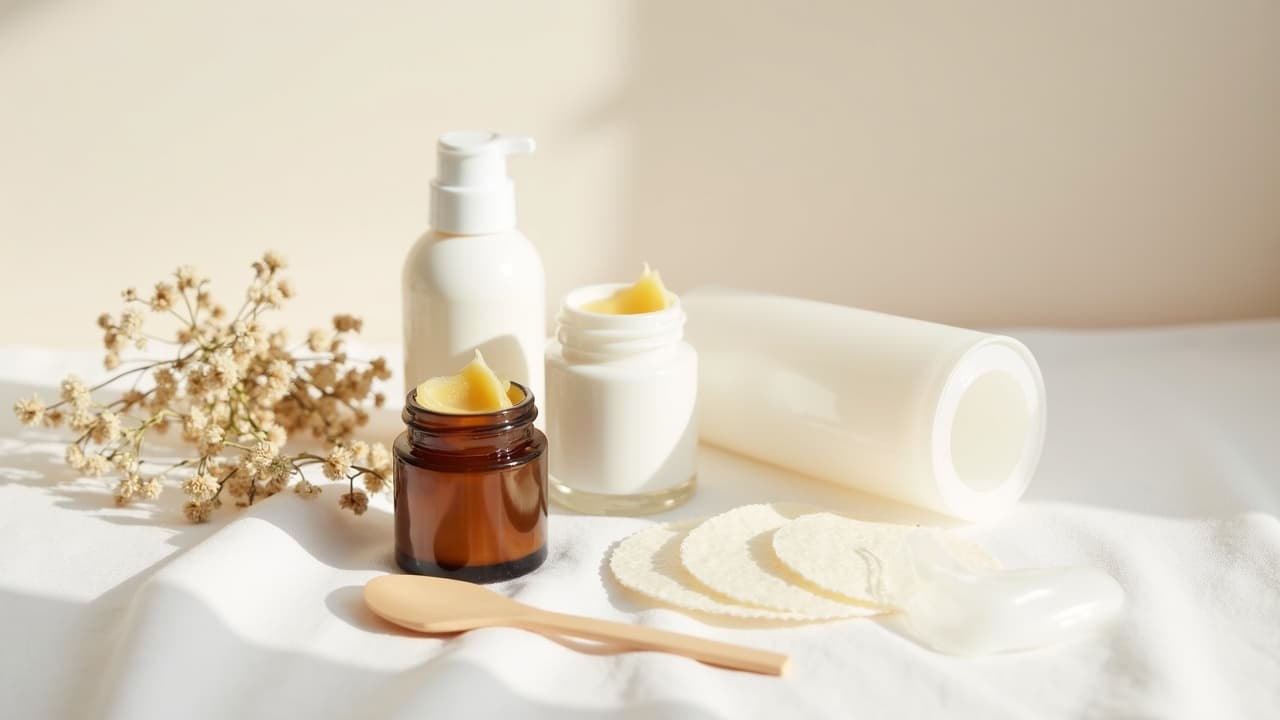
Most tattoo reactions I see in studio are not ink problems, they are product problems. Swap one ingredient and a client with sensitive skin goes from itchy and angry to calm and glassy in 48 to 72 hours. The fix is rarely fancy, it is almost always fragrance-free, simple, and breathable. Here is a working tattooer’s shortlist of what actually plays nice with reactive skin, when to use each category, and how to troubleshoot without sacrificing your new ink.
Sensitive Skin 101 for Fresh Tattoos
Sensitive skin is not a diagnosis, it is a pattern. Common triggers are fragrance, essential oils, lanolin, and some topical antibiotics. Fresh tattoos are open wounds, so even mild irritants can snowball. The American Academy of Dermatology notes that people with sensitive skin do best with products labeled fragrance-free and minimal-ingredient formulas, especially during wound healing. See the American Academy of Dermatology guidance for background on sensitive skin care.
Your goals in week one are straightforward: cleanse away plasma, reduce friction, and maintain a light occlusive barrier so the skin does not dry-crack. After the initial ooze phase, switch to lightweight moisturizers that support the barrier without clogging. Keep sun off the tattoo until fully healed, then commit to broad-spectrum SPF 30+ daily. For general medical context on infection signs and wound care timelines, review the Cleveland Clinic’s consumer resources on tattoos and skin healing at the Cleveland Clinic and practical aftercare overviews from Healthline.
Ingredients: What to Use and What to Skip
For reactive skin, fewer moving parts means fewer surprises. Reach for petrolatum or dimethicone occlusives, and moisturizers with ceramides, cholesterol, and hyaluronic acid. Skip perfumes, menthols, and botanical mixes during the first 10 to 14 days.
- Use: simple petrolatum-based ointments, or ceramide creams labeled fragrance-free and dye-free.
- Use: pH-balanced gentle cleansers, not bar soap. Look for sulfate-free surfactants.
- Avoid: essential oils, fragrance, lanolin if you are lanolin sensitive, and heavy beeswax balms early on.
- Avoid: Neomycin or bacitracin antibiotic ointments, common causes of contact dermatitis according to the AAD and consumer health sources like Healthline.
- Be cautious: thick butters with lots of plant extracts. They can be great at week 3, not day 1.
If you have a history of adhesive or antibiotic allergies, flag it for your artist. When in doubt, patch test a pea-sized amount on the inner arm for 24 hours before putting anything across your new tattoo.
Best Cleansers for the First Week
Cleansing is simple: lukewarm water, fingertip pressure, no washcloths. Wash 2 to 3 times daily the first 3 to 5 days as plasma weeps, then drop to 1 to 2 times daily. Choose low-foam, non-stripping formulas that will not sting. These are gentle staples I see work well for sensitive clients (non-sponsored examples): Cetaphil Gentle Skin Cleanser, Vanicream Gentle Facial Cleanser, CeraVe Hydrating Cleanser, and H2Ocean Blue Green Foam Soap.
- Technique tip: wash palms, then the tattoo, rinse until the skin feels slick and not squeaky.
- Pat dry with a dedicated clean paper towel, not a bath towel that can harbor lint and detergent residues.
- If you react to one cleanser, switch to plain saline or cooled boiled water for 24 hours while you reassess products.
Moisturizers and Healing Balms That Behave
Start with a thin occlusive layer in the oozing phase, then transition to lighter moisturizers. Apply a pea-sized amount, rub between fingertips to thin it out, and glide a whisper layer across the tattoo. Reapply only when the skin looks matte-dry, not every hour.
Well-tolerated picks for sensitive skin, with notes based on studio outcomes and client feedback (non-sponsored examples): CeraVe Healing Ointment (petrolatum base with ceramides), Vanicream Moisturizing Cream (lanolin-free), Aquaphor Healing Ointment (41% petrolatum with lanolin alcohol, great for many but avoid if you are lanolin sensitive), Bepanthen in regions where available (dexpanthenol), Hustle Butter Deluxe and Mad Rabbit Repair Balm after the first week if you tolerate their botanicals.
- Day 0 to 3: very thin petrolatum or ceramide ointment twice daily.
- Day 3 to 10: switch to a light cream like Vanicream or CeraVe, 2 to 3 times daily.
- If shining or sticky, you used too much. Tattoos should look satiny, not glossy.
Second-Skin Films for Sensitive Types
Breathable films, applied right after the session, can be a game changer for tender skin. Brands like Saniderm, Tegaderm, and Dermalize Pro use medical-grade acrylic adhesives and a semi-permeable membrane that blocks water and friction while venting excess moisture. Films reduce early contact with irritants from clothing and bedding.
- Wear time: first piece 12 to 24 hours to capture plasma, then replace with a fresh piece for 3 to 5 days.
- Edge test: cut a small strip and stick to the inner arm for 24 hours if you have adhesive history.
- Removal: peel low and slow under lukewarm water. Do not rip up at 90 degrees.
If you develop itchiness that spreads beyond the film edge, discontinue and switch to the wash plus light ointment routine. For context on adhesives and skin reactions, review consumer safety notes at the U.S. FDA.
Sun Care for Newly Healed, Reactive Skin
No sunscreen on open or peeling tattoos. Once fully healed and smooth, daily broad-spectrum SPF 30+ keeps pigment bright and reduces irritation from UV. Mineral filters are usually friendlier for reactive skin. Look for zinc oxide or titanium dioxide with a short ingredient list.
Client-favorite mineral options that do not leave heavy cast with reasonable layering on tattoos (non-sponsored examples): EltaMD UV Clear SPF 46, La Roche-Posay Anthelios Mineral SPF 50, Blue Lizard Sensitive SPF 30. The AAD recommends broad-spectrum, SPF 30 or higher, and generous reapplication, especially for people with sensitive skin. See the AAD sun protection overview for details.
A Simple 14-Day Routine for Sensitive Skin
Use this as a template and adjust to how your skin behaves. Less is more. Your tattoo should feel comfortable and look softly hydrated, not wet or greasy.
- Day 0: remove the shop wrap at the time your artist recommends, wash gently, apply a thin petrolatum layer.
- Days 1 to 3: cleanse 2 to 3 times daily, thin occlusive after each wash, switch T-shirts daily and swap to clean bedsheets.
- Days 4 to 7: drop to 1 to 2 washes daily, move to a ceramide cream, apply only when matte-dry.
- Days 8 to 14: moisturize 1 to 2 times daily. If fully smooth, optional light balm like Hustle Butter.
- After day 14: once healed, use mineral SPF 30+ daily on exposed tattoos.
Troubleshooting Redness, Itch, and Breakouts
Normal healing includes mild redness at the edges for 24 to 48 hours, light itch by day 3 to 5, and thin flaking. Big warning signs are rapidly widening redness, heat, thick yellow discharge, or fever. For medical red flags and timelines, check consumer education from the Cleveland Clinic or general care primers at Mayo Clinic.
- If itch spikes after a product change, stop the new product, wash with lukewarm water, and switch to the simplest option you tolerate.
- If bumps appear under a film, remove it, wash, and switch to light cream only.
- If you used antibiotic ointment and develop a rash, discontinue. Contact dermatitis to neomycin or bacitracin is common per the AAD.
- Persistent symptoms beyond 72 hours or any systemic signs warrant medical evaluation.
How Much to Buy, What It Costs
You do not need a suitcase of products. A small setup handles most sensitive-skin heals and keeps the ingredient load low. Expect $15 to $60 total for a cleanser, an ointment, a cream, and optional film. Government and medical sources remind consumers that simpler routines reduce risk of reactions and confusion, see the FDA and Healthline for consumer guidance.
- Cleanser: $8 to $15 for 8 to 12 oz. One bottle covers multiple heals.
- Ointment: $6 to $12 for a 1.75 to 3 oz tube. You will use a thin layer, so it lasts.
- Cream: $10 to $18 for 3 to 8 oz. Keep using it after you heal.
- Second-skin film: $10 to $25 for a small roll or a few sheets. Optional, but helpful for friction-prone spots.
Want to go deeper on pairing aftercare with your complexion and climate? Read our skin-type aftercare guide and get familiar with ink selection in how to choose the right tattoo ink for your skin type. Both pair well with the picks above.
Pro Tips From the Chair
- If you are very reactive, bring your own fragrance-free cleanser and cream to the appointment so we can use them from first wash. - Do not layer five products. Pick one cleanser, one ointment or cream, and commit for 72 hours before judging. - Moisturize the surrounding skin, but keep product off the fresh lines when possible in days 1 to 3. - Wear loose, smooth fabrics and avoid wool or rough seams that rub. - If you have a history of adhesive allergy, ask your artist to use gauze and paper tape instead of films on day zero.
Planning a design that sits well with sensitive skin means smart placement and efficient session length. Generate concepts and preview exact sizing with AI for Tattoo before you book. Try the virtual try-on to see how your piece reads on your real skin, then finalize the plan with your artist. Start with Create or preview on you with Try On.
Try AI for Tattoo Free