
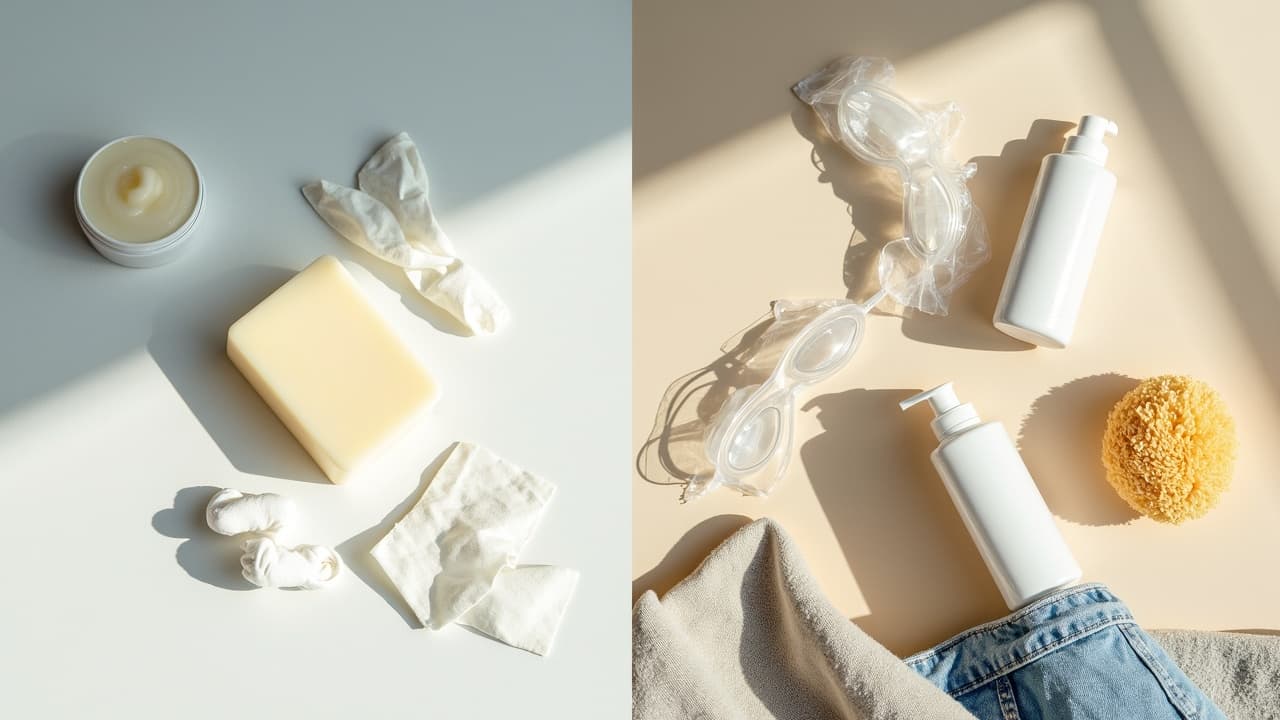
Most blowouts, patchy color, and dull lines trace back to the first 7–14 days after your session, not the artist’s machine. Good aftercare is simple, but common mistakes stack fast: too much ointment, dirty sheets, a “quick” dip in the pool. The fix is not paranoia, it is a short checklist you can actually follow.
Over-washing or Under-washing: The Balance That Prevents Infection
Your tattoo is an abrasion. It needs gentle, regular cleansing to remove plasma and sweat, not marathon rinses. Washing too often strips lipids and slows re-epithelialization, but skipping washes lets grime feed bacteria. A safe target is 2–3 light washes per day for days 1–5, with lukewarm water and a fragrance-free liquid like Dial Gold, Dove Sensitive, or Dr. Bronner’s Baby Unscented (non-sponsored examples). Use your fingertips, then pat dry with a clean paper towel. No washcloths, no loofahs.
- Warning signs you are overwashing: shiny tight skin, persistent stinging after every rinse, raised edges that never settle.
- Warning signs you are underwashing: sticky film by afternoon, clothing adhering to the tattoo, new pimples or odor from trapped sweat.
- Aim for a 30–45 second wash, not a soak. Get in, cleanse, rinse, and immediately move to your next step.
Smothering With Ointment or Skipping Moisture Entirely
The most common error I see is thick, greasy coats that suffocate the skin. Your tattoo needs oxygen. Apply a thin layer so the surface looks satin, not glossy. For most clients, pea-sized amounts spread over a palm-sized area are plenty. Switch from heavier ointments to lighter lotions as peeling starts around days 3–7.
- Good options: Bepanthen, Aquaphor, Hustle Butter, Mad Rabbit balm, or a plain, fragrance-free lotion like CeraVe or Eucerin (non-sponsored examples).
- Avoid petroleum build-up: too much 100 percent petrolatum can trap heat and macerate skin. If your tattoo looks soggy or overly shiny, you are using too much.
- Skip “DIY” oils and perfumes. Essential oils and scented body butters are common irritants that can cause contact dermatitis and slow pigment lock-in.
Peeling, Itch, and the Urge to Pick: How to Leave It Alone
Flakes mean you are healing. Picking them is how you create light patches, especially in saturated color or blackwork. Expect itch levels 4–7 out of 10 from days 3–10. To manage it, hydrate consistently and change your routine, not the skin. Tap around the area, not on it, or chill the skin briefly with a wrapped gel pack.
- Never pull at edges. If a corner of a flake lifts, leave it. It will shed on its own in 24–48 hours.
- Shower timing tip: let warm water soften flakes naturally, then pat dry. Do not rub with a towel.
- Use an anti-itch, fragrance-free lotion in thin passes. Menthol-heavy products can sting and are rarely necessary.
Sun Exposure: The Fastest Way to Fade Fresh Ink
UV is pigment’s enemy, especially in the first 4–6 weeks. Fresh tattoos are photosensitive. Early sun means gray haze on blacks and washed-out color by month two. Cover the tattoo with loose clothing outside. Once skin is fully closed, daily broad-spectrum SPF 30+ is non-negotiable. Mineral formulas tend to sting less on sensitized skin.
For data on UV and skin damage mechanics, see the American Academy of Dermatology guidance on sun protection and tattoo reactions American Academy of Dermatology on tattoo reactions. For practical aftercare routines that match dermatology basics, Healthline’s editors also track evidence-based steps Healthline’s tattoo aftercare overview.
Pools, Oceans, Hot Tubs, and Baths: Why Soaking Is a No
Soaking softens the new epidermis and drives contaminants under the healing layer. Chlorine, salt, and bacteria are a triple hit. Keep it to quick showers only until the skin is sealed, usually 2–4 weeks, longer for large pieces. If you must be near water, dress the tattoo with a waterproof, breathable film like Saniderm or Tegaderm for splash protection, then remove and cleanse right after. Films are not a pass to swim, they are a short-term shield.
- Hot tubs are the worst case: high heat plus biofilm. Even a 5-minute dip can seed infection.
- Ocean water is not sterile. Cuts plus sand friction equal delayed healing and texture changes.
- Long baths prune skin, causing maceration and color lift. Save the soaks for after day 21 on most small-to-medium tattoos.
Friction, Tight Clothes, and Gym Errors
Constant rubbing is a stealthy color thief. Compression leggings, waistbands, and sports bras can create glossy thin spots where pigment did not settle. For the first 7–10 days, wear loose cotton over the area and skip abrasive fabrics. In the gym, prioritize cleanliness over PRs. Wipe benches, avoid floor work that drags your tattoo, and swap sweaty gear immediately.
- Cardio note: light movement is fine. Heavy barbell work that contacts the tattoo is not. Think range of motion without friction.
- Bag protection: a clean, breathable wrap is OK for the commute, but unwrap when you arrive and wash.
- Laundry matters: use a free-and-clear detergent. Fragrance residues can itch and lead to scratching.
Ignoring Early Infection or Allergic Reaction Signs
Most tattoos heal with mild redness and clear plasma for 24–72 hours. Worsening pain, thick yellow-green discharge, or fever are not normal. If redness expands beyond 2–3 cm from the edges after day two, call your artist and consider a clinic visit. Cleveland Clinic’s guidance on wound infection signs is a solid baseline Cleveland Clinic on wound infection signs.
- Possible infection: spreading warmth, increasing swelling after day two, foul odor, red streaking toward the heart.
- Allergic or irritant reactions: pinpoint bumps, intense itch, hives, or delayed redness after a new product. Switch to fragrance-free care and see a professional.
- For ink-specific risks and regulation context, review the U.S. FDA resources on tattoo inks and pigments U.S. FDA on tattoo inks.
If you develop severe swelling, blistering, or systemic symptoms, seek medical attention. When in doubt, your artist should be your first call for triage, but clinicians rule out infection or allergy. The Mayo Clinic maintains accessible overviews of contact dermatitis and sunscreen use that align with tattoo healing basics Mayo Clinic skin health.
Sleeping, Sheets, Pets: Hygiene Pitfalls People Forget
Night one is when tattoos stick to fabric. Prep like you would for a new piercing: clean bed, clean shirt, clean pillow. Switch to fresh sheets and wear a loose long-sleeve or pant layer to prevent accidental scratching. If your tattoo fuses to the fabric, re-wet the area in the shower and let it release. Never rip it free.
- Pet owners: keep dogs and cats off the bed for 7–10 days. Dander plus micro-scratches equals itch and contamination.
- Travelers: bring a clean sleep shirt and a compact soap. Hotel linens vary and may use strong detergents.
- If you use adhesive wraps overnight, change them daily. 72-hour extended wear is fine only with proper sterile technique and clean skin.
Following TikTok Hacks Instead of Proven Protocols
There is a difference between artist-tested routines and viral hacks. Sugar scrubs, hydrogen peroxide, and rubbing alcohol do more harm than good on fresh ink. Peroxide and alcohol damage keratinocytes and slow closure. Stick to sterile saline, gentle soap, and light occlusion when needed. For nutrition that supports skin repair, see our guide to aftercare diet impact.
- Numbing creams like TKTX can be useful before sessions but are not aftercare. Post-tattoo, they can mask warning signs. Use only as advised by your artist.
- Exfoliation belongs weeks later. Any scrub within 14 days risks lifting pigment and creating micro-tears.
- If you see conflicting advice, ask your artist for their written aftercare. Take a photo of it for reference.
When to Ask for a Touch-up vs. When to Wait
Not every light spot is a failure. Some haze clears as the epidermis normalizes over 4–6 weeks. Book touch-ups once healing finishes, not at day ten. Most reputable studios include a free or low-cost touch-up within 3 months. Document what you did for aftercare in case your artist wants to adjust the plan.
If you are debating timing, this deeper primer on longevity and timing will help: see our ultimate touch-up guide. And if you are still in planning mode, prepping smart before the appointment sets you up to avoid half these mistakes. Read how to prepare for an artist consult.
Products, Budgets, and Simple Routines That Work
Good aftercare does not need a suitcase of products. A practical starter kit for a small-to-medium tattoo runs $20–$60 and lasts the full heal. Label your bottles and keep them dedicated to tattoo care to avoid cross-contamination.
- Core kit: unscented liquid soap, fragrance-free lotion or a light ointment, and optional Saniderm/Tegaderm for short-term protection (non-sponsored examples).
- Daily schedule baseline: wash morning and night, add a quick rinse after workouts, moisturize 2–3 times daily in thin layers.
- Sunscreen after closure: SPF 30+ every day on exposed tattoos. Reapply every 2 hours outdoors, or after sweating.
Authoritative resources worth bookmarking as you build your routine: the American Academy of Dermatology for reaction guidance AAD tattoo reactions, Healthline for step-by-step aftercare basics Healthline aftercare, and the U.S. FDA for ink safety and recalls FDA tattoos. These sources keep you anchored to evidence while your artist customizes the plan to your skin and placement.
Previewing and planning decrease mistakes. Use AI for Tattoo to design the exact size and placement you will be caring for, then test it on your body with the virtual try-on. When you are ready, generate a custom-ready stencil in create, and keep your aftercare tight so what you imagined is what you heal.
Try AI for Tattoo Free