
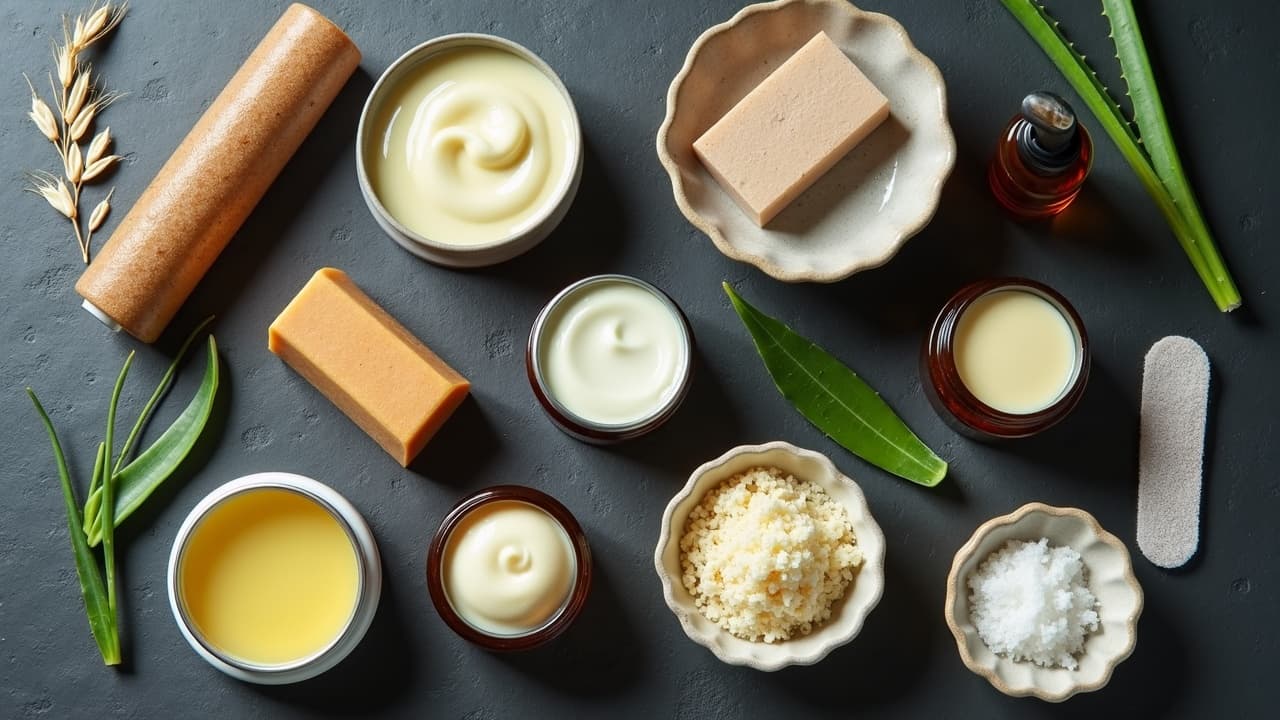
Your skin type is the single biggest variable in tattoo aftercare that most ointment labels ignore. Pick the wrong texture and you risk clogged pores, over-drying, or dull healed color. Match it well and your lines stay crisp, the peel is clean, and itching drops fast.
Why the Moisturizer You Choose Changes How Your Tattoo Heals
Fresh tattoos are controlled abrasions. The top layer needs protection from transepidermal water loss while staying breathable. Occlusives like petrolatum, semi-occlusives like panthenol, and humectants like glycerin all play different roles. The balance you need depends on whether your skin runs dry, oily, or reactive.
Dermatology groups recommend fragrance-free moisturizers to lower irritation risk while the barrier repairs. That is echoed by the American Academy of Dermatology and wound-care advice from the Cleveland Clinic. In practice, many artists start clients on light occlusion for a couple of days, then switch to breathable creams. Think Aquaphor Healing Ointment or Bepanthen early, then lotion like CeraVe or Eucerin as peeling begins (non-sponsored examples).
The First 72 Hours, Universal Moves For Every Skin Type
No matter your skin type, the first phase sets the tone. Keep the initial bandage on as your artist directs, usually 2 to 12 hours, clean with lukewarm water and a gentle, fragrance-free wash, then pat dry. A transparent film like Saniderm or Tegaderm can help if you sweat or work in dusty spaces, because it seals out grime while letting vapor escape.
- Apply a rice-grain thin layer of ointment for 24 to 72 hours, just enough to add a satin sheen, never a glossy wet coat that looks smothered.
- Wash hands before every touch. Clean 2 to 3 times daily with gentle lather, then wait 5 minutes before applying moisturizer so water does not trap underneath.
- Skip heavy petroleum at bedtime if you are a hot sleeper, switch to a lighter cream to avoid sweat build-up and clogged follicles.
- If adhesive films itch or pool plasma, remove in the shower and switch to a cream routine. Do not reapply a new sheet after removal.
- Avoid sunscreens and exfoliants during this window. Add SPF only after the surface looks fully closed, usually after 10 to 14 days.
Aquaphor and similar ointments shine for day 1, but many clients do better switching to lotion by day 3. Health journalists often compare Aquaphor vs. Vaseline for breathability, with lighter formulas favored once oozing slows, as summarized by Healthline.
If Your Skin Is Dry, Feed It Without Smothering
Dry types lose water fast, which shows up as tightness, flaking, and extra itch. After day 1 to 2 on a thin ointment, switch to a ceramide-rich cream that locks in moisture while helping the barrier rebuild. Aim for a texture that leaves a soft, non-sticky finish.
Artist-tested picks include CeraVe Moisturizing Cream, Eucerin Advanced Repair, and Bepanthen cream for daytime, plus a tiny dab of Aquaphor strictly for the itchiest bedtime spots if needed (non-sponsored examples). Apply 2 to 4 times daily during the peel, using a pea to almond sized amount for a palm-sized tattoo.
If Your Skin Is Oily or Acne-Prone, Go Breathable and Non-Comedogenic
Oily skin still needs moisture, but heavy occlusion can clog follicles and create pustules that threaten ink. After the first 24 to 48 hours, switch to a lightweight gel-cream that is labeled non-comedogenic. You want quick absorption with no greasy film.
Good fits include La Roche-Posay Toleriane Fluide, Neutrogena Hydro Boost Gel-Cream (Fragrance Free), or Mad Rabbit Soothing Gel for daytime, then a micro layer of Aquaphor only on visibly dry edges at night if they feel tight (non-sponsored examples). If you see shine and lint sticking, you used too much. Clean, skip a dose, then resume thinner coats.
- Avoid straight coconut oil early on. It is comedogenic for many and can trap sweat around follicles during the peel.
- If you gym daily, cleanse immediately after workouts and reapply a small amount. Sweat under heavy ointment is a recipe for folliculitis.
Combination Skin or Large Tattoos Crossing Different Zones
Half your forearm is dry, the other half gets shiny by lunch. Treat each zone, not the whole piece the same. Use a two-texture approach so the oily parts can breathe while the drier stretches stay cushioned.
Keep a light lotion, like CeraVe Daily Moisturizing Lotion, for the middle and upper forearm, and a richer cream, like Eucerin Advanced Repair or a tiny smear of Hustle Butter Deluxe on the wrist and elbow creases where cracks start first (non-sponsored examples). For color-packing on bony zones, a bedtime pea of shea butter or jojoba oil blend can tame tightness, but keep daytime layers sheer so pores do not clog under clothing.
Sensitive, Reactive, or Eczema-Prone Skin Needs Extra Boring Formulas
When you react to fragrance or certain bases, your moisturizer must be dull on purpose. Patch test on a nearby area for 12 to 24 hours before using it across the tattoo. Watch for stinging that lasts more than a minute or pink halos beyond the design.
Stick to Vanicream Moisturizing Cream, La Roche-Posay Lipikar AP+, or Avene Cicalfate for the peel, and avoid essential oils and menthol completely (non-sponsored examples). The AAD notes fragrance is a top trigger for contact dermatitis, so fragrance-free is non-negotiable for sensitive types, especially on wounded skin, as reinforced by the American Academy of Dermatology. If rashes spread, switch products and talk to a clinician.
- Common irritants to avoid during healing: fragrance blends, limonene, lanolin, tea tree oil, alcohol-heavy gels, and exfoliating acids like AHA or salicylic acid.
- Nickel sensitivity and certain pigment reactions are documented. Read safety notes from the FDA on tattoo inks if you suspect an allergy.
Placement and Climate Change the Rules
An ankle in winter behaves differently from a forearm in July. Friction, sweat, and airflow decide if you need more slip or more breathability. Foot and ankle pieces swell more and rub inside socks, so a slightly richer ceramide cream prevents micro-cracking. Inner arm and chest pieces under clothing need thinner coats to avoid pore clogging.
If you live humid, lean toward light lotions and consider a second-skin film like Saniderm for the first 2 to 3 days to shield from sweat. In dry climates or during winter heating, bump frequency to 3 to 5 applications daily, but still target a satin finish, not shine. For placement planning that respects lifestyle and skin behavior, see how to choose the right placement.
- Desk jobs with long sleeves, go lighter in the morning and top up midday to avoid lint build-up under fabric.
- Outdoor work in wind or cold, carry a travel tube and reapply after every long exposure. Wind strips moisture fast from healing lines.
Red Flags You Picked the Wrong Moisturizer, And Fixes
Clogged hair follicles look like pinpoint whiteheads over the tattoo, often tender. That points to over-occlusion or too much product. Back off to a gel-cream, cleanse with lukewarm water, and let the skin breathe for 12 hours before resuming thin layers. If it does not settle, check with a clinician for folliculitis guidance from sources like the Mayo Clinic.
Burning that lasts several minutes, a bumpy rash beyond the design, or weeping that restarts on day 4 to 7 suggest irritation or allergy. Switch to Vanicream or petrolatum only for 24 hours and reassess. Persistent symptoms or fever need medical care. Review the biggest pitfalls in our aftercare mistakes guide before your next session.
- Shiny, tacky surface for hours after application means too much product. Use half the amount next time.
- Persistent tightness or visible flaking means you need a richer texture or an extra application in the late afternoon.
How Much To Buy, What It Costs, And How Long It Lasts
Most clients overbuy. A 1 to 3 ounce tube covers a forearm piece for the entire peel. Expect $8 to $25 for pharmacy staples, $20 to $35 for boutique balms. Prioritize fragrance-free, clear ingredient lists over branding. Single-use packets are handy for travel but cost more per ounce.
Plan on ointment for the first 1 to 3 days, then cream or gel for another 7 to 14 days, followed by a return to your normal lotion and a strict SPF 30+ habit. Sunscreen waits until skin looks closed. For skin tone and pigment pairing beyond moisturizers, check our guide on choosing tattoo ink for your skin type.
Evidence Corner: What The Medical Sources Actually Say
Medical organizations consistently emphasize gentle cleansing and fragrance-free moisturizers to reduce dermatitis risk while the barrier heals, aligning with the American Academy of Dermatology. Hospital wound-care pages like the Cleveland Clinic echo short-term occlusion with petrolatum while avoiding irritants.
Consumer health reporting at Healthline compares common ointments and highlights when to step down to lotions. For tattoo pigment reactions and allergy context, the FDA maintains safety updates. None of these sources replace your artist's instructions, but they back the boring basics that work.
Healing right keeps color where you want it. Before you moisturize that future piece, generate your design and preview placement with AI for Tattoo. Try a style on your skin with the virtual try-on, then lock the look with a crisp stencil from create. If you want idea fuel first, browse live references in explore.
Try AI for Tattoo Free