
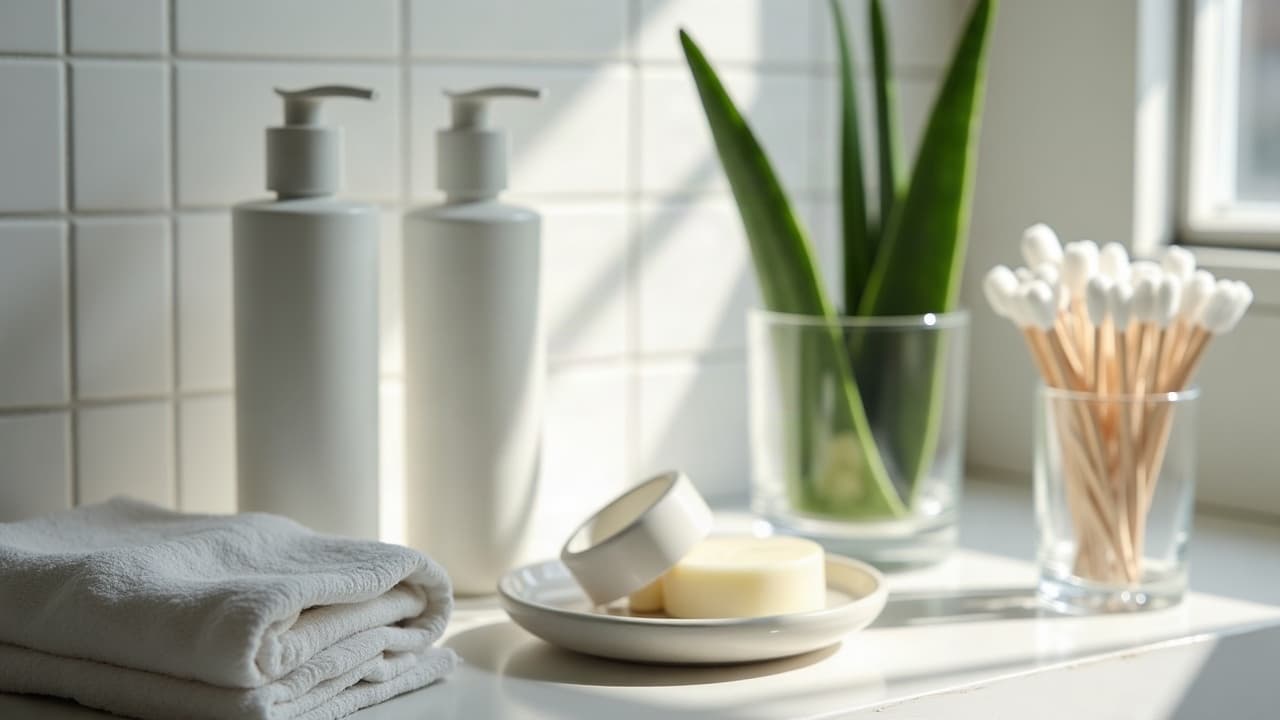
You do not need a $30 balm to heal a fresh tattoo. In most cases, a $4–$8 unscented soap, a $7–$12 fragrance-free lotion, and a $3 roll of paper towels will carry you through healing just fine. The key is correct use, not luxury labels. Dermatology guidance supports what artists see daily, keep the wound clean, lightly moisturized, and protected from friction and sun during the first 2–4 weeks of healing Mayo Clinic wound care basics, Healthline aftercare timelines, and AAD advice on gentle, fragrance-free products. Below is a practical, budget-first kit that still respects your skin and your new artwork.
What Your Skin Actually Needs To Heal Well
Fresh tattoos behave like controlled abrasions. They need three things, gentle cleansing, light moisture, and low friction. Overdoing products slows healing. Underdoing hygiene risks infection. Clinical sources align with this minimalism, a clean wash with mild soap, thin layers of moisturizer or ointment, and sun avoidance until the skin has sealed and flaking ends, typically 10–14 days for the top layer and up to 4–6 weeks for deeper settling Healthline, Cleveland Clinic wound care guidance. The American Academy of Dermatology adds an important money saver, stick with fragrance-free basics to reduce irritation risk AAD. When in doubt, less product, more patience.
Affordable Cleansers That Do Not Strip Ink
You are washing off plasma and sweat, not scrubbing a pan. Go for a mild, unscented cleanser with no exfoliating acids or heavy perfumes. The right soap is cheap and lasts the whole heal if you use a pea-sized amount per wash, 2–3 times daily for days 1–5, then once daily until flakes are gone. Avoid hot water and hard scrubbing, both pull color and raise costs later if you need a touch-up.
- Unscented pump soaps like Dove Sensitive Skin, Cetaphil Gentle Skin Cleanser, or CeraVe Hydrating Cleanser cost $5–$12 and stretch for weeks (non-sponsored examples).
- If you prefer bars, look for fragrance-free and syndet style bars, which are less drying. A $4–$6 bar easily lasts a full back piece heal.
- For travel or studio-to-home, sterile saline wound wash like NeilMed runs $7–$10 and is great for first-night cleanups (non-sponsored examples).
- Skip antibacterial deodorant soaps and scrubs. They are harsh, can sting, and cost you in irritation and color dulling.
Low-Cost Moisturizers That Keep Flakes Under Control
Moisturizer does not need to be a tattoo-branded cream. What matters is fragrance-free, non-comedogenic, and easy to spread in a paper-thin layer. For most clients, lotion beats heavy ointment after the first 48–72 hours. Aim for 2–3 very light applications daily just to stop tightness and shine. Over-greasing suffocates the skin and extends the oozy phase.
- Drugstore standouts, CeraVe Daily Moisturizing Lotion, Cetaphil Moisturizing Lotion, Aveeno Skin Relief Fragrance-Free. Expect $7–$12 for 8–12 oz, enough for multiple tattoos (non-sponsored examples).
- For lips and edges, a tiny dot of Aquaphor Healing Ointment or plain Vaseline in the first 48 hours can help, then transition to lotion. Tubes start at $4–$6 (non-sponsored examples).
- Shea butter blends like Hustle Butter feel great, but a simple $8 lotion works just as well functionally for most people (non-sponsored examples).
- Patch test if you are sensitive. The AAD flags fragrance and lanolin as common irritants, so plain formulas save both skin and money.
When To Use Ointments, And Cheap Options That Work
Ointments are useful early for edges that rub under clothing and for very dry climates. Use them sparingly and only during the oozy window, typically days 1–3. Switch to lotion once the surface looks matte. Avoid antibiotic ointments unless your artist or clinician specifically recommends them, they can trigger allergies and are not needed for routine tattoo care Mayo Clinic. If you like a balm texture, you do not have to pay a premium.
- Plain petrolatum products like Vaseline Original or store-brand petroleum jelly cost $3–$5 for a jar. Use a rice-grain amount, spread thinly (non-sponsored examples).
- Aquaphor mixes petrolatum with humectants. A $4–$8 tube is enough for a medium tattoo’s first week if used lightly (non-sponsored examples).
- If redness or itching spikes, stop the ointment and switch to lotion. Cleveland Clinic notes that increased pain, warmth, or pus warrants evaluation Cleveland Clinic.
Barrier Films And Bandages On A Budget
Second-skin films keep friction and lint off during the messy first 24–72 hours. They are optional but helpful for high-rub spots like ribs or thighs. You can save by buying a few sheets rather than a full roll. If you skip film, use clean paper towels and loose clothing. The cost winner is usually a small pack of film plus your existing gentle soap and lotion.
- Adhesive films like Saniderm or Tegaderm are $8–$15 for a small pack. Cut to size and change once after the first night if recommended by your artist (non-sponsored examples).
- Non-stick pads and paper tape cost $5–$8 total and work if you sweat a lot or are film-sensitive.
- Follow removal with a gentle wash. Do not trap heavy ointment under film, it lifts ink and wastes product.
Smart Substitutions From The Drugstore
You can assemble an effective kit from a single pharmacy aisle without overbuying. Look for fragrance-free, simple ingredient lists, and skip boutique packaging. Keep one cleaner and one moisturizer. Everything else is nice to have, not need to have. If a product stings or feels greasy hours later, swap it out for a simpler option. Your budget and your skin will thank you.
- Swap pricey tattoo soaps for Dove Sensitive Skin or Cetaphil Gentle, same effect at half the price in many regions (non-sponsored examples).
- Use store-brand petroleum jelly for the first 48 hours, then move to a basic lotion. Total outlay can be under $15 for small pieces.
- Choose unscented baby wipes for on-the-go only. At home, soap and water is cheaper and gentler long term.
- Skip alcohol toners, witch hazel, and peroxide. They raise irritation risk and add cost without benefit AAD.
Stretching Your Kit: How Much Product You Really Need
Most people overestimate how much to buy. A fresh hand-sized tattoo needs only 1–2 pea-sized pumps of soap per wash and a pea of lotion per application. A 12 oz bottle of lotion often covers multiple small tattoos through full healing. Understanding usage avoids waste and keeps your kit compact.
- Small tattoo, think quarter-sized area, expect 5–7 days of light lotion use, total 1–2 teaspoons.
- Forearm piece, plan 2 weeks of lotion at 2–3 peas daily, roughly 2–3 tablespoons in total.
- Back or thigh panels, budget 3–4 weeks of lotion refills. One 12 oz bottle usually lasts the entire project.
- Bandage math, two 6x8 inch film sheets at $2–$3 each typically cover a medium forearm or calf once.
Avoiding Costly Mistakes That Slow Healing
The cheapest aftercare is avoiding do-overs. Complications are rare but real. The FDA reminds consumers that inks and pigments can trigger reactions and that sterile practices matter FDA tattoo safety. The AAD highlights allergies to fragrance, dyes, and metals, which can mimic infection AAD. Keep the routine simple and respond early to red flags without self-medicating.
- Do not over-wash. Stick to 2–3 gentle washes daily the first few days, then drop to once daily. Overwashing strips oils and prolongs oozing.
- Keep hair, gym equipment, and tight fabrics off the area. Friction is a top cause of unnecessary touch-ups.
- Avoid sun and pools for 2–3 weeks. After it peels and seals, apply SPF 30+ daily to protect color longevity AAD sun protection.
- If you see spreading redness, warmth, or discharge with fever, seek care. Cleveland Clinic flags these as infection signs worth prompt evaluation Cleveland Clinic.
Tailoring Aftercare To Your Skin And Tattoo
Skin type, placement, and size change the plan a bit. Oily skin often prefers lotion earlier. Dry or winter climates may hold onto a thin ointment for an extra day. Large blackwork and color packing flake more, so budget a little extra lotion. If you have eczema, psoriasis, or past reactions, choose the simplest formulas possible and patch test on nearby skin first. For age-related concerns, see our aftercare guide for older skin. If you have ongoing skin conditions, plan your design and placement with skin behavior in mind, start with our prompt adaptation guide for skin conditions. Covering scars comes with special timing and prep, read our scar cover guide before you book.
Keep your budget focused on the art, not overpriced aftercare. Use basic, fragrance-free products and the right technique, and you will heal clean without overspending. If you are planning a new piece, preview sizing and placement to match your aftercare kit and lifestyle. Generate concepts with AI, then virtually place them to gauge friction zones and clothing contact. Try it now with AI for Tattoo, start in Create to generate a design and see it on skin in Try On before you buy any supplies.
Try AI for Tattoo Free