
Serious tattoo infections are uncommon, but the first 72 hours are when avoidable problems usually start. With a stocked kit and a written plan, you can handle most redness, swelling, and oozing without panic, and recognize the few signs that require urgent care. The American Academy of Dermatology confirms that complications like infection or allergic reaction can occur and should be taken seriously, especially if symptoms escalate [AAD guidance on tattoos]. Below is a practical, studio-tested playbook that pairs real products with decision points, so you know when to rinse, when to rewrap, and when to call a clinician.
Normal Healing vs. Red Flags: What’s Expected and What Isn’t
Expect mild redness, warmth, and light swelling around a new tattoo for up to 48–72 hours. Clear or slightly pink fluid is normal plasma, and it can seep during day one. Itching ramps up around days 3–7 as the top layer sheds. Thin flaking or tiny soft scabs are fine, just do not pick. Pain typically trends 3–5/10 on day one, easing daily when aftercare is consistent. Keep the area clean, aired between washes, and moisturized with a thin layer of a fragrance-free option. Escalating symptoms, timing, and location tell a different story. A growing rim of hot, painful redness, thick yellow or green drainage with odor, or a fever beyond 100.4 F (38 C) suggests infection risk. Deep throbbing pain that climbs 7–8/10, especially after day two, is not typical. For systemic signs like fever or red streaks up a limb, same-day medical care is wise. See baseline infection and fever guidance from the Cleveland Clinic, CDC, and the American Academy of Dermatology.
- Normal: light redness and warmth, slight swelling, clear plasma day 1–2, itch and flaking days 3–7, pain easing daily and staying under 5/10.
- Caution: redness lingering past 72 hours without improvement, thicker weeping, or scabs forming too early from over-drying.
- Urgent: fever over 100.4 F (38 C), spreading redness beyond 1–2 inches from edges, foul odor, or severe pain jumping to 7–8/10.
- Urgent: red streaks, swollen lymph nodes, chills or malaise accompanying tattoo pain and heat.
- Allergy flags: intense itch, hives, or blisters under adhesive films or after new ointments.
Build Your At‑Home Tattoo Emergency Kit Before the Appointment
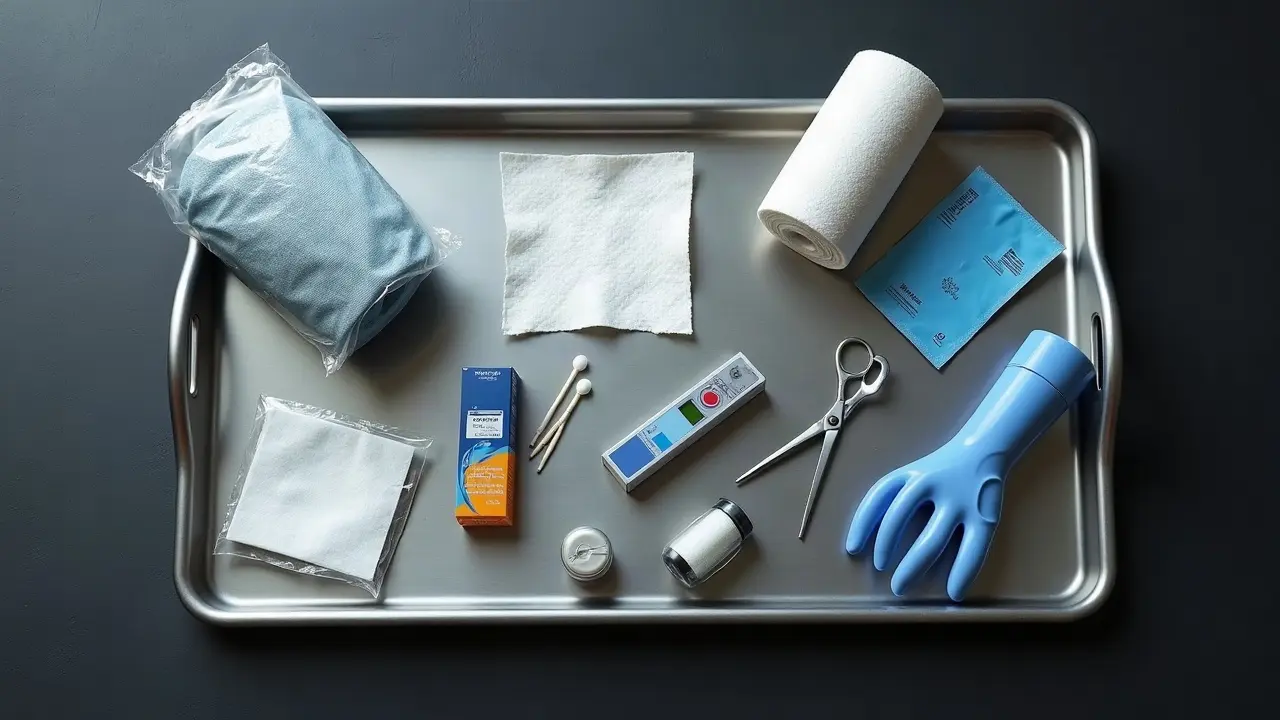
Having supplies within reach turns a stressful night into a straightforward rinse, rewrap, rest routine. Keep everything in a clean pouch you can grab with one hand. Go for fragrance-free and non-comedogenic products to reduce irritation. Choose familiar basics, and patch test products on an un-tattooed area 24 hours before your session if you have sensitive skin. For longer or multiple sessions, pair this kit with our recovery guide for multi-session work to plan wash breaks and wraps. Stock brand-name standbys, not mystery lotions. For washes, artists often recommend Dial Gold Antibacterial Bar, Cetaphil Gentle Skin Cleanser, or H2Ocean foaming soap. For ointment and moisturizers, plan a switch from a thin coat of Aquaphor, Bepanthen, or Hustle Butter in days 1–3 to a light fragrance-free lotion like CeraVe or Eucerin. If you use adhesive wraps, pick medical films like Saniderm or Tegaderm. These are non-sponsored examples.
- Unscented soap: Dial Gold bar, Cetaphil Gentle, or H2Ocean foam for gentle, twice-daily wash.
- Sterile gauze pads, medical tape, and a few large Saniderm or Tegaderm sheets for clean rewraps.
- Ointment and moisturizer: Aquaphor or Bepanthen for very thin day 1–3 coats, then switch to CeraVe or Eucerin lotion.
- Nitrile gloves for the first night rewraps and any messy cleanup.
- Paper towels to pat dry, plus a clean pillowcase to reduce bacteria contact overnight.
- Saline spray or sterile water, helpful if you cannot access a sink.
- Thermometer for objective fever checks, target under 100.4 F.
- OTC pain relief and antihistamine, use per label and your clinician’s advice if you have conditions.
- Small trash bags, zip bags, and spare clothes if you expect seepage on a commute.
- Artist’s instructions printed or in your phone notes, plus your studio’s after-hours contact.
Redness and Swelling: First 72 Hours Game Plan
In the first day, keep the initial bandage per your artist’s timing, often 4–24 hours. Then wash gently with lukewarm water, fingertips, and a pea-sized amount of soap for 20–30 seconds. Rinse, then pat dry with paper towels. Apply a thin layer of ointment, just enough to reduce tightness, and leave uncovered for 20 minutes to air out before a breathable cover if clothing will rub. Swelling usually peaks the first evening, pain around 3–5/10. To lower swelling, elevate limbs, avoid alcohol for 24 hours, and stay off blood thinners unless prescribed. Use a clean, cold compress for 10 minutes on, 10 off, never ice directly on the tattoo. If you need pain relief, many artists prefer acetaminophen over NSAIDs on day one. Confirm medication choices with your clinician. For step timing and pain expectations, see our pain chart guide for preparatory context on managing discomfort.
- Wash 2–3 times daily for the first 72 hours, pat dry thoroughly to prevent maceration under wraps.
- Use the lightest possible ointment layer and switch to lotion as soon as the skin feels less tight.
- Limit friction with loose, clean clothing, and consider a Saniderm or Tegaderm barrier under waistbands.
- Sleep on clean sheets, avoid pets in the bed, and keep the tattoo out of direct pressure.
- Hydrate well and avoid heavy workouts for 48–72 hours to minimize swelling and sweat.
- If redness expands or heat increases after day two, escalate to the infection protocol below.
Infection: What to Watch, When to Seek Care, and What to Expect
Infections often present between days 3–7 with worsening redness, painful heat, thicker yellow or green drainage, and tenderness that climbs rather than falls. A fever higher than 100.4 F (38 C), red streaks, or feeling very unwell warrants same-day evaluation. The American Academy of Dermatology and Cleveland Clinic both note that cellulitis symptoms like expanding warm redness and fever are reasons to seek care. Do not apply random antibiotic creams without guidance, since some cause dermatitis. If you see a clinician, they may mark the redness borders, recommend oral antibiotics for 5–7 days, and advise gentle cleansing plus dry dressings. Most uncomplicated infections respond quickly once treated. Expect to rest a couple of days and downgrade gym time. Urgent care co-pays often fall around $75–$200, but call your insurer for an exact number. For general skin infection prevention tips and fever context, review the CDC resources.
- Urgent signs: fever 100.4 F or higher, spreading hot redness, foul odor, thick green or yellow pus.
- Same-day care if red streaks appear, if pain spikes after day two, or if symptoms escalate rapidly.
- Keep the area clean and lightly dressed for travel to a clinic, avoid tight or soiled clothing.
- Do not self-start leftover antibiotics or mix multiple ointments, which can worsen dermatitis.
- Follow prescribed dose and duration strictly, and schedule a touch-up with your artist after full recovery.
Allergic Reactions: Adhesives, Ointments, and Ink Sensitivities
Allergic contact dermatitis can hit from film adhesives, lanolin or fragrance in ointments, or specific pigment components, with red and itching rashes, hives, or blisters. If a Saniderm or Tegaderm area erupts in uniform blisters under the film, that points to adhesive sensitivity. Remove the film, wash with a gentle cleanser, and switch to a fragrance-free lotion. For itchy, hive-like reactions, an OTC cetirizine or diphenhydramine can help short term, per label directions. The Mayo Clinic provides clear overviews of allergic contact dermatitis. Pigment reactions happen more with some reds and yellows, sometimes days to months later. The FDA notes that tattoo inks and pigments are not risk-free and can trigger reactions even long after healing [FDA on tattoo inks]. If you get wheezing, face swelling, or widespread hives, treat it as a medical emergency. For persistent localized rashes, see a dermatologist familiar with tattoo reactions and bring product names you used.
- Stop the suspected product, wash, and switch to a simple, fragrance-free moisturizer like CeraVe or Eucerin.
- Avoid reapplying adhesive films after a reaction, use sterile gauze and breathable tape instead.
- Use oral antihistamines short term if itching is intense, and keep nails off the area to prevent infection.
- Patch test any new product on intact skin for 24 hours before it touches your tattoo.
- See a dermatologist for persistent reactions or if symptoms spread beyond the tattooed area.
Blowouts, Oozing, and Heavy Scabbing: Triage Without Panic
An ink blowout looks like a soft shadow or blur beyond the lines. It is not an infection and does not require emergency care. Most minor blowouts settle visually over 8–12 weeks, and many can be disguised with a small touch-up or color shift later. Keep aftercare gentle and avoid aggressive massage or exfoliation. If you are unsure whether it is a blowout or spreading redness, compare photos 12 hours apart. Infection redness grows with heat and tenderness, blowout shading stays cool and non-tender. Oozing that is clear or slightly pink is normal for 24–48 hours. If drainage becomes thick, green, or foul, switch to the infection plan above. Heavy scabbing often means the surface dried too hard or was rubbed. Do not pick or peel. Migrate to a thin, frequent lotion schedule to keep the skin flexible. Avoid hydrocolloid blister bandages directly over fresh tattoos unless your artist specifically instructs, since they can swell the surface.
- Blowout check: cool to the touch, not painful, shadowy pigment beyond lines that does not spread quickly.
- Oozing protocol: gentle wash every 4 hours on day one if seeping is heavy, then reduce as it settles.
- Scab support: moisturize lightly 3–4 times daily, never peel, and protect from friction and sun.
- If unsure, message your studio with well-lit photos and timing notes to compare baseline and change.
- Plan any corrective touch-up after a full 8–12 week heal window so the skin is stable.
Travel, Work, and Gym Contingencies If Trouble Starts
If redness or seepage flares the day you must commute, prioritize cleanliness and friction control. Wash, pat dry, then apply a light lotion and a clean Saniderm panel sized larger than the design so edges do not rub. Pack a mini kit for rewraps. Skip swims, hot tubs, and steam for 2–3 weeks, and avoid sun on the tattoo until fully healed. For multi-day or back-to-back sessions, plan your schedule with our recovery strategies to reduce risk compounding. For the gym, reduce intensity and sweat exposure for 48–72 hours. Prioritize machines over barbells to avoid skin contact, and clean equipment surfaces. Wear clean, loose cotton and shower as soon as you get home. If your job is dirty, wet, or high friction, consider postponing the appointment or arranging modified duties for a week. If you are weighing numbing options for long sessions, read our anesthesia prep guide and finalize your plan with your artist.
- Pack a travel kit: soap, gauze, film, tape, lotion, paper towels, zip bag for used dressings.
- No pools, lakes, hot tubs, or saunas for 2–3 weeks to prevent infection and pigment issues.
- Use breathable film under waistbands or backpacks to reduce friction during commutes.
- If seepage soaks a wrap, change it promptly rather than stacking layers over wet skin.
- Reschedule heavy contact sports, climbing, or grappling until the tattoo is past the peel phase.
Your Emergency‑Ready Aftercare Checklist
Save this as your tattoo aftercare checklist. It compresses the most important steps and thresholds onto one screen. Share it with your support person and pin it in your notes app. If you are still designing, build timing and placement around realistic healing, using our customization guide to plan sizing and clothing contact.
- Wash hands, then the tattoo with lukewarm water and unscented soap for 20–30 seconds, 2–3 times daily.
- Pat dry with paper towels and air for 10–20 minutes before any cover or clothing contact.
- Apply a thin layer of Aquaphor or Bepanthen days 1–3, then switch to a fragrance-free lotion like CeraVe.
- Limit friction, heat, and sweat for 48–72 hours. Sleep on clean sheets, keep pets off the bed.
- Use Saniderm or Tegaderm for travel or high-friction zones, change if wet or soiled.
- Normal: mild redness and warmth up to 72 hours, itch by days 3–7, pain trending down daily.
- Caution: redness not improving after day 2, thicker drainage, or scabs forming too early.
- Urgent: fever over 100.4 F, rapidly spreading hot redness, foul odor, or red streaks. Seek care same day.
- Allergy plan: remove suspect product, wash, switch to fragrance-free lotion, consider antihistamine per label.
- Keep clinic, artist, insurer, and pharmacy contacts handy. Budget for a possible $75–$200 urgent visit.
For deeper context on allergic rashes and infection signals, bookmark Mayo Clinic, the Cleveland Clinic, the AAD, and the CDC. These editorial and public health sources align on red flags like fever, rapidly spreading redness, and systemic symptoms. When in doubt, clean, cover lightly, and get professional eyes on it.
Placing a tattoo where clothes will not rub and sizing it for your real week can prevent most emergencies. Use AI for Tattoo to plan smarter. Generate ideas with Create, then preview placement and scale with Try‑On before you book.
Try AI for Tattoo Free