
Most people heal small to medium tattoos to a comfortable, low‑maintenance state within 7–10 days, yet stacking new tattoos in the same week changes the math. Your skin can absolutely handle multi‑tattoo sessions, but only if you treat each site as its own wound and time your care around real healing milestones. That means independent dressings, friction control, and clear rules for washing, workouts, and sun. Backed by dermatology guidance on wound repair and infection risk, these tactics keep momentum without sacrificing any piece’s outcome. See foundational aftercare timelines from the American Academy of Dermatology and Healthline for context on skin healing stages AAD overview and Healthline guidance.
Stage your sessions around real healing windows
Your schedule is your first recovery tool. Epidermal closure typically starts within 48–72 hours for healthy adults, while barrier function and flake-off stabilize over 1–2 weeks. Heavy saturation or large fills take longer to calm. That is why stacking appointments back to back, with no plan, is when people run into swelling, ink loss, or infection risk. Use these windows as guardrails, then adjust for your body, placement, and how aggressively your artist worked. If you are revisiting the exact same skin, add extra time so the dermis is not re‑traumatized before it settles. For numeric grounding on infection signs and when to seek care, bookmark the Cleveland Clinic’s patient education hub Cleveland Clinic skin and wound care.
- Small pieces on different body zones, light trauma: space sessions by 72 hours minimum so each site can close under its own dressing.
- Medium pieces or high‑movement zones: wait 5–7 days before the next sit, longer if swelling persists past day 3.
- Large fills, color packing, or same-region layering: plan 10–14 days to reduce blowout risk and improve ink retention.
- Touchups over fresh work: delay 3–4 weeks, or until flaking has fully resolved and skin texture feels smooth, not bumpy.
If you know you will book three or more sits, design the route. Start with placements that will be covered by loose clothing, avoid high-friction creases on day one, and save same-side stacking for later when the first piece is beyond Stage 1 weep and tenderness. For session prep and numbing options that make long sits manageable, read our anesthesia options guide.
Wraps and dressings, keep sites independent
Your bandage strategy is the difference between clean healing and cross‑contamination. When several tattoos are fresh at the same time, treat them like separate surgeries. If you prefer second‑skin style films, stock Saniderm, Tegaderm, or Derm Shield and size each piece so edges do not overlap. For traditional wrap, you will use non‑stick pads plus breathable tape. Avoid turning separate tattoos into one humid, shared pocket. Overlap traps moisture, redistributes plasma, and can move pigment. The FDA reminds consumers that tattoo aftercare is wound care and emphasizes hygiene to reduce infection risk, which includes good barrier practices FDA tattoo and permanent makeup.
- First 12–24 hours, keep the original wrap from your artist unless they advise otherwise. Expect weep early, especially on large color work.
- If using second‑skin, trim rounded corners and leave 1 inch of healthy skin around the tattoo. Do not bridge two tattoos with one sheet.
- Change films if fluid pools, adhesive lifts, or itch becomes intense. Typical wear time is 24–72 hours, then switch to light lotion care.
- For classic wraps, switch to sterile non‑stick with micro‑pore tape for the first 24–48 hours, then go unwrapped unless clothing rubs.
Named product examples for multi‑site kits, price ballpark $15–$30 each where noted: Saniderm or Derm Shield, non‑stick Telfa pads, Micropore tape, H2Ocean Purified Ocean Salt Spray, Aquaphor Healing Ointment, Hustle Butter Deluxe, Bepanthen (EU), Mad Rabbit Soothing Gel (non-sponsored examples).
Wash and moisturize without cross‑contamination
A perfect wash can be undone if you accidentally drag residue from one fresh site to another. Build a routine that keeps zones separate. Use clean hands only, pump dispensers, and separate paper towels for each tattoo. Skip washcloths or loofahs until all sites are past flake. The AAD stresses gentle cleansing and avoiding fragranced products during healing AAD patient guidance.
- Wash order, clean to clean: upper body tattoos first, then lower, finishing with the most weepy site. Re‑soap hands between zones.
- Use lukewarm water and a fragrance‑free cleanser, examples include Cetaphil Gentle Skin Cleanser or Dove Sensitive Skin. Avoid antibacterial scrubs unless prescribed.
- Pat dry with separate paper towels per site. Air‑dry 5 minutes before lotion.
- Moisturize thinly with Aquaphor, Hustle Butter, Bepanthen, or a light ceramide lotion once films are off. Apply a pea‑size to each tattoo, not a glossy coat. (non-sponsored examples)
If itch surges on day 3–5, a clean saline mist or a cool compress calms it without smothering pores. For intense itch that tempts you to scratch, consider a nighttime cetirizine 10 mg or loratadine 10 mg if these are safe for you, and confirm with your pharmacist first. Scratching is the fastest way to scuff fresh flakes and create uneven healing across pieces.
Sleep, clothes, and friction control across sites
Movement management doubles in importance when more than one piece is healing. Sleep positions, fabrics, and even how you sit in the car can cause micro‑shear. Night one and two are the riskiest for sticking. Line your sleep zone with a clean cotton sheet or a large pillowcase if the tattoo is on a calf or forearm, and wear loose layers so fabric, not skin, contacts bedding.
- Pick loose cotton or moisture‑wicking synthetics. Avoid wool, denim, and compression gear for 3–5 days over fresh tattoos.
- If a site sticks to fabric, wet it gently with warm water until it releases. Never rip it off dry.
- Use petroleum‑free balms sparingly on high‑rub edges before commutes. Too much occlusion can cause heat rash.
- Seatbelts, bra straps, watchbands, and waistbands are classic friction points. Pad them or route around the tattoo until flake-off finishes.
If two fresh pieces might touch when you bend, add a non‑stick pad over one for short periods. It is not glamorous, but it keeps edges crisp and prevents scuffing that can mute shading.
Swelling and pain between appointments, stay functional
Even with perfect technique, localized swelling is common for 24–72 hours after a sit. Elevation is your friend. Ten minutes with the limb up can reduce throbbing far better than chasing it with more lotion. Cool packs wrapped in cloth, 10 minutes on, 20 off, are safe for most people. For medication, most studios suggest acetaminophen over ibuprofen right before or after sessions, since NSAIDs can increase bleeding for some. If you take blood thinners or have medical conditions, confirm pain options with your clinician first. For infection red flags like fever, spreading redness, or pus, reference reputable care instructions and seek medical guidance promptly Cleveland Clinic.
- Elevate fresh limb tattoos to heart level for 10–15 minutes, 2–3 times daily during days 1–3.
- Use a gel cold pack wrapped in a thin towel. Never put ice directly on tattooed skin.
- If you must commute or type all day, take micro‑breaks to reduce swelling in ankles, wrists, and hands.
- Itch management: light tap around, not on, the tattoo. A cool shower works better than slapping lotion every hour.
Fuel healing, hydration and nutrition that matter
Ink retention loves a well fed, hydrated body. Aim for 2–3 liters of fluids per day from water and electrolytes, more if you sweat. Target 1.2–1.6 g/kg of protein through lean meat, legumes, dairy, or supplements, and include vitamin C‑rich foods that support collagen formation. General nutrition and wound healing guidance from major medical centers is a good compass as you plan meals Mayo Clinic.
- Keep sodium moderate to manage swelling. Think fruit, yogurt, oats, eggs, rice, and roasted vegetables for easy digestion.
- Skip alcohol for 48–72 hours after each sit. Alcohol dehydrates and can worsen swelling.
- Sleep 7–9 hours. Growth hormone pulses during deep sleep are friendly to tissue repair.
- If appetite tanks after a marathon session, drink calories with a whey or plant protein shake and a banana.
Supplements are optional. A standard multivitamin is fine, but beware of megadosing. If you are preparing for several long sits, test any new supplement two weeks prior so you are not discovering sensitivities during healing.
Sweat, sun, and showers, timing for multiple healing tattoos
Water, UV, and friction do most of the damage to fresh ink. Keep showers short and lukewarm, avoid soaking baths and pools for 2–3 weeks, and pat dry. For workouts, stagger intensity by which tattoo is newest. If your forearm is fresh, use a lower body day. If your thigh is fresh, bench and pull instead. For deeper training rules while healing, see our exercise aftercare guide.
- Light movement like walking is fine the same day. Avoid intense sweat for 48–72 hours on the newest tattoo.
- No submersion until the last fresh site is past the peel phase and skin looks matte, usually 2+ weeks.
- Protect from sun, then protect again. Once all sites are closed and flake‑free, use a broad‑spectrum SPF 50+. The AAD’s sun safety basics apply here too AAD sun protection.
- Heat plus friction equals rash. If you must train, tape a non‑stick pad under straps or waistbands touching a fresh site.
Remember that multiple healing sites amplify risk, so the most conservative site sets the rules. If one piece is two days old and another is ten, follow the plan for the two‑day tattoo until it catches up.
Know when to pause, infection or allergic reaction
Most tattoos heal uneventfully, but stacking sessions can mask early warning signs. If anything looks off, pause the series and address it before the next sit. Reactions can be to pigment, adhesive, or aftercare products. The FDA notes that pigments and metals in some inks can trigger allergic responses in a small subset of clients, particularly reds that may contain azo dyes or metals like nickel FDA consumer info. Seek medical care urgently for systemic reactions. For a broad medical perspective on rashes and infections, use authoritative resources like the AAD and Cleveland Clinic AAD Cleveland Clinic.
- Stop and contact your artist or clinician if redness spreads past 1–2 inches, warmth increases after day 2, or yellow‑green discharge appears.
- Hives, intense itch, or blistering under adhesives suggests a contact allergy. Switch products and consider a hypoallergenic barrier after medical advice.
- Fever, chills, or red streaks warrant same‑day medical evaluation. Do not start antibiotics from a friend’s leftover supply.
- Ink‑specific flare ups, often with red pigment, can appear as raised itchy patches weeks or months later. Document with photos and seek dermatology input.
Plan the kit and the route, so the art wins
When you manage several healing tattoos at once, logistics beat willpower. Keep a labeled pouch in your backpack or bathroom, restock on your off day, and photograph each tattoo daily under the same light so you can catch problems early and show your artist. If you are mapping a multi‑piece project, pre‑visualize composition and flow so placements avoid overlapping wraps and friction zones. For concept planning help, skim our color and theme cohesion prompts and our piece on design symbiosis in nature.
- Daily carry, travel size: saline spray, pump soap, lotion, non‑stick pads, Micropore tape, spare T‑shirt, paper towels in a zip bag.
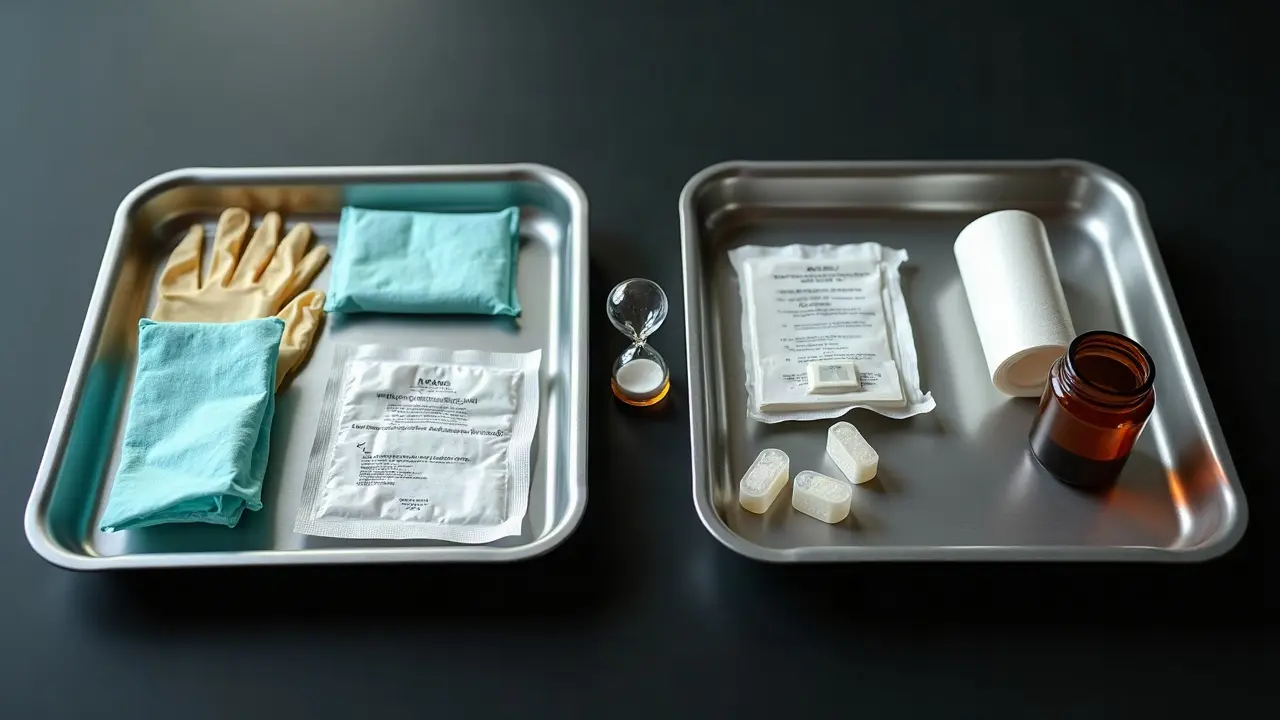
- Home base: second‑skin films in multiple sizes, nitrile gloves for cleanup, fragrance‑free detergent, clean pillowcases.
- Budget, roughly $40–$80 to set up a reliable kit if you already have soap and lotion.
- Photos, one per site per day, same light and angle. It is the fastest way to spot a hot spot before it escalates.
Pro Tip
Quick sanity check before booking the next appointment: newest tattoo is dry to the touch, no active stickiness, flake almost done, and pain ≤2/10 with light pressure. If not, slide the session a few days.
Test placements and scale before you commit to a packed calendar. Use AI for Tattoo to generate cohesive designs, then virtually try them on to plan spacing that heals cleanly. Start with a few ideas in the Create tool, preview on your body with Try‑On, and build a timeline that respects real healing windows. Generate a design and try it on now.
Try AI for Tattoo Free