
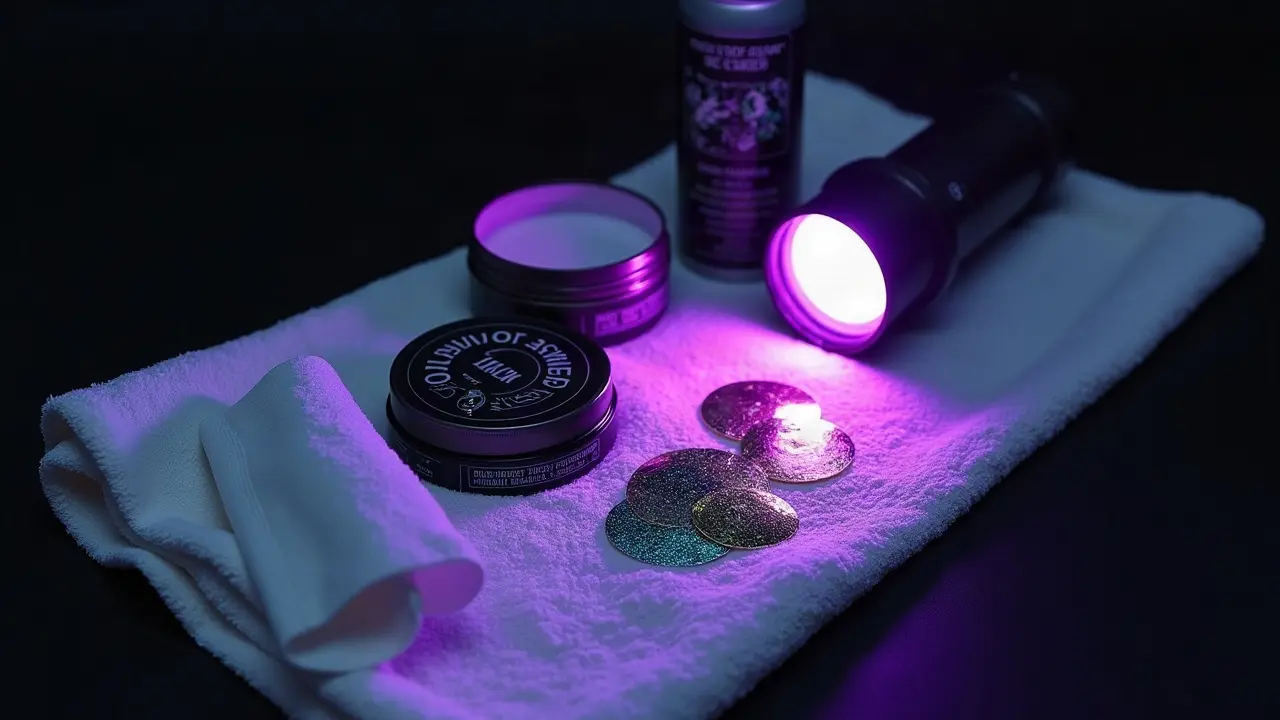
There is no true glow-in-the-dark tattoo that shines on its own in the dark. What most clients call glow ink is UV-reactive pigment that fluoresces under blacklight. That detail matters, because UV-reactive pigments and metal-adjacent or mica-based inks react differently to sunlight, friction, and skincare chemicals compared with standard carbon black and iron oxide inks. Smart aftercare keeps them bright longer and lowers complication risk.
What counts as non-conventional tattoo materials, really
Artists use non-conventional materials to create effects standard inks cannot. In practice that means UV-reactive inks marketed as glow, white-heavy pastel palettes, experimental mica or aluminum-adjacent pigments billed as metallic, and unusual carriers or vegan-only blends. Many shops actually fake a metallic sheen with traditional pigments and sharp white highlights, because real metal flake is not standard for body tattoos and can be risky. The U.S. Food and Drug Administration notes that tattoo inks are not formally approved for injection, and composition varies by brand, batch, and color FDA overview.
What this means for you: expect a slightly pickier healing plan. UV-reactive formulas can be more temperamental with sun. Some whites and pastels feel drier and scab more if over-washed. Certain metallic-leaning pigments may contain or be contaminated with trace metals. The goal is the same as any tattoo, keep it clean, lightly moisturized, and protected, but the tactics shift to avoid dulling fluorescence, chalking white, or triggering irritation.
Day 0 to 3, set the foundation without suffocating the ink
Your first 72 hours decide how smooth the next two weeks will be. If your artist applies a second-skin bandage like Saniderm, DermShield, or Tegaderm (non-sponsored examples), leave it on 24 to 48 hours unless it floods with plasma. For UV-reactive or heavy white work, I prefer 24 hours to reduce maceration that can lift delicate pigment at the edges.
- Wash hands, then gently cleanse twice daily with a fragrance-free, low pH wash. Avoid exfoliants. Think Dove Sensitive, Cetaphil Gentle, or H2Ocean Blue Green Foam.
- Pat dry with clean paper towels. No rubbing. Air out 10 minutes before ointment.
- Use a rice-grain-thin film of Bepanthen, Aquaphor, or Hustle Butter for the first 2 to 3 days, then switch to a light lotion. Over-greasing can mute UV glow. (non-sponsored examples)
- Skip alcohol wipes, hydrogen peroxide, and witch hazel. They strip and can dull fluorescence.
- If second-skin adhesive itches or blisters, remove it under warm water. People with sensitive skin or UV inks are more reactive to adhesives.
If you prefer the dry-heal route, keep it clean and go extremely light on moisturizer. UV-reactive and white-heavy pieces scab if over-washed, but they also dull if suffocated. Aim for sheen, not shine when you moisturize.
Sunlight is the big variable, guard it early and forever
Fluorescent pigments are exquisitely sensitive to UV. During healing, keep the tattoo fully covered outdoors for 14 days, then use broad-spectrum SPF 30 to 50 every day once the skin is closed. The American Academy of Dermatology recommends daily sunscreen to limit pigment fading and photoaging, which directly supports tattoo longevity AAD guidance.
- No tanning beds or intentional sun for 4 to 6 weeks. UV-reactive work can yellow or burn faster.
- Choose mineral sunscreens with zinc oxide or titanium dioxide once healed. They are less stingy than chemical filters on fresh skin.
- Reapply SPF every 2 hours outdoors. A UV-reactive outline that looked neon in month one can look flat by month twelve without sunscreen.
If you want a refresher on how light affects pigment, bookmark our color dynamics explainer. The same physics that make glow lines pop under blacklight also make them vulnerable to daylight.
Moisturizing without muting glow or chalking whites
The secret is thin, frequent layers, not one heavy slug. Petroleum-rich ointments like Aquaphor are excellent in the first 48 to 72 hours to buffer scabs, then they can get too occlusive and trap heat. Switch to a light, fragrance-free lotion or a tattoo balm that absorbs cleanly, like Mad Rabbit or Hustle Butter Deluxe after day three. Avoid menthol, citrus oils, or AHAs that can irritate UV-reactive areas. (non-sponsored examples)
White-heavy and pastel sections dry out faster. Add a midday micro-application if they look matte or ashy. The skin should feel comfortable, not slick. Over-moisturizing can soften scabs so much that they lift pigment and create patchy glow lines.
Allergy, irritation, and what to watch for with special inks
All tattoos carry risk of reaction, and that risk can be slightly higher with experimental pigments or contaminated batches. The FDA highlights sporadic recalls for microbial contamination and notes allergic reactions can occur even months later FDA consumer info. Contact dermatitis is also common with adhesives. Nickel sensitivity, relevant to some metallic pigments and tools, affects a notable share of the population according to dermatology sources, so extra vigilance helps Cleveland Clinic and Healthline.
- Red flags: spreading redness after 72 hours, fever, thick yellow-green pus, or pain that intensifies. These point to infection vs normal healing.
- Allergy cues: hives, streaky itch, blistering, or a rash around bandage borders. Remove adhesives and switch to soap-and-air care if this occurs.
- Delayed issues: raised, itchy glow lines months later can be pigment reactivity. Photograph changes and contact your artist and a dermatologist.
For sensitive or reactive skin, tailor your plan with our artist-written guide to aftercare for allergic, sensitive, reactive skin. If you develop alarming pain or swelling, see a clinician. The AAD and Mayo Clinic both publish practical overviews on tattoo reactions and when medical care is warranted AAD and Mayo Clinic.
Sweat, friction, and the gym timeline
Sweat is salty, and salt is irritating to open skin. With UV-reactive or white-dense tattoos, I recommend a stricter window: no heavy sweating for 7 to 10 days, no high-friction moves on the area for 2 weeks. Fabric rub is what chews up glow lines fastest in week one.
- Cover with a clean, breathable layer for light errands. Do not plastic-wrap.
- Skip saunas, hot yoga, and pools for 2 weeks minimum. Standing water raises infection risk.
- If you must train, favor machines that do not contact the area and clean equipment before use. Then cleanse the tattoo gently post-workout.
We have a full breakdown by sport in our aftercare for exercise guide. The short version, keep salt and friction off the wound until it seals and peels.
Longevity expectations, fading timelines, and touch-up strategy
Standard black ink can look rich for decades with sunscreen. UV-reactive pigments tend to lose pop faster. Expect a visible drop in fluorescence in 12 to 24 months if you do not use daily SPF and limit sun. Whites and pastels also chalk with repeated sun exposure and aggressive exfoliation.
Plan for proactive maintenance. A clean touch-up every 18 to 36 months keeps UV outlines crisp. Many artists charge a reduced rate for small refreshes, roughly $80 to $250 depending on studio and coverage. Moisturize through dry seasons, avoid retinoids or peels over the area, and re-commit to SPF 50 before beach trips.
If you ever see unexpected darkening after a laser hair removal or skincare session around the tattoo, pause and get pro advice. Some pigments can react and darken with certain wavelengths. JAMA Dermatology has published case reports on pigment reactivity and procedural risks, so disclosure to providers is key JAMA Dermatology.
MRIs, lasers, and disclosing your ink to providers
Metallic-effect tattoos are often created with optical tricks, not literal metal flakes, but some pigments do contain metal salts like iron oxide or titanium dioxide. Rarely, people report tingling during MRI. Tell radiology techs you have tattoos. They will monitor you and can adjust positioning. The same goes for cosmetic lasers. Some UV and white pigments darken when zapped.
If removal is ever on the table, know that UV-reactive or white inks are tougher clients. Certain pigments can shift gray or tan under laser. A board-certified dermatologist can patch test wavelengths and map a plan. The Healthline and AAD sites outline realistic timelines, which often run 6 to 12 sessions for stubborn colors Healthline and AAD.
Studio standards for special inks, questions to ask
Quality control matters more when pigments are unusual. Ask to see labeled bottles with batch numbers and Material Safety Data Sheets. Inks should be poured into sterile caps, never back into bottles. Your artist should be transparent about composition, especially for anything marketed as metallic or glow.
- Confirm the artist’s aftercare protocol for UV-reactive work. It should emphasize sun avoidance and light moisturization in week one.
- Request a small test dot behind the ear or ankle if you have a history of reactions, and monitor it 7 to 10 days.
- Keep receipts and pigment names. If you ever need medical help, documentation speeds care and supports any needed product reporting to the FDA.
If unexpected pain escalates, use our quick triage checklist in treating unexpected tattoo pain issues. It will help you decide whether to call your artist, urgent care, or both.
Thinking about UV-reactive outlines or a metallic-effect motif but want to preview contrast and placement first? Use AI for Tattoo to design the look, then use the virtual try-on to check visibility in different lighting. Start with a clean concept in /create, then fine-tune and try it on your skin with our studio-grade tools. A smart plan plus smart aftercare is how glow stays glow.
Try AI for Tattoo Free