
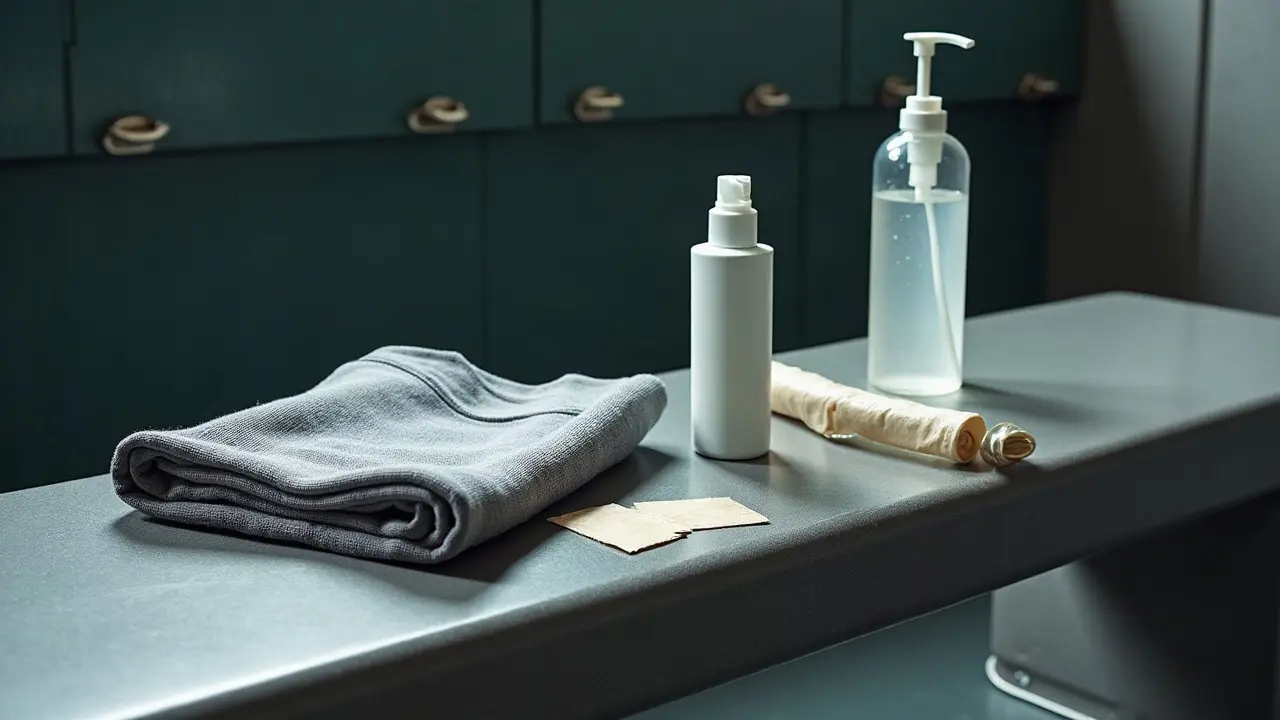
A fresh tattoo behaves like a shallow wound for roughly 14 days, which means sweat, friction, and bacteria are the main threats to crisp healing. You do not need to stop moving, you just need to train smart and protect the art. Most issues I fix during touch ups come from tight fabrics, dirty gear, or soaking the tattoo too early, not from the needle work itself. The good news, a few adjustments keep you training while your skin seals and settles.
What Sweat and Friction Actually Do to a New Tattoo
During the first week, your body is pushing fluid and building a fragile barrier over the ink. Excess sweat adds moisture and salt, which can macerate the surface and invite bacteria. Friction from clothing or equipment physically lifts scabs and flakes, creating patchy spots and blurred edges. Dermatology sources describe epidermal closure beginning around 3 to 7 days, with full barrier function returning over several weeks, so treating the area like an athletic wound is accurate guidance. See the American Academy of Dermatology guidance and Cleveland Clinic for general wound and skin healing timelines.
If your session used a medical adhesive film, that breathable layer can buffer sweat and reduce friction for a short window. If you left with classic wrap or open-air instructions, protection becomes about smart timing and fabric choice. Either way, the formula is consistent, limit moisture, limit rubbing, and keep the surface clean and lightly moisturized.
First 72 Hours, Rest Days and Protective Dressings
The first 24 to 72 hours set the tone. This is when plasma weeps, the skin is most vulnerable, and leaks can glue fabric to the tattoo. If you can, take 1 to 2 full rest days. If you have to move, keep intensity low and limit session length. For many clients, a sterile, breathable adhesive dressing like Saniderm or Tegaderm helps block sweat and friction in this window. Adhesive films cost roughly $2 to $5 per sheet and are easy to stash in a gym bag.
- If using a film dressing, apply to clean, dry skin with rounded corners, no stretch. Replace every 24 hours the first 1–2 days if there is fluid pooling.
- If not using a film, wash gently with a fragrance-free, pH-balanced soap, pat dry, then a thin layer of Aquaphor, Bepanthen, or a light tattoo balm (non-sponsored examples).
- Avoid compression, long hot showers, and any movements that crease or fold directly over the tattoo during this 72-hour period.
Do not soak the tattoo or trap heavy ointments under sweat. Film dressings are breathable, but petroleum-heavy layers under leggings can overheat the skin. The AAD and Mayo Clinic both note that excess moisture and heat slow healing and raise infection risk, so be conservative early.
Returning to Movement, Safe Training Progression
Once surface weeping stops, you can add easy movement that does not fold or rub the tattooed area. For days 3 to 7, think RPE 3 to 5 effort, short sessions, and plenty of airflow. You are buying time for the skin to knit without shear forces or soggy edges. If your tattoo sits across a joint, favor straight-line motions and partial ranges to limit crease lines directly under fresh ink.
- Green-light ideas, easy incline walking, light band work, stationary cycling with minimal sweat, breath work, and mobility that avoids stretching the tattoo site.
- Guardrails, cap sessions at 20 to 30 minutes, stop before sweat beads form, and leave 2 to 3 hours post-workout before washing and re-moisturizing.
If a session or climate pushes you past a light sweat, prioritize a quick rinse as soon as possible. Mild soap, cool water, and pat dry. Reapply a thin moisturizer layer, not a thick plug. Heavy layers plus heat can cause pore clogging and acne-like bumps. For sensitive or allergy-prone skin, see our guide to aftercare for allergic or sensitive skin.
Clothing, Gear, and Hygiene That Protect Ink
Choose fabrics that breathe and glide. Loose, lightweight, moisture-wicking tops beat cotton, which holds sweat against the skin. For legs and sleeves, baggier fits reduce rub. If you must wear a strap or belt near the area, pad it or shift placement so the edge does not ride the tattoo. Wash anything touching the site after each use, including wraps, grips, or sleeves, and avoid scented detergents that can irritate the healing surface.
- Smart picks, airy training tees, soft shorts, or a size up in joggers. Skip compression over the tattoo for 10 to 14 days.
- Anti-chafe options, BodyGlide or Gold Bond Friction Defense on nearby skin, not directly on the tattoo, to reduce edge rub (non-sponsored examples).
- Gym hygiene, wipe benches and handles, use your own clean towel, and avoid shared mats until flaking is done.
If your sport requires grips, tape, or guards near the tattoo, take a micro-deload week. Technique work and tempo drills keep skill sharp without dragging gear over a fragile surface. When in doubt, place a breathable film or a loose sterile nonstick pad for temporary protection during the session, then remove, wash, and moisturize promptly after.
Sweat Management, Showers, and Moisturizer Strategy
Plan workouts so you can rinse shortly after. Wash with a fragrance-free soap such as Dove Sensitive Skin or Cetaphil Gentle Skin Cleanser (non-sponsored examples). Lukewarm water only. Pat dry with a clean towel, then apply a thin layer of a bland moisturizer. Dermatology sources caution against alcohol-based cleansers and harsh scrubs during healing due to irritation risk. See Healthline and the American Academy of Dermatology for basic skin-safe wash principles.
Moisturizer should be light and thin, not shiny or goopy. Aquaphor, Bepanthen, Hustle Butter, or Mad Rabbit can all work if applied sparingly and adjusted to your climate and skin type (non-sponsored examples). In hot gyms, swap heavier ointments for a light, fragrance-free lotion after day 3 to prevent pore blockage. If you are heavy sweater by nature, carry single-use sterile saline wipes for quick post-set cleanups and follow with a proper wash as soon as you get home.
Lifting, Cardio, and Sport-by-Sport Adjustments
Program around placement. A forearm tattoo hates bar knurling in week one, a calf tattoo hates rowing strap rub, and a fresh chest piece hates bench pressure. Use machines, cables, and dumbbells to reposition contact points. Reduce set volume so you finish before sweat accumulates. Think training economy, choose two priority lifts and one accessory, then leave. For cardio, prioritize cool environments and short intervals.
- Barbell sports, switch to technique bars, straps on the opposite limb, or tempo work. Avoid cleans, snatches, and heavy front rack if ink is on wrists or shoulders.
- Combat and grappling, avoid live rounds until flaking ends, typically 10 to 14 days. Drilling with long sleeves and no direct contact on the area is safer.
- Running and cycling, opt for treadmill or trainer with fans. If the tattoo is under a waistband or bib, loosen fit or delay.
- Yoga and pilates, use a clean towel over the mat. Skip poses that fold the tattooed zone until peeling finishes.
If pain from movement spikes beyond a 3 out of 10, or the skin looks glazed and over-warm, stop and reassess. Short, cool, clean sessions beat long, sweaty grinders for the first two weeks. If you develop unexpected pain or swelling, review our practical pain troubleshooting guide and consider a check-in with your artist.
Swimming, Saunas, Showers, and Outdoor Training
Submersion is a hard no until the skin fully closes. Pools, hot tubs, lakes, and oceans can push bacteria into a fresh wound and also leach ink. Give it 2 to 4 weeks before you soak, longer if healing is slow or the piece is large. The CDC warns about waterborne pathogens and gym-acquired infections, an extra nudge to delay immersion until the barrier is intact. See the CDC for general public health guidance on water and infection risks.
Saunas and steam rooms combine heat, moisture, and friction. Wait until peeling is done and the surface looks matte and settled, usually around 2 weeks. Outdoor sessions are fine with shade and light clothing, but no sun on a fresh tattoo. After the first month, add broad-spectrum SPF 30+ daily to preserve color and line crispness. Sun is a top reason tattoos fade early, a point echoed by the Cleveland Clinic.
Nutrition, Sleep, and Recovery That Speed Healing
Your recovery habits drive skin recovery too. Aim for 7 to 9 hours of sleep, consistent hydration, and a simple plate built around lean protein and colorful produce. Protein supports collagen and tissue repair, and steady fluids keep secretions thinner and easier to clean from the surface. Alcohol dehydrates and increases vasodilation, which can worsen oozing and swelling in the early phase, so limit it for at least a week.
If you supplement, think basics, not magic. Electrolytes help if you sweat easily, vitamin C supports collagen formation, and zinc needs are modest and best from food. Avoid new pre-workouts loaded with niacin or strong vasodilators that can make you flush and sweat more. Keep training stress low, spread sessions out, and your skin will thank you.
Red Flags, When to Pause Training, and Who to Ask
Minor redness and itching are normal. Concerning signs include increasing pain after day 3, thick yellow or green discharge, spreading redness, firm warmth that keeps expanding, or fever. Those are time to pause training, clean the area gently, and consider medical care. The Mayo Clinic notes that worsening pain, red streaks, and pus are common infection flags that should not be ignored.
- Stop workouts if a scab tears and bleeds repeatedly, or if fabric sticks to the area. Reassess fit or delay those movements for several days.
- If adhesive or balm causes a rash, switch to a simple fragrance-free lotion and avoid occlusion. Allergic contact dermatitis can mimic infection early.
When unsure, message your artist with clear photos under normal light. If you think infection is possible, seek a clinician. For general skin safety and hygiene reminders, the American Academy of Dermatology and Cleveland Clinic have reliable starting points. Training will always be there. Protect the art first, return to volume second.
Training schedule tight and placement matters for rub points. Use AI for Tattoo to plan smarter. Generate designs that fit your routine in seconds at Create, then preview scale and placement on your body with Try On. A few clicks now saves weeks of friction later.
Try AI for Tattoo Free