
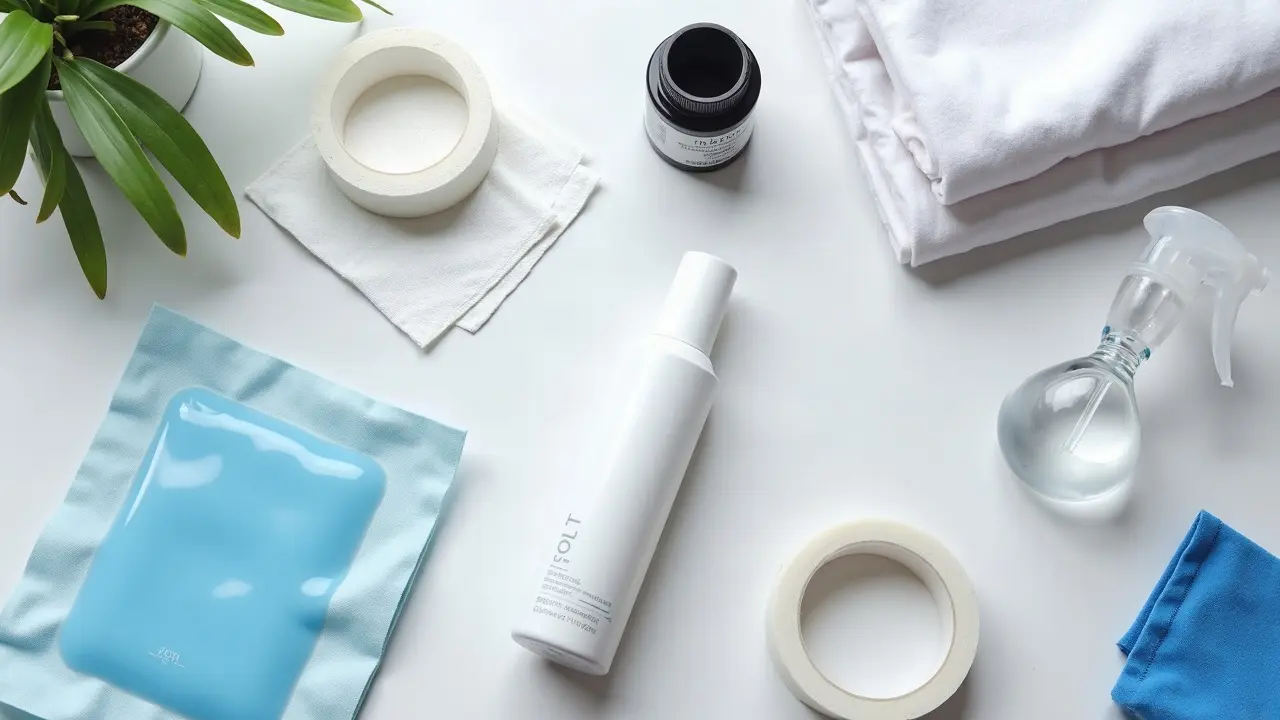
Most new tattoos feel like a sunburn. When pain spikes outside that pattern, it usually traces back to skin sensitivity, tattoo trauma from overworking, or an irritant or allergic reaction. The good news, in more than 80 percent of cases I see in studio, the fix is practical and starts at home. The key is recognizing what is normal soreness and what is a red flag that needs a pro.
Normal soreness vs red flags: reading tattoo pain
Tattoo pain typically follows a predictable arc. Day 1 feels hot and raw, 2–4 out of 10 while resting. Days 2–3 bring tightness, mild throbbing, and itch. By day 4–7, discomfort should trend down as flaking starts. A sharp reversal, escalating pain, or deep ache under the skin is your signal to reassess care or call a clinician.
- Normal: warm, tender skin for 24–48 hours, light oozing of plasma, mild swelling that reduces overnight.
- Normal: itch peaks around days 3–5 and improves once flaking settles. Pain stays below 4/10 at rest.
- Caution: pain above 6/10 at rest, throbbing that disrupts sleep, or swelling that worsens after day 3.
- Caution: shiny tight skin with spreading redness bigger than a credit card or red streaks traveling upward.
- Urgent: fever over 100.4°F or chills, pus with a foul odor, or rapidly increasing heat that does not ease with rest.
For evidence-based checkpoints on infection and wound care, see the Cleveland Clinic and Mayo Clinic overviews, which outline signs that suggest medical attention is needed (Cleveland Clinic, Mayo Clinic). When in doubt, a quick telehealth chat can save you days of discomfort.
Why pain flares: sensitivity, trauma, and environment
Unexpected pain almost always has a clear trigger. Skin sensitivity can spike from fragrance, harsh soaps, or even laundry detergents rubbing on a fresh piece. Tattoo trauma happens when a section is overworked, shading runs long on thin skin, or needle groupings are too aggressive for the placement. Environment matters too, from heat and sweat trapped under clothes to friction from waistbands, bras, or boots.
Some pigments, especially certain reds that historically included metals like nickel, are more likely to provoke reactions. The American Academy of Dermatology has long noted that tattoos can trigger allergic or irritant dermatitis, especially in sensitive skin (American Academy of Dermatology). The FDA also flags that tattoo inks vary widely in composition, and reactions can show up days or even months later (U.S. FDA on tattoo inks).
At-home relief that actually works
Start with the basics and stay consistent. Clean gently twice daily with lukewarm water and a fragrance-free cleanser. Pat dry, then apply a thin layer of a neutral, non-petrolatum balm or a light water-based lotion to keep the skin pliable without clogging.
- Cold compress: 10 minutes on, 20 minutes off for the first 24–48 hours to reduce heat and swelling. Wrap ice in a clean towel, never direct on skin.
- Elevation: keep ankles, feet, and forearms raised for 20–30 minutes a few times per day to limit pooling and pressure.
- OTC pain relief: acetaminophen as directed is gentler on bleeding risk. Avoid high-dose NSAIDs early if you are still oozing.
- Barrier film: a breathable second-skin like Saniderm or SecondSkin can shield friction for 24–72 hours if your artist approves.
- Moisturizers that behave: Bepanthen, Aquaphor Healing Ointment, Hustle Butter Deluxe, or Mad Rabbit Repair applied thinly twice daily (non-sponsored examples).
If pain reduces within 12–24 hours of this routine, you likely had an irritant or friction flare, not a complication. If pain persists or ramps up, move to the next section and cross-check symptoms.
Allergic or irritant reactions: steps to take now
Allergic reactions tend to be itchy, bumpy, and stubborn, while irritant reactions feel more like burning and tightness. Borders can be jagged and raised. Reds and yellows are usual suspects, but any color can trigger a response. You may notice pinpoint blisters or persistent welts that return after moisturizing.
- Strip irritants: switch to fragrance-free body wash and laundry detergent. Avoid alcohol-based toners or retinoids near the area.
- Cool it: short cool showers and loose, breathable cotton minimize heat and friction that fuel reactivity.
- Topicals: a thin layer of 1% hydrocortisone around, not over open weeping areas, can settle itch for 2–3 days. Stop if worsening.
- Oral antihistamines: cetirizine or loratadine as directed can blunt itch without drowsiness. Check medication interactions first.
- Get a pro opinion: persistent welts, blistering, or spreading rash deserve a clinician. Snap clear photos in good light for comparison.
The AAD notes that patch testing may be useful if reactions keep happening, especially with red pigments. For more targeted aftercare in sensitive skin, bookmark our guide to tattoo aftercare for allergic, sensitive, reactive skin. The FDA also tracks tattoo-ink safety updates that your dermatologist may reference in treatment decisions (U.S. FDA on tattoo inks).
Is it infected? Timeline, signs, and next moves
True infections usually declare themselves after day 3–5. Look for worsening pain, heat, thicker yellow-green drainage, or fever. Mild redness is normal at first, but spreading, sharply tender redness around the tattoo edges needs a medical check. Do not start leftover antibiotics on your own.
- Classic signs: escalating pain, warmth, swelling that does not recede overnight, foul odor, red streaks, or fever over 100.4°F.
- Where to go: urgent care or your primary care. Many clinics can start antibiotics the same day and advise on wound dressings.
- Costs: cash visits in the U.S. commonly run $100–$250, plus $10–$40 for prescriptions, depending on location and insurance.
- Do not: lance, squeeze, or apply peroxide or alcohol. These destroy healing tissue and deepen the injury.
- Do: rest, hydrate, keep the area lightly covered with a breathable dressing until seen.
Both Cleveland Clinic and Healthline outline infection warning signs and care basics that align with standard wound-care practices (Cleveland Clinic, Healthline). If your symptoms check more than two boxes above, schedule care today.
Swelling, bruising, and nerve zaps by body area
Placement changes everything. Feet and ankles swell more because gravity and tighter footwear trap fluid. Ribs and sternum radiate sharp stings because the needle sits near bone and intercostal nerves. Inner arm can produce electric twinges for days as superficial nerves complain. Most of this is normal and improves with basic rest, elevation, and time.
- Feet and ankles: aim for 20 minutes of elevation 3–4 times daily the first week. Consider a loose compression sock after day 2 if swelling persists.
- Ribs and sternum: pain can feel like 6–7/10 when coughing or laughing for 2–3 days. Hug a pillow and use slow breaths to reduce spikes.
- Outer bicep and shoulder: usually 3–4/10, but sleep pressure can flare pain. Use a clean T-shirt as a barrier to reduce stick and rub.
- Hands and fingers: expect more bruising and stiffness for 3–5 days. Short soapy rinses and air-drying help avoid maceration.
- Back and thigh: big canvases ache in the muscle layer. Gentle walking and hydration help flush soreness in 24–72 hours.
If numbness or tingling spreads beyond the tattoo, or you lose range of motion, speak with a clinician. Most nerve zaps are temporary, but function loss is not a wait and see issue.
Aftercare habits that prolong pain
A perfect tattoo can still hurt if the aftercare is off. Heavy ointment layers suffocate skin, locking in heat and raising the sting. Over-washing strips protective oils, while under-washing leaves sweat and bacteria to irritate the wound. Fragrance is a common flare trigger, even from products you normally tolerate.
- Keep it thin: a pea-sized amount of ointment or lotion covers a palm-sized area. Shiny wet equals too much.
- Wash smart: 2 short cleans per day with fragrance-free soap, then pat dry. No scrubbing, no loofahs.
- Hands off: do not pick flakes or cut lifted edges. Trim snagging film with clean scissors rather than peeling.
- Clothing: choose loose cotton. Avoid denim seams, sports bras, or boots that rub the tattoo for the first 5–7 days.
- Sun and sweat: no sunbeds or intense training for 7–10 days. Heat, salt, and friction are pain multipliers.
If your skin runs hot and reactive, our guide to tattoo aftercare for inflamed skin types spells out product picks and routines that stay gentle without sacrificing hygiene.
Technique, session variables, and planning next time
Not all pain is aftercare. Sometimes a panel hurts because it was overworked. Dense color packing on thin skin, long sessions past the 3–4 hour mark without breaks, or pushing lines too deep can all raise trauma. Artists also vary needle depth and speed by style. None of this means your tattoo is doomed, but it does shape the recovery.
Talk to your artist. Share photos and timelines. They might recommend shorter follow-up sessions, a day or two of barrier film like Saniderm, or a switch to a lighter balm. If you plan another piece, consider topical numbing used safely before the session, choose strategic placements, and plan rest days after large work. For smart planning from consult to kit, see our studio-first guide to first tattoo safeguards and preparations and material choices in aftercare for different inks and materials.
If you suspect an allergic reaction to a specific pigment, ask about patch testing with a dermatologist. The AAD and Mayo Clinic both note that testing can clarify triggers and prevent repeat flares (American Academy of Dermatology, Mayo Clinic). Keep a record of inks used, session dates, and any OTC products applied. That log helps your artist and clinician identify patterns fast.
Pain is easier to accept when the art is perfect for you. Use AI for Tattoo to refine concepts before you sit. Generate custom designs in minutes with Create, then see placement and scale instantly with Try On. Make decisions now that your future healed skin will thank you for.
Try AI for Tattoo Free