
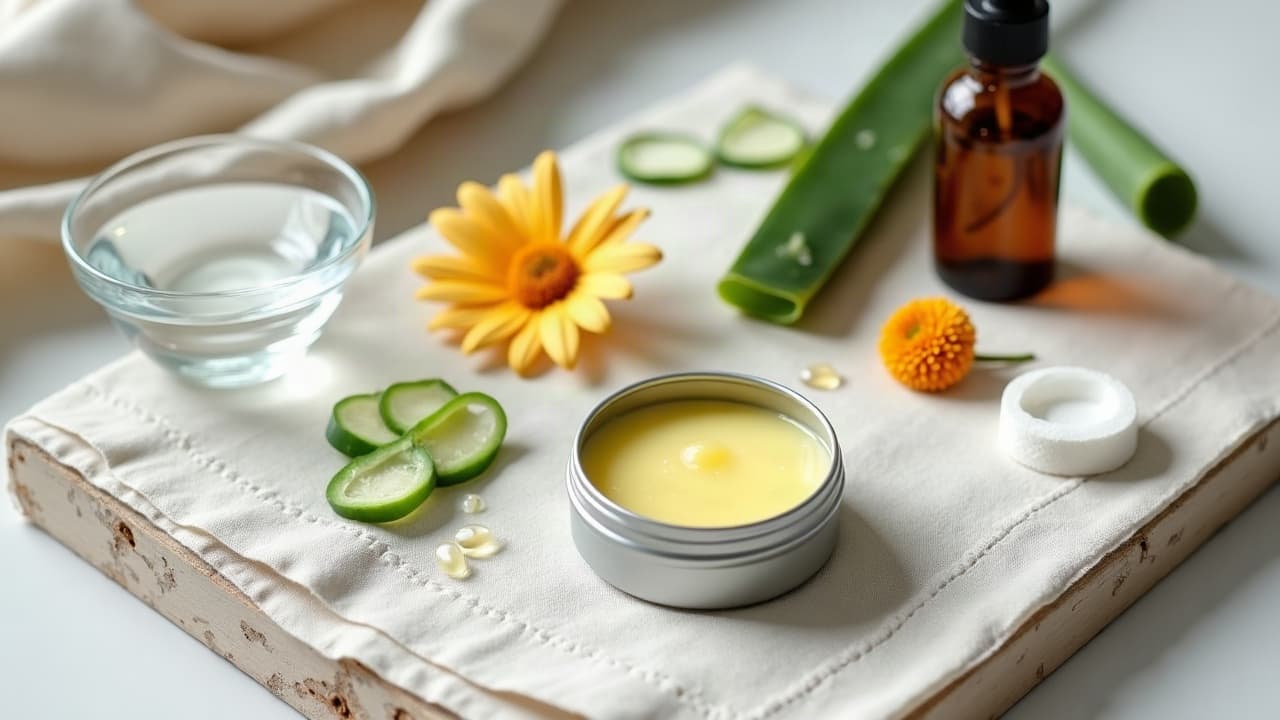
The top layer of a new tattoo usually seals in about 7–14 days, but how you care for it in that window decides how sharp your color looks for years. Leading dermatology sources describe this as a controlled wound that benefits from gentle cleansing, light occlusion, and sun avoidance, not harsh disinfectants or perfumed creams. See foundational guidance from the American Academy of Dermatology and a practical overview of timelines from Healthline.
This guide focuses on natural tattoo aftercare that plays well with ink and your skin barrier. We will use evidence-informed ingredients like aloe, colloidal oatmeal, and shea butter, and we will flag popular naturals that backfire. Pair this with what your artist tells you, since technique and placement change details.
Start With The Fundamentals: Clean, Cover, Calm
Right after your session, your artist may use a sterile film such as Saniderm or Dermalize. These breathable dressings are not “natural,” but for the first 24–72 hours they can reduce friction and contamination so your natural care has an easier job. If you leave the shop wrapped in plastic for the commute, swap to a clean film or open air protocol as directed.
For cleansing, your goal is skin-neutral and fragrance free. Use lukewarm water and a few drops of pH-balanced, unscented soap. Pat dry with a clean paper towel. Resources like Cleveland Clinic wound healing basics emphasize not scrubbing, not soaking, and letting the area dry before any moisturizer.
- Days 0–1: Keep the initial film on as instructed, usually 12–24 hours. If no film, clean 2 times daily with mild soap and water, pat dry, then thinly moisturize.
- Days 2–3: If using second skin, switch to a fresh piece or remove permanently and start gentle open healing with light, clean clothing.
- Always: Hands first. Wash hands before touching your tattoo. Skip loofahs, bath soaks, pools, and saunas for at least 2 weeks.
Plant Oils and Butters That Play Nice With Fresh Ink
Not every oil is friendly to a new tattoo. You want lightweight occlusion and barrier support, not pore clogging or allergens. Jojoba oil mimics human sebum and absorbs cleanly. Shea butter and squalane (plant-derived) give lasting slip without heavy shine. Start very thin, about a rice-grain amount per palm-sized area, to avoid suffocating the skin.
Caution with coconut oil on fresh ink, since it is comedogenic for many and can feel too occlusive. Avoid straight essential oils like tea tree or lavender on a healing tattoo. If you must, wait until flaking is over, dilute to 0.5–1 percent, and patch test. Classic ointments like Aquaphor and Bepanthen are widely used, but they are not strictly natural. If you prefer plant-forward, look at Hustle Butter or Mad Rabbit balms, both fragrance conscious and designed for tattooed skin.
- Good picks: cold-pressed jojoba, refined shea, olive-derived squalane. Use 2–3 times daily in a sheer layer when the skin feels tight.
- Named product examples: Hustle Butter Deluxe, Mad Rabbit Soothing Gel, Bepanthen, Aquaphor (non-sponsored examples). Expect $10–$25 per jar or tube.
- Application rule: If it looks shiny or sticky after 5 minutes, you used too much. Blot, then reapply less at the next session.
Evidence-Backed Botanicals: Aloe, Calendula, Oat, Tea, Honey
Aloe vera gel, free of fragrance and dyes, can cool and reduce surface discomfort. Colloidal oatmeal has soothing beta-glucans that help with itch. Calendula and chamomile are common post-procedure botanicals, but patch test if you have seasonal allergies. Reviews of plant polyphenols suggest green tea EGCG may support skin recovery by moderating oxidative stress. See summaries at NIH NCBI.
Medical-grade honey, especially manuka, has been studied in wound environments for moisture balance and microbial control. If you try honey, use sterile, labeled medical products, not kitchen honey. The Mayo Clinic notes honey’s role in some wound settings, but it is not a cure-all. Keep layers thin and avoid stickiness that traps lint.
Fragrances are a common trigger for contact dermatitis, so stick to fragrance free versions. The American Academy of Dermatology guidance consistently flags fragrance as a top irritant class.
- Aloe vera: Use a pea-sized amount 1–2 times daily during days 2–7, refrigerate for extra cooling. Choose 99 percent gel with no perfume.
- Colloidal oatmeal: Make a thin paste with sterile water. Spot-apply for 10 minutes to itchy edges, then rinse and pat dry.
- Green tea compress: Brew, cool completely, soak sterile gauze, then apply for 5 minutes. Do not rub. Discard after one use.
- Medical honey: If used, apply a razor-thin layer, cover with non-stick sterile gauze, replace daily.
Hydration, Sleep, and Food: Internal Boosters That Matter
Your skin is rebuilding lipids and laying down new keratin. Give it raw materials. Aim for 1.5–2.5 liters of water per day, 7–9 hours of sleep, and steady protein across meals. Micronutrients that support normal wound physiology include vitamin C, zinc, and omega-3s. For an evidence-informed overview of nutrition and wound healing, see the Cleveland Clinic.
If you want a deeper menu-level plan that pairs with this article, check our internal guide to foods that support skin health. It covers easy grocery swaps that keep inflammation low without going ultra strict.
- Easy wins: citrus or kiwi with breakfast for vitamin C, a handful of pumpkin seeds for zinc, salmon or flax for omega-3s.
- Go steady: 20–30 g of protein per meal for the first 10–14 days supports normal tissue repair without megadoses.
- Skip spikes: Limit alcohol and ultra-processed snacks for 1–2 weeks. They can worsen swelling and dryness.
Sun, Heat, and Water: Protecting Color While You Heal
UV is the biggest natural enemy of ink. Keep a fresh tattoo out of direct sun completely for the first 2–3 weeks. After the top flakes are gone and the skin is intact, use mineral sunscreen SPF 30–50 with zinc oxide or titanium dioxide. The AAD underscores daily sun protection to preserve skin health long term. See the American Academy of Dermatology.
Avoid hot tubs, pools, lakes, and long baths until the tattoo stops flaking and feels smooth again. That is usually around 2–3 weeks, but large or heavily saturated pieces may take longer. For a clear timeline on swelling, itch, and flake phases, read this Healthline overview of tattoo healing timelines.
- Shade first: loose UPF shirt or breathable bandage if you must be outside the first two weeks.
- Sunscreen later: mineral SPF over healed skin only. Reapply every 2 hours if you are outdoors.
- Heat control: skip saunas and intense hot yoga during weeks 1–2 to minimize sweat and friction.
Microbiome-Friendly Hygiene: What To Use, What To Skip
Good skin bacteria help maintain pH and barrier function. You do not want to nuke them with harsh antiseptics. Avoid hydrogen peroxide, rubbing alcohol, and abrasive scrubs on a new tattoo. Gentle soap, clean water, and air are plenty for normal healing, a view echoed across mainstream dermatology resources like the Cleveland Clinic and the American Academy of Dermatology.
If your skin is very reactive, choose fragrance free laundry detergent for clothing that touches the tattoo. Wear soft, breathable fabrics that do not shed lint. If you tape gauze, use a hypoallergenic paper tape and change it daily.
- Use: pH-balanced unscented soap, clean water, paper towels, sterile non-stick pads for short periods.
- Skip: peroxide, alcohol, antibacterial gels, gritty scrubs, and perfume-laced lotions that spike irritation risk.
- Routine: 2–3 gentle washes per day during days 0–7, then once daily as your skin normalizes.
Itch Control and Flake Management Without Picking
Itch peaks while the outer layer is shedding. Do not pick, tweeze, or shave. Tapping lightly with clean fingers, holding a cool compress for 5 minutes, or using a dab of colloidal oatmeal paste can take the edge off. A thin layer of aloe or a light balm helps flakes lie flat so clothing does not catch.
If a flake half-detaches, resist the urge to pull. You can lift it minimally with a moistened cotton swab, trim with sterile scissors if it is truly dangling, then spot moisturize. Healthline’s guides note that picking can remove ink particles and create light spots. See this Healthline resource for general itch timelines.
- Do: pat, cool, moisturize lightly, wear smooth fabrics.
- Avoid: scratching, adhesive bandages on hair, heavy occlusion that traps sweat.
- Night tip: a clean long-sleeve or sock over the area discourages unconscious scratching during sleep.
What Sounds Natural But Backfires
Kitchen honey, DIY salves, and undiluted essential oils are not sterile, and contamination can lead to infections. Read tattoo safety notes at the U.S. FDA. Highly occlusive butters can over-macerate skin. Straight coconut oil is a maybe-later, not a day-one fix. Lemon juice or vinegar on tattoos is a myth and can burn.
Numbing creams like TKTX are for pre-session use, not aftercare. Post-procedure application can irritate, and you do not need anesthetic once you are home. If something looks angry red, oozes pus, or smells bad, stop experimenting and contact your artist or a clinician promptly.
- Skip this: undiluted tea tree, peppermint, cinnamon oils. Do this: wait until healed, then dilute to 0.5–1 percent, and patch test.
- Skip this: heavy wax salves all day. Do this: micro-thin layers of jojoba or shea, then let the skin breathe.
- Skip this: pool and lake “salt therapy.” Do this: sterile saline rinse if recommended, then dry and cover with clean clothing.
A Simple 21-Day Natural Aftercare Routine
Use this as a baseline and adjust to size and placement. If your artist gave different instructions, follow theirs first. Budget about $20–$40 for soap, film or gauze, and a quality balm. That small spend protects a tattoo that likely cost $150–$800.
If you manage chronic conditions or take medications that affect healing, pair this plan with our focused advice for complex recoveries in aftercare for chronic pain syndromes.
- Days 0–3: Film on as instructed or cleanse 2–3 times daily. Moisturize ultra thin with jojoba or a light balm like Hustle Butter. No workouts that soak clothing.
- Days 4–14: Switch to open healing. Add aloe or colloidal oatmeal for itch. Keep layers microscopic. Avoid sun, pools, and tight seams. Wash once or twice daily.
- Days 15–21: Skin looks smooth again. Start mineral SPF 30–50 before sun. Moisturize as needed. Resume normal workouts, but still avoid frictiony gear on the tattoo.
Planning fresh ink while you tune your aftercare kit? Use AI for Tattoo to lock your concept before the healing starts. Generate ideas in minutes with Create, then preview placement with our realistic Try-On so your natural routine protects a design you already love.
Try AI for Tattoo Free