
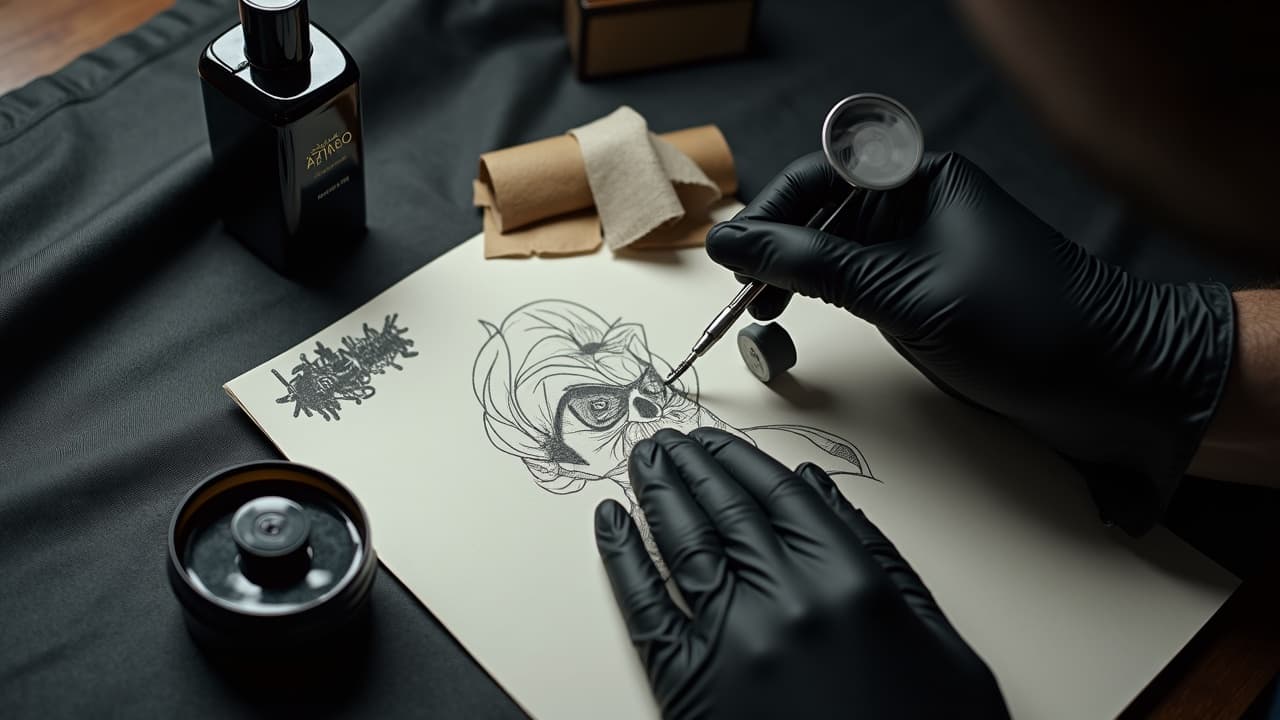
Most professional studios quietly expect at least one minor touch-up in a tattoo’s early life, often comped within 6–12 months if aftercare was followed. That is not a failure, it is how real skin heals. Pigment settles, tiny line breaks happen, and sun does what sun does. A targeted pass can bring your tattoo back to crisp and saturated without turning it into something else. If you know when to book and what to ask for, a touch-up is fast, lower pain, and much cheaper than a full rework.
What Counts as a Tattoo Touch-Up
A touch-up is a focused pass to reinforce what is already there, not a redo. Think of it as boosting line crispness, even-ing out washy shading, or re-popping highlights that dulled during healing. Most artists limit touch-ups to the original shapes and color fields. Changing subject matter, resizing, or adding new elements shifts you into rework or cover-up territory and will be quoted like new work. If your studio offers a touch-up window, read the policy closely so you know what is included and what is not. Many shops cover tiny holidays and sink-in spots, not major design changes.
- Touch-up: same design, minor reinforcement of lines, shading, or color. Typical chair time 15–60 minutes depending on size and detail.
- Rework: updating technique or contrast across large areas. Often 1–3 hours and billed at the artist’s hourly rate.
- Cover-up: hiding or transforming an old piece with a new design. Requires consults, stencils, and usually multiple sessions.
When to Get a Tattoo Touch-Up
Timing matters. Skin needs to be fully healed before any needle goes back in. For most people, that means a minimum of 6–8 weeks post-tattoo, longer if you had heavy saturation or scabbing. Many studios suggest evaluating at the 3–6 month mark, after the deeper layers settle and micro-flaking resolves. Beyond the first year, plan to reassess every 3–5 years if you are in high sun or have friction-prone placements like wrists or ankles. If your artist offered a no-charge touch-up period, ask whether it is 3, 6, or 12 months, and what voids it, like sunburn or picking.
- Patchy color fields where some zones look noticeably lighter after healing, especially in solid blacks, reds, or pastels.
- Line breaks or fuzzy segments in fine-line areas. A clean pass can close gaps and sharpen corners.
- Healed blowout halos that are mild. Severe blowouts need design strategy, not a simple touch-up.
- Highlights that vanished under the skin’s natural gloss. Re-hit whites or light tones once fully healed.
- Areas exposed to heavy sun or abrasion that lost pop faster than the rest of the tattoo.
Why Tattoos Need Touch-Ups
Two realities drive touch-ups: living skin and outside stress. Your immune system gradually clears some pigment over time, and early healing can lift more than expected in certain spots. UV exposure accelerates fading, which is why the American Academy of Dermatology stresses broad-spectrum SPF 30+ and clothing coverage to protect tattoos. Infections can also change how ink settles, so knowing the red flags is key. The Cleveland Clinic outlines warning signs like increasing redness, swelling, pus, or fever that need medical attention, not more ink. Materials also matter. Tattoo inks are not FDA-approved for injection, and the U.S. FDA cautions that composition and contamination risks vary by supplier. None of this means tattoos are unsafe, it just means maintenance is real and smart planning prevents bigger problems.
- Healing loss: overworked zones or thicker scabs can lift pigment unevenly, leaving light patches.
- High-motion or high-friction placement: wrists, fingers, ankles, and ribs often need earlier reinforcement.
- Sun and tanning beds: UV breaks down pigment molecules. Daily sunscreen slows it dramatically.
- Color choices: pastels and yellows show fading sooner than dense blacks or deep blues.
- Technique tolerance: ultra-fine single-needle lines look elegant, but may need a quick 10–20 minute touch sooner.
Is Your Tattoo Ready? The Healed-Enough Checklist
If you still have any scabs, flaking, or glossy tight skin, wait. Touching up too early risks scar tissue and muddier lines. The safest rule is full epithelial healing plus a grace period, especially for saturated color. If you are unsure, send your artist daylight photos from multiple angles. Many will greenlight or delay by a couple of weeks based on texture and sheen alone.
- No scabs or flakes anywhere. Skin surface looks matte, not shiny or tight, for at least 7–10 days.
- No hot spots to the touch, and no itching that makes you want to scratch. Mild itch is normal earlier on.
- Color and linework have finished their first settle. This typically happens by 6–8 weeks on average-sized pieces.
- You can press around the area without tenderness. Any lingering soreness is a sign to wait a bit longer.
- You have strict sun protection lined up for after the touch-up, including SPF 30+ and clothing coverage.
How to Prepare for a Tattoo Touch-Up
Preparation is lighter than for a brand-new tattoo but it still matters. Confirm whether your shop charges for touch-ups. Policies range from $0 to $150 for small fixes within a stated window, and standard hourly rates afterward. Share clear photos and a short list of what bugs you so the artist can plan the pass. Avoid alcohol and blood-thinning meds before your appointment, a common guideline supported by general medical advice from the Mayo Clinic about bleeding risk. If you need a strategy chat first, read our consultation prep guide so you go in with focused questions and references.
- Hydrate and sleep the night before. Well-rested skin sits nicer and bleeds less, which keeps lines sharper.
- Skip heavy sun, saunas, and exfoliants on the area for 1–2 weeks pre-appointment.
- Shave only if you are confident. Otherwise, let your artist do it so you do not nick the skin.
- Bring your original reference or healed photos showing what changed. Mark the spots that need love.
- Ask about numbing. Some artists allow TKTX or similar creams if applied correctly, others prefer none.
What to Expect During the Session
Touch-ups are typically shorter and less intense than the first pass. Plan for 15–60 minutes of chair time on small to medium pieces, longer if saturated color needs layering. Pain usually lands around 2–5/10 since the needle hits narrower zones and for less time, but finger and rib work can still spike to 6/10. Your artist may use a tighter needle group for lines or a soft hand for pepper shading. If you use a numbing cream like TKTX, follow your artist’s timing and cleanliness rules or skip it entirely if they advise against it.
- Wear easy-access clothing so the artist can reach and stretch the skin properly.
- Expect a brief stencil or freehand mark to target gaps before inking starts.
- Stay still through short bursts. Touch-ups need precision to avoid doubling lines or muddying edges.
- Ask to review in bright light before bandaging. Tiny misses are cheapest to fix right then.
Aftercare for Touch-Ups
Healing after a touch-up is faster but not instant. Most clients are through the main phase in 3–10 days, depending on size and placement. Treat it like a fresh tattoo on the targeted zones. Your artist may bandage with Saniderm for 24–72 hours, or recommend a thin layer of Aquaphor, Bepanthen, or Hustle Butter for the first 2–3 days, then switch to a light moisturizer like Mad Rabbit until flaking ends (non-sponsored examples). Keep it clean, hands off, and out of the sun. The American Academy of Dermatology reinforces keeping wounds clean and protected, and the Cleveland Clinic lists signs of infection that should be checked by a clinician, not covered with more ink. Diet and hydration influence skin recovery too, see our aftercare diet guide for practical tweaks.
- Wash gently twice daily with lukewarm water and a fragrance-free soap. Pat dry, do not rub.
- Apply a pea-sized amount of ointment or lotion, then blot excess. Over-moisturizing can blur crisp lines.
- Avoid pools, hot tubs, and intense workouts for 3–5 days to reduce moisture and friction.
- Zero sun on the area until peeling stops. Then use broad-spectrum SPF 30+ every day.
- Do not pick flakes. Let them shed naturally or you may reopen micro-wounds and lift pigment again.
- If itching gets intense, see our itch relief techniques for safe options.
Design Impact and Talking With Your Artist
A good touch-up honors the original drawing. The goal is not to thicken every line or darken every shadow. Ask your artist where strategic tweaks create depth without losing delicacy. Sometimes that is a tiny boost to foreground contrast, sometimes it is reinforcing a single outline that anchors the piece. If your tattoo relies on airiness or negative space, keep it. Your artist can often protect those windows while adding selective pop. For visual strategy ideas, skim our negative space techniques guide and bring notes.
- Point to exact spots that lost pop. Vague feedback makes heavy-handed fixes more likely.
- Ask whether a thin glaze of grey wash can add form without darkening the whole piece.
- Discuss line weights. Sometimes a single outer contour at 0.35–0.45 mm is enough to sharpen everything.
- Confirm whites. Re-hitting tiny highlights helps, but overpacking white can heal chalky or blow out.
- Set a ceiling. If it looks 10 percent darker, stop. Micro-restraint preserves the original mood.
Costs, Policies, and Red Flags
Studios vary. Many include one minor touch-up within 6–12 months if you followed aftercare and did not cause preventable damage like sunburn or picking. Beyond that, expect a minimum bench fee or the artist’s hourly rate. Get clarity in writing when you book. Red flags are about safety and unrealistic promises. No one can make a UV-faded pastel look brand new forever. And if you had a strong reaction last time, ask about a patch test and medical clearance. The U.S. FDA notes that pigments and preservatives vary and reactions can occur even after previous tattoos. If redness, swelling, or pain worsens after day two, follow medical guidance from sources like the Mayo Clinic and do not chase it with more ink.
- Warranty windows have rules. Missed appointments or sunburn can void free touch-ups, so ask before you assume.
- Prices vary by market. Quick spot fixes can be $0–$150, larger rework is billed at studio hourly rates.
- Persistent blurring after multiple touch-ups points to placement or skin factors. Consider a design pivot instead.
- Active infection or dermatitis needs medical care. Needles do not fix inflammation, they amplify it.
Planning a precise touch-up or light rework? Preview how small adjustments will read at scale. Use AI for Tattoo to generate variants, compare contrast tweaks, and try them on your body with our virtual fit. Start with a clean mockup in Create, then see placements with Try On. If you need style ideas that suit reinforcement, browse Explore and bring those notes to your artist.
Try AI for Tattoo Free