
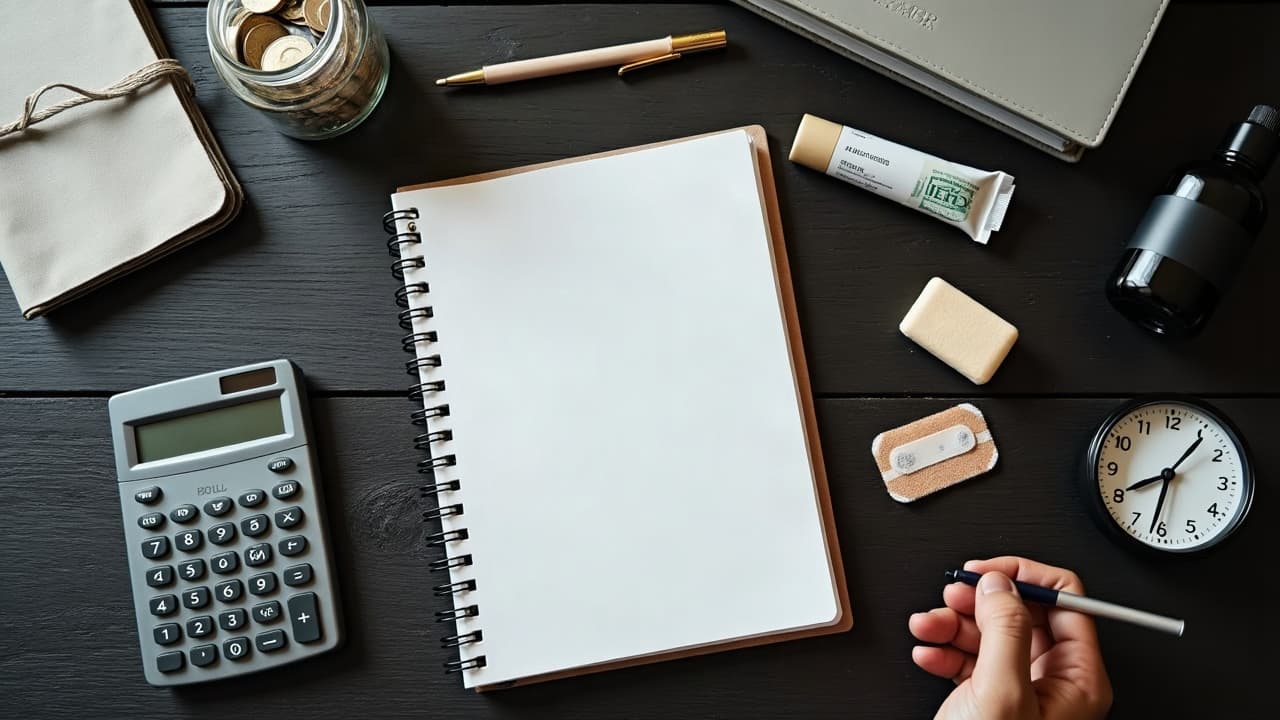
Your first tattoo rarely ends at the artist’s hourly rate. Once you add a deposit, tip, aftercare supplies, and maybe time off work, the real total climbs fast. The good news, a clear plan beats surprises every time.
What Actually Drives Tattoo Price
Three variables set your baseline, the shop minimum, the artist’s hourly rate, and how many hours your design requires. Small, simple pieces can run $150–$300 total. Color realism, fine detail, or large placements pull you into $600–$2,000+ territory because they demand more hours and higher-skill artists.
- Size and placement, bigger areas and spots with tricky curvature or thin skin take more time. Ribs and sternum often add time compared to forearm or calf.
- Style complexity, micro-realism, stippling, and color packing slow the pace. Bold American traditional is usually faster than photorealism at the same size.
- Artist tier, apprentices might be $80–$120/hr, solid mid-tier artists $150–$250/hr, and high-demand specialists $300–$500+/hr.
- Color vs black and grey, color adds 30–60 minutes on small pieces and hours on large ones because of layering and saturation.
- Shop minimums, many studios have a $80–$150 minimum to cover sterilization and setup, even for tiny tattoos.
- Geography, major cities or destination shops price higher than small towns, often a 20–40% difference.
For ballpark ranges and what influences pricing, see this consumer-friendly overview from Healthline. If you are optimizing design complexity to match your budget, our internal guide on AI prompt complexity strategies explains how small changes in detail shift time and cost.
Build a Realistic First Tattoo Budget
Treat the tattoo like a mini project budget. Separate the must-pays from the optional add-ons. For a first timer booking a 2 to 3 hour session at $180/hr, here is a sensible structure.
- Deposit, $50–$200. Most shops apply it to the final price if you show up. Nonrefundable if you cancel late.
- Session cost, hours x rate. Example, 3 hours x $180 = $540.
- Design or redraw fee, sometimes bundled, sometimes $25–$150 if you request major changes.
- Tip, industry norm 15–25% of the tattoo price. Example, 20% of $540 = $108.
- Aftercare supplies, $10–$40 for wash and ointment. $15–$35 if you use a film dressing like Saniderm.
- Numbing cream, optional $20–$40 if approved by your artist. Test a small patch days before in case of sensitivity.
- Travel, parking, ride share, $10–$50 depending on your city.
- Time off work, count lost wages if applicable. Even 2–4 hours matters if you are hourly.
- Contingency, add 10% for overages, extra needles, or an extended session.
You will also want a sliver of budget for safety. Infections are uncommon in reputable studios, but proper aftercare matters. For medical red flags like spreading redness, fever, or pus, the Cleveland Clinic outlines when to call a clinician.
Copy This Plug-and-Play Budgeting Template
Paste this into your notes, fill in your numbers, then add 10 percent as a cushion. I included an example line by line for a realistic first piece on the outer forearm.
- Artist hourly rate: ____ | Example $180/hr
- Estimated hours: ____ | Example 3 hours
- Session subtotal: rate x hours = ____ | Example $540
- Deposit: ____ | Example $100 (applied to final bill)
- Design/redraw fee: ____ | Example $50
- Tip (15–25%): ____ | Example $108 at 20%
- Aftercare wash + ointment: ____ | Example $22 (H2Ocean wash + Aquaphor) (non-sponsored examples)
- Second skin film: ____ | Example $18 (Saniderm) (non-sponsored examples)
- Transit/parking: ____ | Example $24
- Numbing cream: ____ | Example $0 (skipped)
- Time off work: ____ | Example $0 (evening appointment)
- Contingency 10%: ____ | Example $54
- Total estimated out-of-pocket: ____ | Example $756 (before deposit credit), $656 after deposit is applied
If your estimate feels heavy, review the hours, simplify details, or move to a lower-friction placement. Our piece on prepping your skin can also shorten chair time by helping your skin sit better.
Hidden Costs First-Timers Miss
These are not traps, they are normal realities of a professional studio and a living piece of art. Plan for them so none of it stings later.
- Touch-ups, some artists include a quick touch-up within 30–90 days, others charge $50–$150. Ask what is covered and how soon you must book.
- Rescheduling, a 24–72 hour notice policy is standard. Late changes often forfeit your $50–$200 deposit because the slot cannot be rebooked.
- Color maintenance, bright colors may need a refresh in a few years if you are outdoors a lot. Daily SPF 30+ slows fading.
- Cover-ups, expect 1.5x–3x the time of a fresh piece at the same size, thanks to design constraints and saturation.
- Laser removal, market rates are often $200–$500 per session, with 6–10 sessions for medium pieces. The FDA notes that multiple sessions are usually required and outcomes vary.
- Allergic reactions, uncommon but possible, especially with reds. The American Academy of Dermatology highlights pigment allergies and granulomas, which may require medical care.
Choose the Right Artist Without Blowing the Budget
The cheapest option can be the most expensive if you need a fix later. Prioritize clean portfolios, healed photos, and shop hygiene. If your favorite artist is out of range, you still have options without compromising safety.
- Target mid-tier excellence, look for artists with 3–8 years of consistent work at $150–$220/hr rather than big-name rates.
- Book flash or repeatable motifs from a specialist, these run faster and cheaper than fully custom realism.
- Ask about minimum-size thresholds, shrinking a design below a studio’s needle and detail limits can guarantee a blowout later.
- Consider apprentices for small blackwork, only if supervised by a reputable studio and you like their healed results.
- Avoid at-home set-ups, legitimate studios follow disinfection protocols. For safety guidance, see the Cleveland Clinic and the AAD’s consumer pages.
If you are worried about over-detailing the design, align scope and budget early. Our primer on AI prompt complexity shows how to scale details responsibly before consulting your artist.
Session Length, Pain, and How They Affect Money
Time is money in tattooing. Breaks, posture changes, and pain tolerance shift actual hours. A small forearm script might be 1 hour, while a color half-sleeve can be 10–16 hours split across sessions. Numbing cream can help some clients sit longer, but always clear it with your artist first.
- Placement matters, ribs, sternum, and knee ditch often need more breaks than outer arm or thigh, which adds 30–60 minutes on the same design.
- Skin prep counts, hydrated skin, no sunburn, and good sleep can shave off setup and wipe-down time. See our skin prep guide.
- Healing window, plan lighter activity for 3–7 days and avoid submersion for 2–3 weeks. The Mayo Clinic and AAD note tattoos are wounds that need protected healing.
Smart Ways to Save Without Cutting Corners
You never negotiate another person’s labor. Instead, adjust the scope or logistics. The goal is the same, a crisp healed tattoo from a clean studio, at a price you can comfortably absorb.
- Right-size the design, trimming 10–20% of surface area can drop an hour without ruining impact.
- Simplify style choices, switch heavy color blends to black and grey, or trade hyper detail for confident linework.
- Pick friendly placements, outer forearm or calf usually tattoo faster than ribs or ankle, which helps the budget.
- Batch small pieces, ask if two small tattoos in one sitting beat paying two shop minimums on separate days.
- Book weekdays, some artists offer small weekday flexibility discounts during slower hours. Never expect it, politely ask.
- Use reference tools first, generate and test designs at home so you avoid paid redraw loops later.
Payment, Tipping, and Deposits Explained
Studios will post policies, but it helps to know the norms before you message an artist. Clear money talk keeps the art talk easy.
- Deposits, standard $50–$200, nonrefundable if you cancel late or no-show. Usually credited toward your final bill.
- Payment methods, many shops prefer cash for the tattoo portion and card for merch or deposits. Ask about taxes or card fees.
- Tipping, common 15–25% of the tattoo price before tax. Tip in cash unless the shop can add it by card without extra fees.
- Quotes vs estimates, custom work is an estimate, not a guarantee, because skin, posture, and detail decisions can change time.
- Receipts and invoices, request an itemized receipt if you are tracking a larger project over multiple sessions.
Aftercare Is Part of the Budget
The most expensive tattoo is the one you have to rework because you cut corners on care. Plan for high-quality wash, ointment, and sun defense. A film dressing can reduce friction for the first days if your artist recommends it.
- Cleansers, fragrance-free antibacterial options like Dial Gold or H2Ocean wash, $6–$14.
- Moisturizers, Aquaphor, Bepanthen, Hustle Butter, or Mad Rabbit, $8–$25 depending on size (non-sponsored examples).
- Film dressings, Saniderm or Derm Shield, $15–$35 per pack (non-sponsored examples).
- Sunscreen, SPF 30+ broad spectrum, $10–$20. UV is the number one fade engine. The AAD and Healthline both emphasize sun protection.
- Know the red flags, swelling that worsens after day two, pus, fever, or streaking redness. The Cleveland Clinic and AAD outline when to see a professional.
For context on regulation and pigments, the FDA provides consumer information on ink ingredients and removal limitations. Combine that with studio hygiene best practices, like our guide to standard precautions, and you protect both your art and your wallet.
Preview before you pay a deposit. With AI for Tattoo, you can generate budget-friendly concepts that match your style, then try them on your body virtually to right-size detail and placement. Start with Create, test placements with Try‑On, and browse styles in Explore to refine a design you can confidently book.
Try AI for Tattoo Free