
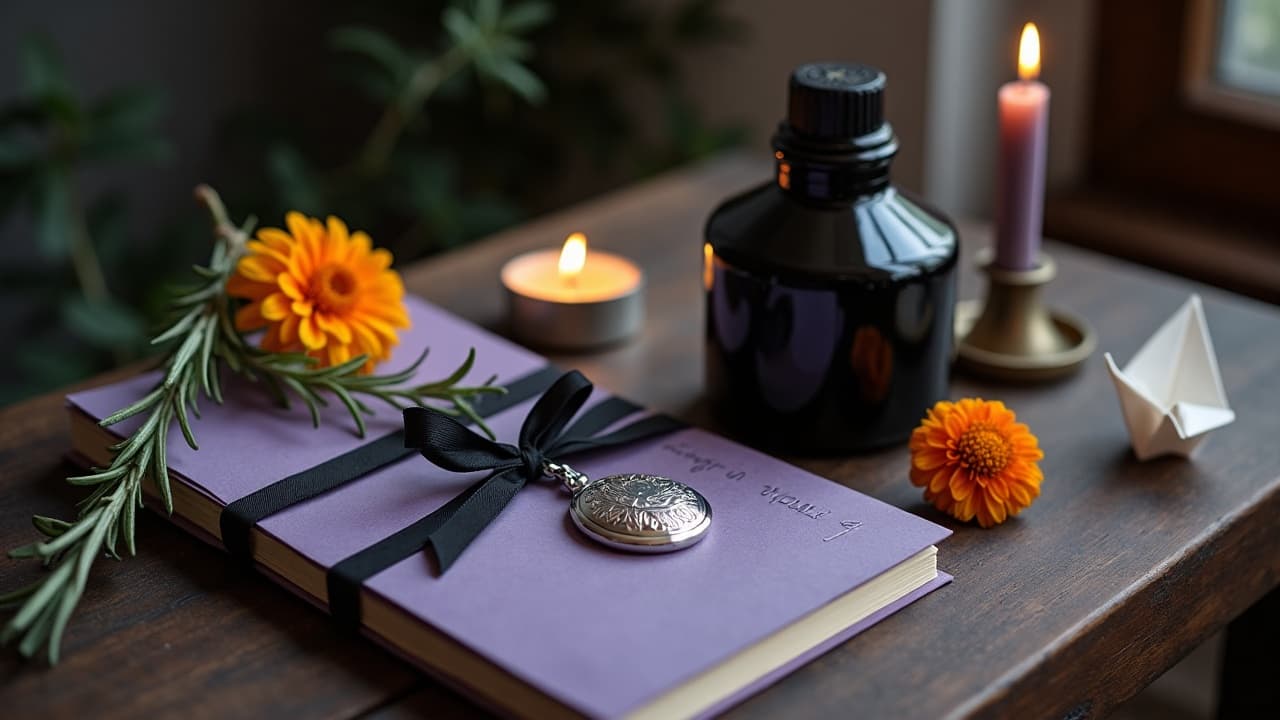
About one in three adults now has at least one tattoo, according to the Pew Research Center. A quiet share of those are memorial tattoos, chosen to hold grief and gratitude in a form the body can carry. Across cultures, ink has long been a language for loss and remembrance, signaling who we honor, what we survived, and where we still belong.
Memorial tattoos, quiet stats and loud meaning
When loss shatters routines, having a physical anchor helps. Tattoos turn private stories into visible commitments, which is why so many people choose dates, script names, or symbols tied to a person or place. You do not need to tell the world what it means, but many find that seeing the piece daily softens jolts of grief over time.
In studios from Los Angeles to Lisbon, I see families book shared sessions for a parent’s handwriting, or friends match a small icon from someone’s jacket patch. This is not new. Shrine cultures, military regiments, and migrant communities have used commemorative tattoos to connect scattered kin. If you prefer a ritual frame, consider reading a short note before the stencil goes on, then taking a photo of the bandage to send to relatives who could not attend.
For emotional pacing, give yourself room. If the loss is fresh, a small first piece can be a bridge. You can add elements later, building a living memorial that grows with you. If you need help balancing tattoo care with grief care, see our mental wellbeing guidelines.
Symbols that speak of grief and honor
Symbols do the heavy lifting when words feel thin. Aim for a motif that taps a shared story with the person you are honoring. Keep it specific, simple, and legible at the size you want. Here are frequent memorial choices and what clients often intend with them.
- Script names in their own handwriting, lifted from letters or recipes, keep the person’s literal hand in your design. A few ligatures cleaned up by the artist still preserve their signature.
- Dates and Roman numerals mark lifelines. Many pair a birthdate with a star or a passing date with a small leaf, a balance of presence and release.
- Coordinates of a hometown, cemetery, or trailhead carry place-based memory. Add a tiny compass, mountain line, or wave to hint at context.
- Flowers with purpose: forget‑me‑not for remembrance, poppy for military losses, marigold for Día de los Muertos, and lily for funerary purity in many Western rituals.
- Animals as messengers: cardinals for visitations, swallows for sailors returning home, butterflies for transformation. Choose a species they loved, not just a symbol list result.
- Soundwave tattoos capture a laugh or voice note. Keep lines high contrast and avoid micro-sizing so the waveform stays readable after healing and aging.
- Objects and tools: a wrench, whisk, or vinyl record communicates craft and taste. These make durable, low-text pieces that wear well at 2 to 3 inches.
- Religious and spiritual marks: rosary, cross, Om, Hamsa, or a surya. Keep them accurate to the tradition and check spacing or diacritics with a practitioner.
For realism portraits, expect 3 to 6 hours for a palm-size face and more for a half sleeve. Choose an artist with a strong healed portfolio in skin tones close to yours and consider our realism planning notes before booking.
Colors of mourning around the world
Color is not just aesthetic, it is cultural code. In many Western contexts, black reads as mourning and formality. In parts of East Asia, white is a funeral color, so a white chrysanthemum might carry weight a Western viewer would miss. In Mexico’s Day of the Dead, marigold orange guides spirits home, a bright color used to celebrate continuity rather than loss.
- Commonwealth remembrance often uses the red poppy, referencing WWI cemetery fields and fundraising traditions since the 1920s.
- Some awareness ribbons show up in memorials, like purple for overdose or pancreatic cancer and gold for childhood cancer. Pair ribbons with dates to avoid ambiguity.
- Black and grey reads somber and ages predictably. If you want quiet color, try desaturated palettes like dusty blue, olive, or muted rose for longevity in sun-exposed areas.
- Allergic reactions cluster around certain pigments, with red ink a frequent culprit. The American Academy of Dermatology notes granulomatous and allergic responses occur more often with reds and yellows.
If you want color but have reactive skin, test a tiny color dot in a low-visibility spot first and let it heal fully. Always discuss pigment sensitivities and sun exposure habits with your artist.
Placement, scale, and pain for carrying memory
Where you place a memorial changes how it feels day to day. Over the heart reads literal and intimate. Inner forearm is easy to see and show. Ankles and ribs are more private. Consider your workplace and family context, and how often you want to be asked about it.
Pain varies by nerve density and skin thickness. For many clients, inner forearm or outer calf runs 3 to 5 out of 10. Chest near the sternum and ribs can be 7 to 9 out of 10. Small script on the wrist is quick but tender. Hydration and sleep help, and a clear meal an hour before keeps you steady. If you are anxious, schedule a short first sitting to build confidence.
If the piece will sit near joints, expect more movement during healing and a higher chance of micro blowouts on thin skin. Ask your artist to right-size the design, then protect it from friction and sun while it settles.
Rituals and keepsakes, safely done
Memorial tattoos often carry a ritual layer. Some clients bring a letter to read before the stencil is placed, others play a song during linework. A few leave a chair open in the booth to mark presence. If you want a keepsake, photograph the stencil and first wipe, then print it for the memorial album.
- Pre-session, write a 100-word note to the person you are honoring. Let your artist know if you want a minute of silence before machines start.
- Bring an object for the station, like a pocketknife or brooch, and set it where you can see it. Take a quick photo once the linework begins.
- Plan a small meal after. Grief spikes can crash your energy. Book a spot nearby and invite one person who understands the day’s weight.
- If several people are getting matched tattoos, decide on tiny differences each can choose, like a leaf direction or star count, so it feels personal and shared.
Avoid adding ashes in ink. The U.S. Food and Drug Administration does not approve any tattoo pigments, and cremains can introduce contaminants or heavy metals. Safer route, seal ashes in a locket, then tattoo a matching symbol. For healing timelines and safe care, see Cleveland Clinic guidance.
Language, scripts, and portraiture without regret
If you are using scripts, check them like you would a headstone. For Japanese or Arabic, get a native speaker to confirm spelling, stroke order, and ligatures. When adding diacritics in Vietnamese or tonal accents in Yoruba, ask your artist to stencil large, then refine, so nothing collapses at final size.
Chicano letterforms for memorials are a tradition in Los Angeles and beyond. Artists like Mister Cartoon shaped that look, mixing sharp filigree with soft shadows. For Japanese memorial kanji, craftspersons such as Horitomo balance brush feel with machine accuracy. For portraits, realism specialists like Nikko Hurtado have set the modern standard. Study healed portfolios, not just fresh posts, and print your reference at the exact tattoo size to check detail limits.
If you are worried about future distortion, keep facial portraits on flatter planes like outer arm or thigh and avoid high-stretch zones. For a low-risk alternative, tattoo an object tied to the person instead of their face.
Working respectfully with cultural styles
Some traditions are open to anyone with care, others are lineage-bound. Māori moko and many Polynesian tatau patterns are not generic. If a design is tied to genealogy or community standing, do not replicate it. Instead, share your story and ask the artist to find a respectful angle, or commission a symbol from your own heritage.
If you love ceremonial framing, read about community practices before you borrow them. Our primer on tattoo ceremonies and cultural practices outlines ways to participate without stepping on sacred ground. A simple rule works well, if you would not wear it to their funeral or temple, rethink the design.
When in doubt, ask. Many culture-keepers are generous with guidance if you approach with humility and compensate fairly. Book with artists who specialize in the style you want, then let them lead on boundaries and motifs.
Care, longevity, and when grief meets skin
Memorials deserve slow, steady healing. Keep the bandage as instructed, then wash gently with unscented soap and pat dry. Moisturize thinly through the healing window of 10 to 14 days, and expect full maturation around 4 to 6 weeks. Trusted sources like Healthline and the Cleveland Clinic echo this timeline. For moisture strategies, see our moisturizing guide.
- Aftercare standbys include Aquaphor, Bepanthen, Hustle Butter, Mad Rabbit, and film dressings like Saniderm or Derm Shield (non-sponsored examples). Use a rice-grain amount, not a glaze.
- Shield from sun with SPF 30+ once healed and fabric coverage during peak hours. UV is the number one fade driver for color memorials like marigolds and poppies.
- If you notice raised, itchy reds or persistent swelling, pause products and contact a dermatologist. The American Academy of Dermatology lists common tattoo reactions and what to watch for.
- Expect light touch-ups every 3 to 5 years on fine-line script or tiny florals. Most studios price touch-ups modestly for returning clients.
Budget realistically. A single-line script or tiny icon usually lands around $120 to $300. Palm-size black and grey portrait work runs $600 to $1,200. Larger commemorative pieces, like a half sleeve with objects and florals, can reach $1,500 to $3,000+ depending on city and artist reputation. Book a consult and bring references that show scale and placement you want, not just the motif.
Grief does not follow a calendar. If your loss is recent, consider spacing design work into stages, linework now and shading later, so your body and head both have room. If the piece becomes a yearly ritual, that is valid too.
Ready to translate a person, a place, or a date into a living mark you can carry? Use AI for Tattoo to sketch options that honor your story without guesswork. Generate ideas in minutes at Create, then preview scale and placement on your body with the Try‑On. Share links with family if you are planning a shared memorial, and walk into your appointment with clarity.
Try AI for Tattoo Free