
Tattoo archaeology confirms human skin marking is at least 5,000 years old, from Ötzi’s lines to Polynesian tatau that never stopped. In many Indigenous communities, tattoos are passports, prayers, and proof of belonging, not just style. Even as about 30 percent of adults in some countries wear ink, only a fraction understand the protocols that guard sacred motifs. If you love tribal aesthetics, learning the names, contexts, and responsibilities comes first. For quick background on history and safety, see Healthline's tattoo history overview and the American Academy of Dermatology. Recent surveys from the Pew Research Center show tattooing’s mainstream rise, yet traditional practices remain deeply specific to culture and place.
What “tribal” actually means and why names matter
In tattooing, “tribal” became a catchall in the 1990s for bold black patterns. It flattened hundreds of living traditions into graphic shorthand. The respectful move is to use community-specific names and understand whether a design is open, restricted, or ceremonial. For example, Māori moko is tied to genealogy, while Samoan tatau follows strict protocols set by master carvers. Many motifs are not just patterns, they are identity documents. Copying them without context can do harm. If you want the look, collaborate with culture-bearer artists and be ready to hear no. For a region-by-region breakdown of Polynesia, read our symbolism guide.
- Say Māori moko or Polynesian tatau, not generic tribal, when discussing specific work.
- Ask if a motif is open to outsiders. Many are closed or require initiation or family links.
- Credit the artist and lineage. Traditional tattooing is often taught through apprenticeship lines.
- If you admire the flow, request a bespoke pattern inspired by geometry rather than a sacred emblem.
Polynesian tatau and Māori moko, lineage written on skin
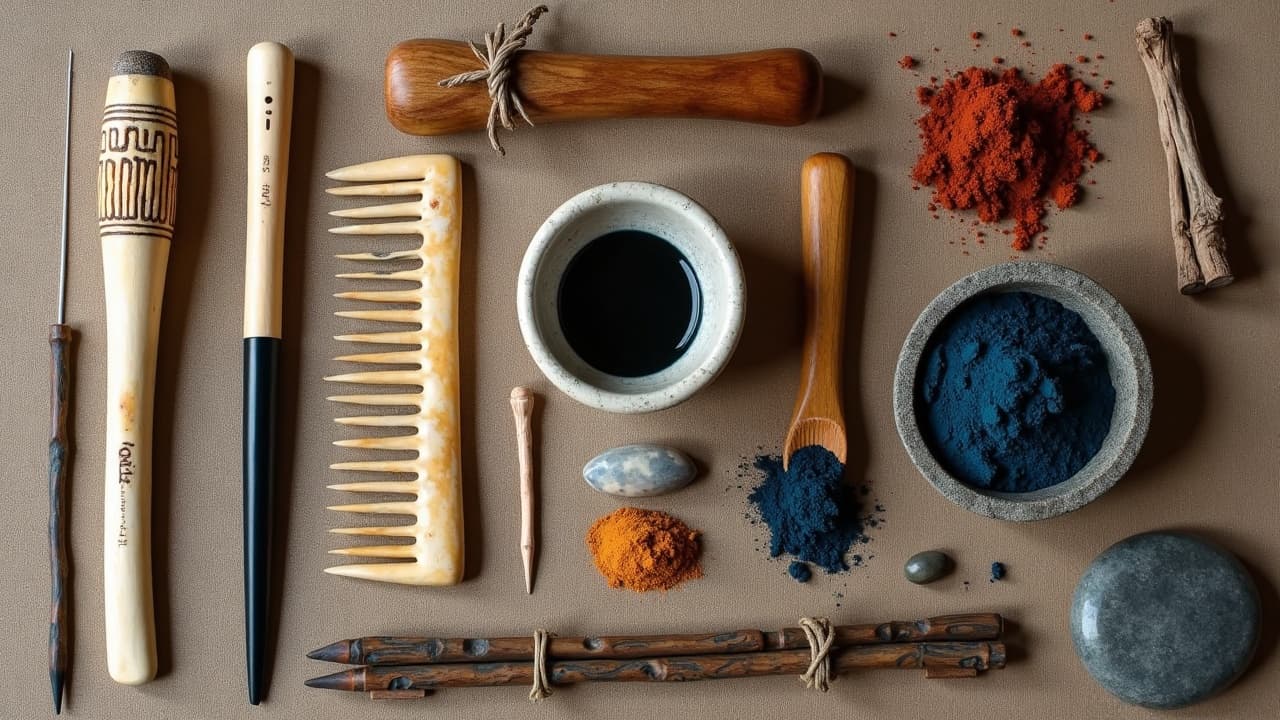
Across Samoa, Tahiti, Marquesas, Hawaii, and Aotearoa New Zealand, tattooing is a text of ancestry. Samoan pe'a and malu are large body suits that represent service, courage, and identity. Māori moko speaks whakapapa, the lines of descent, often mapped to the face or thighs. Techniques include hand-tap with bone combs and hand-poke, though machine work is used in some contemporary contexts with guidance from elders. The pain is real, typically 7-9/10, and the time commitment runs 20-40 hours over 3-6 sessions. Expect expert rates of $150-250 per hour or flat ceremonial pricing where commercial framing does not apply. Notable names include the Sulu'ape family in Samoa, Keone Nunes in Hawaii, and Mark Kopua in Aotearoa. Start any research with community sources, then branch to artists. For symbolism primers and placement ideas, see our Polynesian guide.
Aftercare balances tradition and modern hygiene. Some communities use natural oils, while many artists recommend breathable films or ointments. Common products include Saniderm, Bepanthen, Aquaphor, Hustle Butter, and Mad Rabbit (non-sponsored examples). Initial healing runs 10-14 days, with full settle by 6-8 weeks. For medical basics like infection signs or keloid risks, the American Academy of Dermatology remains a reliable reference.
Kalinga batok in the Philippines, revival and respect
Northern Luzon’s batok uses fruit-thorn or needle-tipped sticks tapped with rhythm. Designs such as tinulipao lines or binakuko centipedes can mark achievements and protection. The global spotlight on Apo Whang-Od and her grandnieces brought renewed pride but also pressure. Ethical visitors coordinate through community channels, avoid unsanctioned middlemen, and accept that some motifs or placements are not for outsiders. Pain is often 6-8/10, especially on shins and wrists, and sessions may be shorter but repeated. Contributions vary by region and custom, commonly $30-200 locally, while diaspora practitioners charge standard studio rates abroad.
Expect 10-14 days of surface healing. Keep the area clean, avoid rivers or pools during healing, and shield from tropical sun. If you want the protective storytelling without copying a specific emblem, request a custom pattern language guided by your own life events rather than borrowed rank marks. For deeper Mesoamerican and precolonial context across the region, see our history explainer.
Inuit kakiniit and tunniit, identity returning to the face
Among Inuit across Alaska, Canada, and Greenland, female chin lines and hand markings, often called kakiniit or tunniit, signaled maturity, skill, and belonging. Suppressed in the 20th century, they are now revitalized by culture-bearers and artists such as Holly Mititquq Nordlum and Maya Sialuk Jacobsen. Approaching these designs requires cultural consent. Many placements are for Inuit only. If you have permission, know that facial tattooing carries visible social weight that should match community expectations.
Technique varies from skin stitch to hand-poke and machine. Pain on the face rates around 3-6/10 for many, with swelling for 24-48 hours. Keep aftercare minimal and clean. The AAD’s tattoo care guidance covers when to moisturize and when to simply let the surface dry heal. Avoid heavy balms on fresh facial work. Superficial healing takes 7-10 days, full maturation 4-6 weeks.
Borneo Dayak and Iban hand-tap, protection for the journey
In Sarawak and Kalimantan, Dayak and Iban motifs like bungai terung (eggplant rosette), ketam itit (crab), and aso (dragon-dog) carried meaning for travel, headhunting eras, and life transitions. Hand-tap or hand-poke techniques are common. Masters such as Ernesto Kalum helped maintain and share knowledge within communities, while visiting artists work in partnership with longhouse elders. Large chest or shoulder work may need 2-6 sessions, with costs ranging $300-2,000 depending on size, travel, and whether you are booking a studio or visiting a rural workshop.
Respect includes more than payment. Dress modestly in village contexts, follow house rules, and ask before photographing elders or tools. Healing is often straightforward if you keep it clean, avoid soaking, and apply a light layer of Bepanthen or Aquaphor if the artist approves. Expect 10-14 days for the surface to close, color settling by 6-8 weeks.
Skin stitch and other North American Indigenous techniques
From the Subarctic to the Plateau, skin stitch is a traditional practice where thread drawn through pigment leaves fine lines. It is used by artists such as Dion Kaszas working with Nlaka'pamux protocols. Many tribes also hand-poke with bone or thorns. Pain is usually 4-7/10 with swelling that mimics a shallow piercing. Techniques are machine-free, often performed in community settings with strict hygiene and prayer.
Any blood-contact art demands sterile practice. The World Health Organization provides high-level guidance on infection prevention, tool sterilization, and bloodborne pathogen control in personal services. Read the WHO’s recommendations if you are evaluating pop-ups or festivals. Single-use needles, medical-grade disinfectants, and barrier protection are non-negotiable. If a setup looks improvised, walk away.
Amazigh markings of North Africa, memory under the skin
Across Morocco, Algeria, and Tunisia, Amazigh women historically wore hand, cheek, and forehead tattoos for fertility, protection, and clan identity. Many designs faded during the 20th century due to religious, colonial, and legal pressures. Today, community-led revival takes several forms, from archival documentation to selective re-tattooing by Amazigh artists. Outsiders can appreciate the geometry and stories, but refrain from picking a grandmother’s cheek sigil as a trend. Consider commissioning inspired linework for the forearm instead and credit the source tradition in your artist brief.
Pain on hands and cheeks sits roughly 3-5/10, with quick 7-10 day superficial healing. Sunscreen matters for longevity on high-exposure areas. When in North Africa, ask locals about etiquette before photographing elders. Context and consent are as important as the motif itself.
Doing it right today, ethics, safety, and working with experts
Traditional tattooing is alive, not a museum. Ethical practice means seeking permission, choosing culture-bearer artists, and paying fairly. Hourly studio rates range $150-250 in major cities, higher for lineage holders with long waitlists. Some ceremonies reject cash framing and instead set protocol gifts. Discuss this up front and follow the artist’s lead. For symbolism that protects without crossing lines, start with our primer on protection icons. For skin sensitivities, read our allergy guide.
- Research the specific culture for at least 2-3 hours from community sources before drafting ideas.
- Ask your artist if a motif is closed, open, or adaptable, and let them steer placement and scale.
- Expect to wait. Lineage holders often book 3-12 months out. Rushing is a red flag.
- Budget for travel, day rates, and protocol items. Bring cash if requested and avoid haggling on site.
- Use numbing creams like TKTX only if your artist approves and you patch test first. Some traditions prefer no numbing.
- Aftercare basics are simple, clean hands and light ointment. Saniderm, Aquaphor, or Hustle Butter can help if recommended (non-sponsored examples).
Two more safety notes. First, allergic reactions to certain pigments, especially red, are documented. Learn the signs with the Cleveland Clinic’s overview. Second, tattoo inks are not risk-free consumer products. The U.S. Food and Drug Administration monitors reports of contamination and reactions. Review the FDA’s information page and ask your artist which inks they use. Clean studios welcome informed questions.
- What permission do I need for this motif or placement, and who grants it in your community?
- Which parts are symbolic must-haves and which can be adapted to my story without misrepresentation?
- What is the total timeline, session count, and healing window before travel or water exposure?
- Which inks, needles, and barrier methods will you use, and can I see them unwrapped on setup?
Ready to honor a tradition the right way, and still make it yours? Use AI for Tattoo to sketch a respectful, custom brief that avoids restricted motifs, then preview placement with our virtual try-on. Start with Create, test it on skin with Try On, and browse cultural styles in Explore. Bring your draft to a culture-bearer artist for the final call.
Try AI for Tattoo Free