
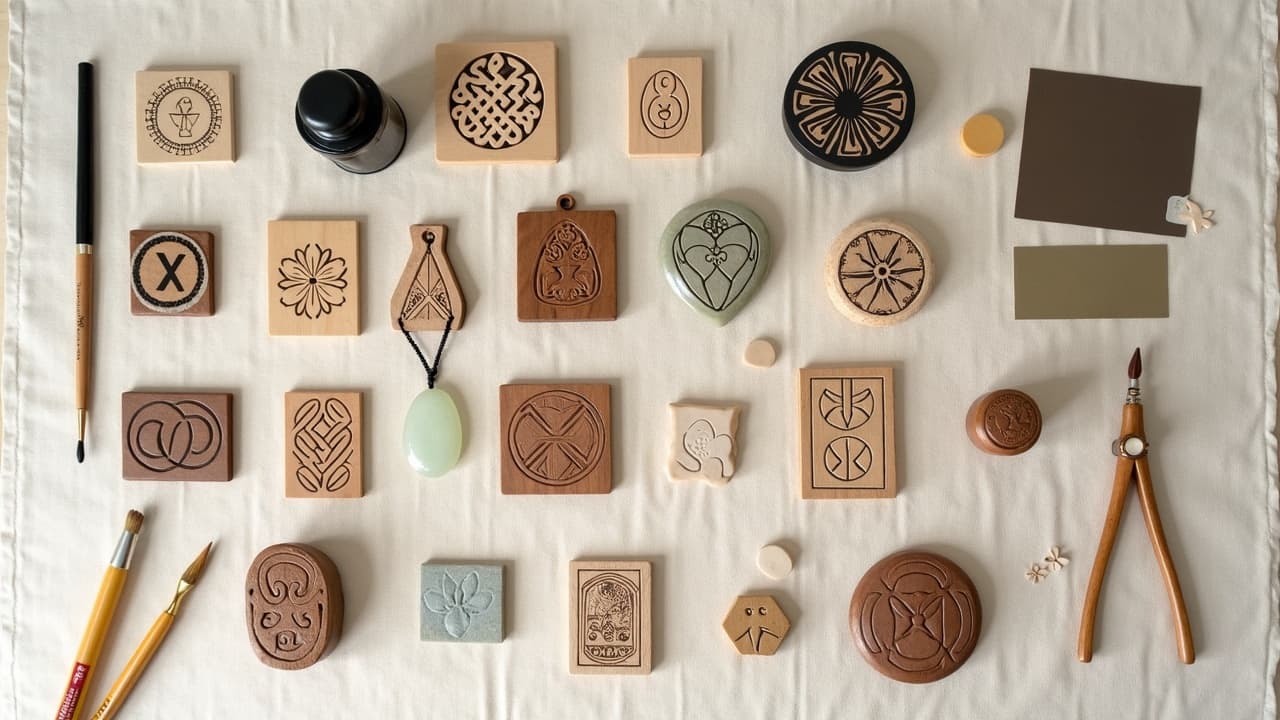
The same symbol can bless in one city and offend two streets over. Tattoos are global, but meanings are stubbornly local. In the United States, about 32% of adults have at least one tattoo, which means more symbols crossing borders than ever Pew Research Center. When a design travels, history comes with it. This guide maps how widely used symbols shift by culture, from dragons and lotus to skulls and mandalas, and how choices like color, placement, and line style change the message. You will also find practical steps to research ethically, check language accuracy, and budget for consultations, so your piece reads as appreciation, not appropriation.
How symbols travel, the variables that change meaning
Symbol meaning is a recipe, not a single ingredient. Tradition, era, and even neighborhood slang shape how a tattoo reads. Four variables drive most cross-cultural shifts:
- Context and lineage: A mandala tied to meditation in Buddhist and Hindu traditions carries prayerful intent, while a geometric rosette without that lineage reads as ornamental geometry.
- Placement norms: Hand and face placements can signal vows or status in many Indigenous and Polynesian traditions, yet act as fashion statements elsewhere. Respect local rules before choosing prominence.
- Technique matters: Tebori, tatau, and hand-poke methods are not just aesthetics, they are rituals. Machine-line mimicry may look close but can lose meaning if the technique is core to the tradition.
- Color codes: Red celebrates good fortune in East Asia, mourns in parts of South Africa, and triggers more allergic reactions in Western inks. Pigment choice changes both message and medical risk American Academy of Dermatology.
Dragons and serpents, protector, villain, healer
Few symbols swing as widely as the dragon and the snake. In East Asia, the long or ryū is a water and sky guardian, tied to rainfall, luck, and imperial power. In European art, dragons often embody chaos to be overcome. Across Mesoamerica, the feathered serpent, Quetzalcoatl or Kukulkan, links knowledge, wind, and creation. Snakes also carry dual roles as healers and tricksters in Africa and the Mediterranean. When you pick a reptile, you pick a myth.
- East Asia: Azure dragon with clouds and waves means auspicious control over elements, strength without cruelty. Placement on back or shoulder suggests stewardship.
- Europe: Wyverns and spined dragons, paired with knights or crosses, echo memento mori and victory-over-chaos narratives from medieval lore.
- Mesoamerica: Feathered serpent motifs, stepped forms, and maize iconography signal wisdom, rulership, and cyclic time. These are sacred emblems, not generic décor.
- Modern medicine: The rod of Asclepius snake symbolizes healing, a distinct symbol from the two-snake caduceus of commerce. Do not conflate them if you want medical meaning.
Lotus, chrysanthemum, and rose, flowers with lineage
Flowers are not interchangeable. The lotus rises clean from mud, a core metaphor in Indian and Buddhist thought for awakening. The chrysanthemum in Japan, especially with 16 petals, is imperial and autumnal. The rose in European and Latino traditions can mark love, secrecy, or martyrdom. Color shifts matter too, and so does bloom stage. A bud can mark potential, a fallen petal, impermanence.
- South Asia and Tibet: Blue or pink lotus over water, open bloom indicates enlightenment. Pairing with mantras implies devotional use, so vet intent with a practitioner.
- Japan: Kiku with crisp petals and water or wind bars reads seasonal strength and dignity. Avoid imperial crests unless you know the context and accept the weight.
- Europe and the Americas: Rose with thorns can be love endured or Christian sacrifice. A black rose leans into grief, punk lineage, or political dissent depending on script and era.
- Color caution: Certain reds and yellows carry higher rates of allergic reactions and granulomas in tattoos, often surfacing months later Cleveland Clinic and FDA on tattoo inks.
Birds that speak, swallow, crane, eagle, phoenix
Birds mark travel, vows, and rebirth across oceans. Sailor swallows chart miles logged and safe return. The crane in East Asia stands for longevity and filial piety. The eagle in North America represents sovereignty and vision, but as a sacred bird, many specific feather forms are not for general use. The phoenix burns and returns differently by culture, from Chinese fenghuang to Hellenistic myth.
- Nautical West: Two swallows on the chest sign long voyages completed. Add a compass or rope and you are speaking a tight dialect of maritime history.
- East Asia: Cranes with pine and sun imply long life and steadfastness. Pairing with a tortoise or bamboo compounds auspicious layers.
- United States and Canada: Eagle iconography intersects with protected Indigenous symbols. Speak with community advisors before using feather regalia outside your heritage.
- Rebirth symbols: Phoenix styles differ, Chinese fenghuang mixes phoenix-peacock virtues, while Greco-Roman phoenix focuses on cyclic flame and ash. Choose lineage intentionally.
Mandalas, knots, and geometry, sacred versus style
Sacred geometry is not a vibe, it is framework and practice. Mandala designs align with meditation and cosmology in Hindu and Buddhist settings. Celtic knots interlace lineage and land. Contemporary dotwork and hex grids can be purely aesthetic, but once you include mantras or temple diagrams, you are in religious territory. When in doubt, tone down sacred text and keep the geometry abstract.
Read our stance on respectful use, legalities, and consent in tattoo cultural reappropriation, defining the line, and broader studio conduct in tattoo ethics in an increasingly globalized world. Sets, symbols, and scripts deserve the same due diligence you would give a portrait of a living person.
Ocean and land totems, koi, turtle, bear, wolf
Totems are bonded to place. Koi fighting currents in Japan link perseverance and transformation, often paired with maple leaves or peonies. The honu turtle across Polynesia is longevity, navigation, and family, often placed where the wearer’s story warrants. Bear and wolf motifs in North American art bind to clan and region. Using any of these outside your lineage requires care, especially when patterns are owned by families or nations.
- Japan: Black or red koi angling upstream signal working through hardship, downstream can mark achievement. Add waterfalls and wind bars to deepen the narrative.
- Polynesia: Honu shell and spearhead patterns encode genealogy. Generic mashups flatten meaning, so commission a custom design from a practitioner of that tradition.
- North America: Wolf with moon is modern pop iconography, while formline bear and raven are culturally specific. Avoid lifting house crests or clan forms without permission.
Skulls, calaveras, and memento mori
Skulls broadcast different volumes. Western memento mori reminds us to live well within time. In Mexico, calaveras and Catrina imagery celebrate remembered ancestors during Día de Muertos, festive and tender rather than grim. In biker and punk lineages, skulls press raw independence or club allegiance. Teeth shape, floral fills, and hats or rosaries tip the reference quickly.
- Europe: Hourglass and skull reads moral reflection, often paired with Latin maxims. Black and gray realism turns the volume down, chiseled type turns it up.
- Mexico: Sugar skulls with marigolds honor the dead joyfully. Avoid copying family altars or names you do not hold. Build your own symbols of remembrance.
- Contemporary: Neo-traditional skull with dagger pushes drama, while geometric cranium moves toward design study. Choose which story you want to foreground, not everything at once.
Script, numbers, and translation risks
Script is the fastest way to miscommunicate across cultures. Fonts carry religion, politics, and era. A Sanskrit mantra or Arabic proverb is not décor, and calendar systems do not align neatly. If you do not read the language, treat it like a portrait of someone’s grandparents. Get it checked, twice.
- Hire a reader: Pay a native speaker or credentialed translator $50-120 to verify spelling, grammar, and cultural load. It is cheaper than a cover-up.
- Design choices: Keep diacritics, ligatures, and correct character order. Rotate or mirror scripts only if the tradition allows it, or you risk nonsense.
- Tool stack: Use DeepL, Papago, Pleco, and Google Noto Fonts to preview and cross-check forms (non-sponsored examples). Then send proofs to a human.
- Ink safety: Red and yellow pigments are more reactive in some people, and reactions can appear long after healing, so patch test and discuss colors with your artist American Academy of Dermatology and JAMA Dermatology.
Health, pigment, and regulation across borders
Cultural meaning is one axis, biology is another. Pigments and regulations vary by country. The FDA does not approve tattoo inks before sale in the United States, though it issues safety communications and recalls. European rules restrict some azo dyes and preservatives that remain legal elsewhere. Allergic reactions, infections, and granulomas are uncommon but real, often linked to colorants or aftercare errors. Read reputable health sources before you choose pigments.
- Regulatory reality: Inks are not pre-approved in the U.S., manufacturers are responsible for safety, and recalls can happen if contamination is found FDA, tattoos and permanent makeup.
- Medical literacy: Understand delayed reactions and photosensitivity, particularly with red and some yellow pigments. Long-latency events are documented by clinicians Cleveland Clinic.
- Aftercare basics: Gentle cleansers and breathable films help reduce complications. Always follow your artist’s protocol and watch for heat, pus, or rash, the early warning flags.
Working with your artist, ethics, budget, and timeline
A respectful cross-cultural tattoo is not improvised. Build time for research and conversation. Choose an artist who can cite sources, not just pinboards. Commission, do not copy. If a design belongs to a family, nation, or temple, ask for permission or walk away. Respect sometimes looks like restraint.
- Consult smart: Book a 60-90 minute consult and bring printed references with notes on intent. Expect $100-300 for deep design research time, more for translation review.
- Name the line: Agree on what is symbolic essence versus protected form. Your artist should suggest neutral alternatives when sacred elements are off-limits.
- Document sources: Keep a short bibliography and permissions emails. It helps you remember choices and signals respect to the community your symbol comes from.
- Timeline: Build 2-6 weeks between consult and stencil lock. Great iconography takes iterations. See our prompt contextualization guide to refine references before final art.
- Design harmony: Symbols live in shape and palette too. Learn how color and silhouette steer meaning in our color and shape guide.
Ready to test meaning, placement, and palette before you commit? Use AI for Tattoo to generate culturally-aware variations, then virtually place them with our try-on. Start with a safe draft in Create, preview on-skin in Try-On, and browse motifs in Explore. Keep the respect, keep the story.
Try AI for Tattoo Free