
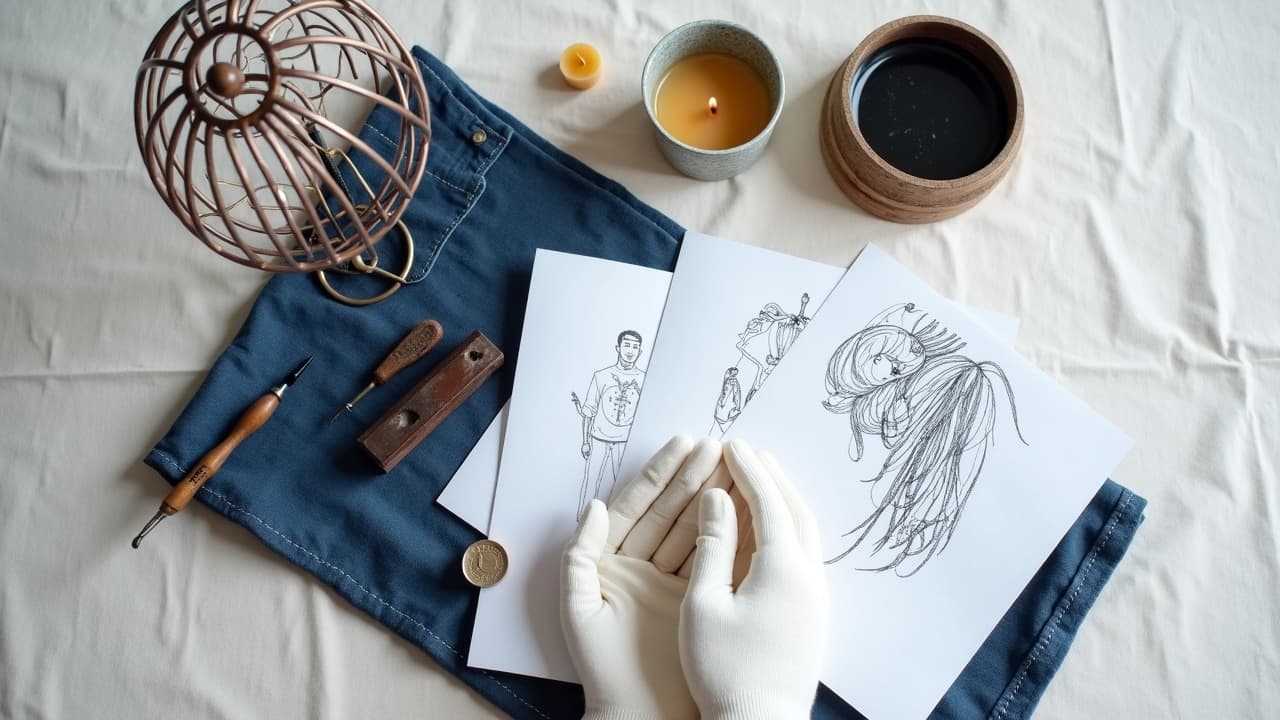
About 32% of U.S. adults now have at least one tattoo, and motifs travel faster than ever through social feeds and cheap flights. That growth is exciting, but it also raises a real ethical challenge, how to celebrate global tattoo languages without cultural appropriation. If you care about design integrity and the people behind the patterns, there is a responsible path forward. You do not need to abandon cross‑cultural inspiration. You need context, informed consent, and a plan that treats tradition as living knowledge, not just an image bank. Below is a working field guide from the chair side, built for clients, collectors, and artists who want their work to stand up to scrutiny five years from now.
Appropriation vs appreciation, a working definition
In tattooing, appropriation means using symbols, language, or techniques from a community you are not part of, in a way that strips them of meaning or benefits only you. Appreciation is engagement that preserves context, credits origin, and shares value with culture‑bearers. The dividing line is not aesthetic quality, it is power and permission. When a client brings me a sacred emblem to replicate with no story or source, I slow things down. Not every motif wants to be portable. Some markings are genealogical, tied to rites of passage, or regulated by protocol that says who may wear them and where. If you cannot answer who carries authority over the design and how they would feel about your use, you are not ready to ink it.
Authenticity means context, not just intent
Good intentions do not prevent harm. Authenticity in tattooing means your design still makes sense to the culture it references, and the people who steward that practice can recognize themselves with dignity in the end result. That usually requires consultation, attribution, and sometimes a decision to pivot away from a motif entirely. A quick rule I give clients, if a community has historically faced extraction of land, language, or labor, assume their visual language is not free to remix. Hire or speak with artists from that culture, ask about placement rules, and be open to alternatives that keep the heart of your idea without copying sacred forms.
Traditional tattoo practices, protocols you should know
Some traditions are open with guidance, others are closed or highly contextual. A few examples clients ask about often, each with specific protocol. - Tā moko (Māori): Facial moko carries genealogical meaning and is not appropriate for non‑Māori. Contemporary kirituhi can be created for non‑Māori by Māori artists, with consultation and appropriate placement. - Samoan tatau: Pe'a and malu are specific to Samoan identity and ceremony. Tourist versions are not acceptable. Samoan artists may create Samoan‑inspired designs for outsiders that avoid rank markers. - Sak yant (Thailand): Traditional blessings by ajarns or monks include prayers and rules. Getting a machine‑made copy without ceremony erases the practice. If you seek one, travel with respect and follow post‑tattoo precepts. - Irezumi (Japan): Historically associated with both craft guilds and the underworld, modern irezumi is an open art with deep iconography rules. Hire trained irezumi artists who understand flow, placement, and seasonal pairings. - Batok (Philippines), Kakiniit (Inuit), Berber markings, and more, many remain tied to community identity. Ask who carries authority and whether motifs are open to guests. For a primer on world traditions curated for learners, see our deep dive on ancient rituals and tattooing. It is a starting map, not a permission slip.
A research workflow before you ink
Good research protects you and the culture you admire. Aim for multiple sources, and capture notes you can share with your artist. Here is a practical workflow that keeps projects on the right side of history.
- Define the meaning you want first, three words max, then search traditions that express that idea without copying sacred insignia or rank markers.
- Read community and scholar sources, start with cultural organizations, museum publications, and artist statements, not just Pinterest boards or AI moodboards.
- Identify culture‑bearer artists, confirm if the motif is open, conditional, or closed, and ask about placement and gender or status restrictions.
- Budget for consultation, expect $50–$150 for research calls or design prep, sometimes credited toward the tattoo, sometimes separate.
- Document attribution, save artist names, books, and links you used, then include credits on socials and portfolios with clear tags and spellings.
- Prefer custom interpretation, ask for structural inspiration rather than 1:1 copying, for example, rhythm, flow, and negative space instead of lifting exact glyphs.
- Use tools that enforce context, see our prompt contextualization guide to shape AI references without reproducing restricted symbols.
Commissioning with respect, from budget to credits
Ethical commissioning is partly financial. Hire artists who carry the lineage or have verified mentorship. Expect professional rates, $150–$300 per hour in many cities, more for senior culture‑bearers. Deposits of $100–$500 are standard for multi‑session pieces, and respectful tipping sits around 15–25% when local norms apply. If you are flying to a teacher or inviting an artist to guest spot, cover travel and lodging, or pay a day rate that reflects lost shop income. When posting the healed piece, lead your caption with attribution, name the tradition, the artist, and if relevant the teacher or studio lineage. If a community asks you not to share ceremonial details publicly, keep those boundaries.
- Ask for a protocol briefing, specific do’s and don’ts about placement, color, and photography before and after the session.
- Schedule enough time, many traditional pieces are multi‑session and may require 2–6 sittings to respect pacing and healing windows.
- Bring a travel aftercare kit, think Saniderm, Bepanthen, Aquaphor, Hustle Butter, or Mad Rabbit (non-sponsored examples) to support safe healing on the road.
- Credit visibly and consistently, include artist name, tradition, and location on every post, website portfolio, and press mention.
Symbols and scripts to approach with caution
Some categories are high‑risk for harm or regrettable outcomes. When in doubt, pause and seek counsel from people who speak for the symbol, not just people who can draw it well.
- Script in languages you cannot read, including Arabic, Sanskrit, Kanji, and Hebrew, mistranslations and sacred misuse are common and offensive.
- Sacred diagrams, yantra, mandala with liturgical function, or clan glyphs that denote rank or family, these are rarely open to outsiders.
- Face and head markings, including tā moko or ceremony‑specific dots and lines, often indicate genealogy or vows and should not be generalized as style.
- Warrior, mourning, or status bands tied to rites of passage, wearing them without the rite can misrepresent your identity and the culture’s values.
- Religious verses or iconography from living traditions, if you are not a participant or do not observe practice rules, avoid using them as ornament.
Health, safety, and travel studios, no compromises
Ethics include hygiene. Do not trade cultural authenticity for a cut‑rate tourist studio. Verify that your artist uses single‑use needles, medical‑grade barriers, and reputable inks. The American Academy of Dermatology outlines signs of infection and allergic reaction, useful to review before you travel. The U.S. Food and Drug Administration regulates ink pigments and issues safety updates, so be wary of unlabelled or decanted inks. Allergic reactions to pigments, especially red ink, are well documented by clinicians at institutions like the Cleveland Clinic and consumer health outlets such as Healthline. Healing windows for most small to medium tattoos are about 2–3 weeks for surface closure, with complete settling over 6–8 weeks, assuming proper aftercare.
- Check licenses and bloodborne pathogens training, ask to see certificates before you book, especially when traveling across borders.
- Confirm sterilization workflow, autoclave logs, disposable tubes, and sealed needles should be standard in any shop you trust.
- Plan aftercare for flights, swelling can increase on planes, use film wraps for short travel and pack sterile saline for gentle cleaning.
- Know local regulations, some regions restrict hand‑poked or home setups, choose insured studios with clear infection‑control protocols.
Fair pricing, sourcing, and giving back
If a tradition shaped your piece, share value in return. That can look like paying a cultural consultation fee, donating 5–10% of the commission to a community organization the artist recommends, or purchasing art and books directly from culture‑bearers. Avoid haggling on traditional pieces. You are not buying a souvenir, you are stepping into a lineage of labor. If a design must be adapted to stay within budget, reduce coverage or detail density, not the artist’s rate. For studios that need help assessing artist caliber before commissioning, see our portfolio analysis guide.
- Allocate a give‑back line in your budget, set aside 5–10% for donations, cultural education funds, or community projects chosen by your artist.
- Source merch and books from the tradition, buy from artists’ own shops rather than large marketplaces to keep revenue in the community.
- License responsibly for commercial use, if your tattoo will appear in ads or packaging, negotiate image rights and community approval where relevant.
- Be teachable after the fact, if the community raises concerns, offer edits, cover‑ups, or public clarifications rather than becoming defensive.
Using digital and AI design tools responsibly
Digital tools are powerful and risky. They can synthesize styles without preserving credit or context. Use dataset‑conscious prompts, name open influences, and instruct tools to avoid restricted motifs. Keep a log of references and share them with your artist for review. If you love abstraction, steer toward structure‑level inspiration, rhythm, flow, and negative space, which can echo a tradition’s aesthetics without lifting protected symbols. For guidance on steering creative prompts toward originality, see our abstract prompting guide.
Ready to design with context and care? Use AI for Tattoo to generate custom ideas that respect protocol, cite your influences, and avoid restricted motifs. Build moodboards in Create, preview placement with Try‑On, and bring a culturally thoughtful concept to your consult.
Try AI for Tattoo Free