
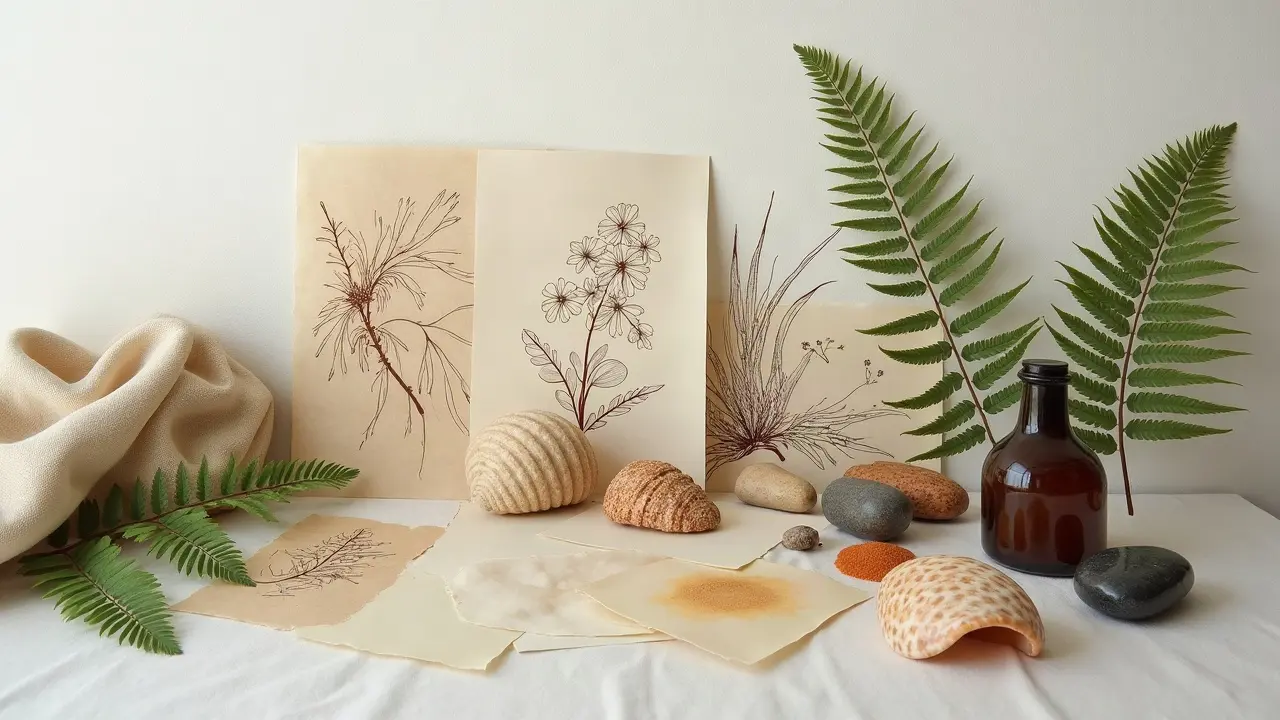
Curves in skin, like vines in wind, beat straight lines over time. Tattoos that echo natural arcs crease less, breathe more, and read cleaner years later. The secret to a cohesive nature piece is organic tattoo design that respects your body’s topography, not just a page layout. When plant, animal, and mineral forms are selected for tattoo elements integration, then arranged to ride muscle lines, the result is a harmonious tattoo composition that feels born on the skin, not stuck to it.
Start With How Your Skin Moves
Movement first, motif second. Think of your arm twist as a river bend, your ribs as a rising current. Placing leaf tips into the bend of the elbow and anchoring stems along forearm flexors lets the tattoo flex like foliage in wind. The idea mirrors what medical texts call skin tension pathways. Knowing how skin sits over underlying anatomy helps lines stay crisp when you reach, lift, or squat. For a refresher on skin layers and why elasticity varies by zone, see the Mayo Clinic’s overview of skin structure. Key body-mapping cues I use in consults: identify the long line of the limb, check pinch and twist ranges, then mark zones of high compression. Curves that align with these natural lines maintain cohesive design flow and reduce distortion when the body moves.
Choose Motifs That Naturally Coexist
A tattoo reads truest when its parts could meet in the wild. Pair species by habitat and season. If your main subject is a fox, cold birch groves make more sense than tropical monstera. If it is a koi, Japanese maple samaras and water ripples help the story feel inevitable. Building nature in tattoos around ecology trims visual noise and ties everything to one environment.
- Temperate forest set: red fox, bracken fern, birch twigs, oyster mushrooms, and river stones. One warm accent, like rust caps, keeps the palette grounded.
- Coastal set: heron, cordgrass, driftwood knots, sea lavender, and rippled sand. Use repeating S-curves to echo tidal flow along calves or forearms.
- Desert set: prickly pear pads, saguaro ribs, coyote or jackrabbit, and wind-carved rock. Sparse negative space mirrors arid openness across ribs.
- Alpine set: marmot or ibex, edelweiss, juniper, and scree. Angular shadows and stipple simulate high-altitude light on shoulder blades.
- Pond set: koi or newt, lily pads, reeds, damselflies, and water rings. Elliptical rings steer eye flow around knees or elbows where movement is circular.
Composition Frameworks Borrowed From Ecology
In the field, patterns self-organize. Bring those same structures to skin so the piece holds together at a glance and up close. Think in clusters, trails, and clearings. Reserve negative space to let the main subject breathe, then echo shapes at smaller scales to knit the whole. If you work abstract or semi-abstract, see our companion on unifying compositions for advanced layout tactics.
- Triad clustering: arrange three weight points, large subject plus two satellites, to stabilize sleeves or back pieces without stiff symmetry.
- Spiral flow: coil petals, shells, or fern fiddles around joints with circular motion, ideal at knees and elbows where arcs dominate movement.
- Edge ecology: use denser detail near anatomical edges, clavicle or jawline, and open texture toward the interior for readable silhouettes.
- Pathways: lead the eye with vine runners or water ripples from wrist to bicep, or ankle to hip, reinforcing the body’s long directional lines.
- Seasonal gradient: early buds low, mature blooms mid, seed pods high, creating time progression that also guides view upward across the body.
Linework, Texture, and Shading That Feel Alive
Texture sells reality. Fur reads with broken micro-lines, bark with cross-grain cuts, petals with soft value ramps. On skin with high movement or thicker dermis, I favor resilient lines and textures that mature well. Combine whip shading for airy gradients, stippling for stone and spores, and fine hatchwork for feathers. Keep line weights hierarchical, bold contours on the main subject, secondary weights for supporting flora, micro-lines for pollen, whiskers, or moss. Ink choices also affect texture. Dense blacks anchor silhouettes. Muted olives, slate blues, and oxbloods layer into earth palettes without shouting. For how light and shadow interact with ink under skin, bookmark our guide to color dynamics and lighting.
Color, Value, and Skin Tone Harmony
Nature palettes get their strength from restraint. A piece with two dominant hues and one accent will usually outlast a rainbow. On melanin-rich skin, push contrast with deeper values and larger highlight shapes so petals and fur maintain clarity from six feet away. On lighter skin, lower-saturation greens and browns keep it believable and reduce risk of odd casts as the tattoo ages. When in doubt, lock cohesion with consistent shadow color. If shadows share a cool slate, even varied species will feel like one system. Remember that UV breaks down colorants over time. The American Academy of Dermatology notes that sun exposure can dull tattoos and recommends high-SPF protection once healed, useful for long-term vibrancy. See the AAD’s sun safety resources for broad guidelines.
- Core duo: moss green plus charcoal, with a pale ochre accent. Works across most undertones without clashing with wardrobe.
- Warm earth set: terracotta and deep olive, with a bone-white highlight. Great for desert or Mediterranean motifs.
- Cool water set: slate blue and graphite, with copper for koi scales or cattail tips. High-contrast without neon.
- Black and grey: rely on texture and value, then add one restrained color, like muted crimson rosehips, for focus.
- Test swatches: ask for 1–2 cm color dabs near the intended placement and revisit after 4 weeks to evaluate settling.
Placement, Scale, and Flow Decisions That Matter
Scale controls mood. A palm-sized fern on a thigh reads delicate. The same fern shoulder-to-elbow becomes kinetic. Keep the largest subject crossing at least two anatomical landmarks so it owns the space, then nest secondary flora in the negative wake. Aim for a primary-to-secondary size ratio near 3:1 so the eye knows what to read first. For sleeves, I map a long S-curve from wrist to deltoid and place the hero subject where your arm rests most of the day, not just flexed in a mirror. Budget and sessioning are part of the plan. Expect $250–$400 per hour in most cities, with a 6–12 hour build for a complex half sleeve. Large back ecosystems may hit 20–35 hours spread over months. If you are pain sensitive, numbing gels like TKTX can help for long shading blocks, but always clear it with your artist first.
- Wrists and ankles: small loops of vine or wave rings read clean at smaller sizes, but keep line weights stout to resist blur.
- Ribs and flanks: perfect for tall motifs like reeds or birch, place stems along the breathing line so expanding ribs do not pinch petals.
- Shoulder cap: circular flowers or sunbursts seat naturally here, then trail leaves down bicep or collarbone to extend flow.
- Back panel: treat as a watershed, climb from lumbar to scapula with habitat changes to keep long pieces interesting.
- Knees and elbows: rotate circular elements around the joint center to avoid slicing key details through flex points.
Aging, Aftercare, and Longevity Outdoors
A nature tattoo lives outside. Plan for that. UV is the number one external factor in fading, so once healed, a broad-spectrum SPF 30+ on exposed days becomes part of your ritual. Health editors consistently flag sunlight and friction as culprits in dulling tattoos over years, see Healthline’s tattoo care hub for consumer-friendly refreshers. The American Academy of Dermatology also underscores using sunscreen on healed tattoos to preserve color and contrast, their site has succinct protection tips. Ink chemistry and your immune system matter too. The U.S. FDA tracks tattoo ink safety reports and reminds buyers that pigments are not FDA-approved for injection even if sold widely. Review the FDA’s tattoo and permanent makeup information if you want the regulatory angle. If you notice delayed redness, itching, or swelling months after a color addition, consult a clinician, allergic reactions do occur. Daily care habits keep details sharp longer. After sessions, I recommend a light occlusive for the first days, then breathable moisturization during the flaky phase. Products like Saniderm, Bepanthen, Aquaphor, Hustle Butter, and Mad Rabbit can be part of your kit, always follow your artist’s protocol and product labels (non-sponsored examples). Touch ups for high-traffic areas every 3–5 years are common, budget $100–$300 depending on scope.
Prototype The Symbiosis Before You Commit
The fastest way to judge cohesion is to see it on your body at scale. Print stencils, mark flow lines, and walk, sit, and lift your arm in real light. Then iterate. If you are exploring color families or motif density, AI tools can get you to a stronger starting point before a consult. Try structured prompts that specify habitat, season, and flow, not just species. For prompt structure and palette planning, see our color and theme cohesion playbook and our personalization techniques guide. When the big shapes and negative space work on photos of your body, your artist can focus on the hand-made magic that no model can fake. One last thought on realism versus stylization. You can push line and form far from literal if your harmonious tattoo composition is locked around shared flow and shadow language. That is the glue that makes disparate species feel like family.
Ready to test a living, breathing layout on your own body map? Use AI for Tattoo to generate habitat-matched concepts, then place them on your photos. Start with Create, tweak flow and palette, and preview placements with Try On until your cohesive design clicks.
Try AI for Tattoo Free