The first 48 to 72 hours decide most of a tattoo’s healing outcome, which often overlaps with flights, beaches, and jet lag. You can absolutely get a clean, beautiful tattoo abroad, but travel compresses decisions that locals spread over weeks. The fix is simple, build a travel plan that respects the healing window and verifies safety before you pack. Studios from Barcelona to Seoul deliver world-class work daily. What separates a souvenir tattoo from a regret is not luck, it is prebooking, documented hygiene, and realistic expectations about sun, swimming, and flights. Use this guide like a checklist so your international tattoo feels like part of the trip, not a complication.
Pick the right city and timing for your skin, not just your photos
Some destinations are famous for specific styles, Tokyo for crisp black and grey, Berlin for experimental fine line, Seoul for micro color. Book the location for the artist you want, then position the appointment away from water-heavy or high-sun days. A fresh tattoo hates soaking and UV. Plan tattoo day near the end of the trip if you have beach days up front, or near the start if your final days are museum and food. Time zones and flights matter. Long-haul flights dry skin and can irritate wraps. Give yourself 24 hours after a late session before a red-eye, and avoid same-day ocean or pool. Build your itinerary around no swimming for 2 to 4 weeks, and limited direct sun for at least 14 days on fresh ink, per common wound-care guidance reflected by sources like the Cleveland Clinic’s advice on wound care and swimming.
Vet artists and studios from afar with verifiable signals
Your safest filter is consistent healed work. Look for close-ups of healed photos, not just day-one shine. Prioritize studios that post sterilization standards and list artist names, not walk-in kiosks with stock flash alone. Cross-check Instagram with a studio website and recent Google Maps reviews that mention cleanliness and aftercare instructions. When you cannot visit in person, rely on overlapping proof. Ask for licensing details, a written quote, and deposit terms. Keep written confirmation in your travel folder so any last-minute staff switch is documented. For preparation questions, skim how to organize a studio visit and bring that mindset to email or DM.
- Check for single-use needle mentions, barrier film on machines, and an autoclave with recent spore test logs. Studios that volunteer this info tend to get other details right.
- Favor portfolios showing healed lines and color saturation in your skin tone range. If you have deeper melanin, see our skin tone guidelines.
- Ask for an estimate in local currency and a note on hourly rate or day rate. Clarify whether design time is billed separately.
- Request a 24 to 48 hour reschedule window and confirm deposit transfer options if your flight changes unexpectedly.
Know the local laws so you do not put artists at risk
Tattoo regulations vary widely. In parts of Japan, tattooing has complex legal history and zoning, and some public baths still restrict visible tattoos. The EU applies chemical safety rules to pigments under evolving REACH guidelines, which can influence available colors. In some regions, only medical professionals can legally tattoo, or under-18 clients are prohibited even with parental consent. Respect rules. Ask the studio what ID they require and whether there are curfews or local holidays affecting operating hours. If a studio declines certain placements due to cultural norms, accept it. For general safety best practices across countries, review the American Academy of Dermatology guidance before you go.
Booking, deposits, and paying in another currency
Expect deposits in the $100 to $250 range for small to medium pieces, and more for day sessions. International transfers may use bank links, credit card forms, or apps common in that country. Ask whether deposits are nonrefundable or transferable if borders close or flights shift. Agree on a price structure. Some cities quote per piece, others per hour. Clarify if numbing cream time is billable, and whether cash is preferred. Bring a backup card that skips foreign transaction fees. For timing, confirm design approval is done the day before so your chair time goes to tattooing, not last-minute edits.
Health, hygiene, and what to verify before you sit
Safety is universal. You want new needles opened in front of you, clip cords and bottles wrapped, and gloved hands that change after touching non-sterile surfaces. If you do not see a sharps container or disinfectant, walk away politely. Consent forms should ask about allergies and meds, and studios should provide aftercare in writing. Government and medical sources emphasize infection and allergy risks from poor practice, so confirm the basics. See the FDA resources on tattoo inks and the CDC Travelers’ Health portal for injection safety context. Consider vaccination status. Hepatitis B vaccination is recommended for many travelers, and clean technique reduces but does not eliminate risk. If you have a history of keloids or contact allergies to adhesives or metals, discuss alternatives like hypoallergenic tapes and ointments that avoid fragrance. For broad aftercare principles, the Cleveland Clinic’s skin health content and AAD advice are good anchors.
Plan the itinerary around healing, flights, sun, and water
Fresh tattoos act like open wounds for several days. Prioritize clean lodging, mild soap, and breathable travel clothes that will not rub. Avoid heavy exercise, ocean, pools, and hot tubs for 2 to 4 weeks. For flights, keep the wrap breathable and avoid leaning your tattoo against questionable surfaces. Cabin air is dry, so hydrate and moisturize lightly with products your skin tolerates.
- If you must fly the same day, ask the artist for a second-skin bandage like Saniderm and instructions for the first 24 hours.
- Block sun with UPF clothing and SPF 30+ on healed skin nearby. Do not sunscreen the raw tattoo until it closes, usually 10 to 14 days.
- Schedule beach time before the appointment, then book city or food days after the tattoo so you can keep it clean and dry.
- Build a contingency day for surprise swelling on ankles or feet, which can be 6 to 8/10 on the pain scale during long walks.
Design communication, translation, and proofing across languages
Match references to the artist’s lane and keep edits concrete. Use bilingual notes or translation apps, but backstop with drawn arrows, measurements in cm/in, and placement photos of your body. Confirm spelling for scripts with a native speaker. Preview scale on your skin before you travel with our try-on tool and lock a final size range so quotes are accurate. If you are commissioning AI-assisted mockups, share crisp references and constraints like line weight, needle groupings, and negative space. Our guide to AI prompt annotation shows how to make direction that artists actually use. Bring printouts or offline files so poor hotel Wi-Fi does not derail the consult.
Aftercare on the road: what to pack and how to clear security
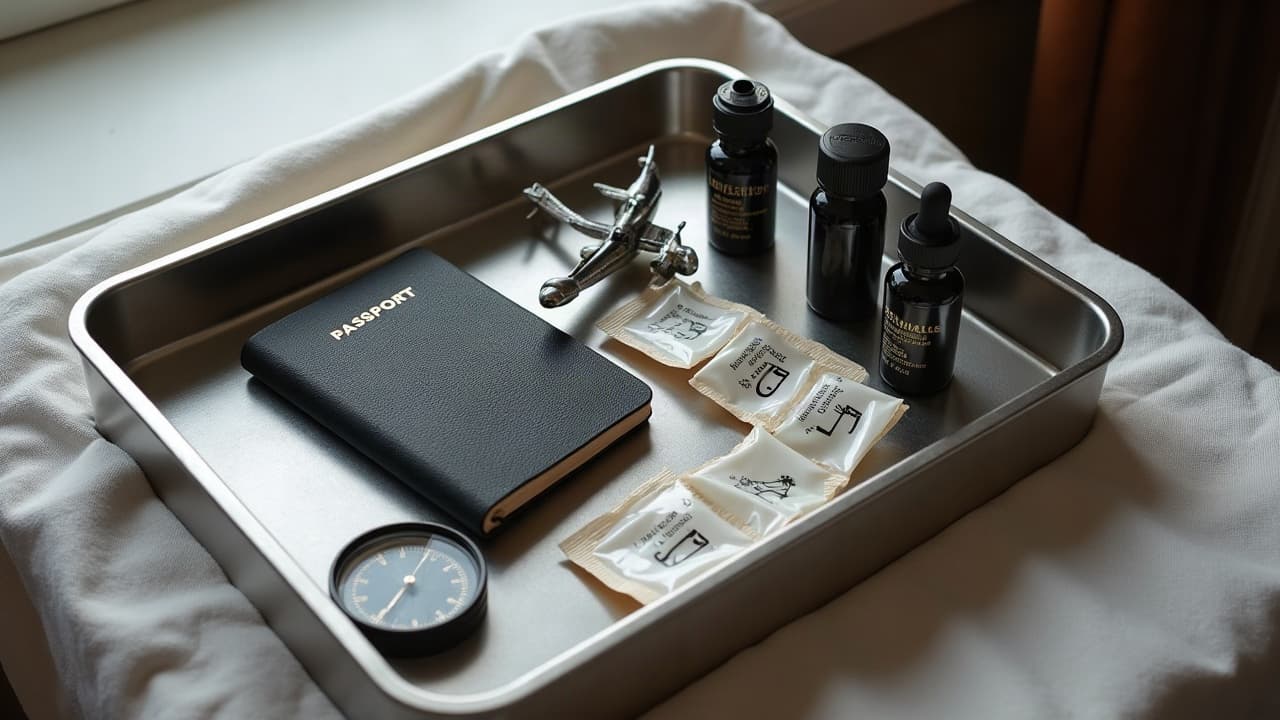
Travel aftercare is about predictability. Do not experiment abroad. Pack products your skin already tolerates and keep liquids under 100 ml for carry-on. If you plan to use a second-skin film, verify you are not sensitive to adhesives at home first. For busy itineraries, see our time-saving tips in advanced aftercare habits and support healing with good food choices from aftercare foods that support skin health.
- Mild, fragrance-free liquid soap decanted to 100 ml, plus clean paper towels or a soft microfiber.
- Ointment or lotion you tolerate, e.g., Bepanthen, Aquaphor, Hustle Butter, Mad Rabbit, plus petroleum-free backup (non-sponsored examples).
- A few sheets of Saniderm/Tegaderm, medical tape, and spare non-stick pads in case the dressing lifts mid-flight.
- Loose, breathable cotton or linen layers to prevent rubbing, and a clean pillowcase if you are hopping between hostels.
- Optional numbing cream like TKTX only if legal where you are going, test at home and confirm studio policy first (non-sponsored examples).
Etiquette, tipping, and cultural respect
Etiquette travels well. Arrive clean, sober, and on time with reference images organized. Ask before filming or photographing. Tipping standards vary, but 10 to 20 percent is common in North America, selected European cities, and many tourist hubs. In countries where tipping is not standard, a small gift from home or a thoughtful review is appreciated. Respect local norms on visible tattoos in religious sites and baths. Carry a light layer to cover if needed. When in doubt, let the studio guide you. They know the customs and how to keep you out of awkward moments.
Follow-up, touch-ups, and what to do if something goes wrong
Ask your artist how they handle touch-ups for travelers. Many will advise a local pro at home for minor fixes and may honor the initial agreement with photo proof. Keep high-resolution pics in good light so they can assess healing from afar. If you suspect infection, increasing redness, heat, or pus, get medical advice quickly. Basic wound infection signs are consistent across borders. Reliable starters include Mayo Clinic’s general care resources and local urgent care, but seek a clinician, not just online tips. For allergic reactions or pigment questions, consult a dermatologist. The AAD site lists board-certified dermatologists. Document products you used and keep the studio’s aftercare sheet for your doctor.
Test your idea before you book the flight. Use AI for Tattoo to generate a design you love in minutes, then try it on your body with realistic scale and placement using our try-on tool. Save references and size notes so your artist abroad can focus on great work, not guesswork.
Try AI for Tattoo Free