
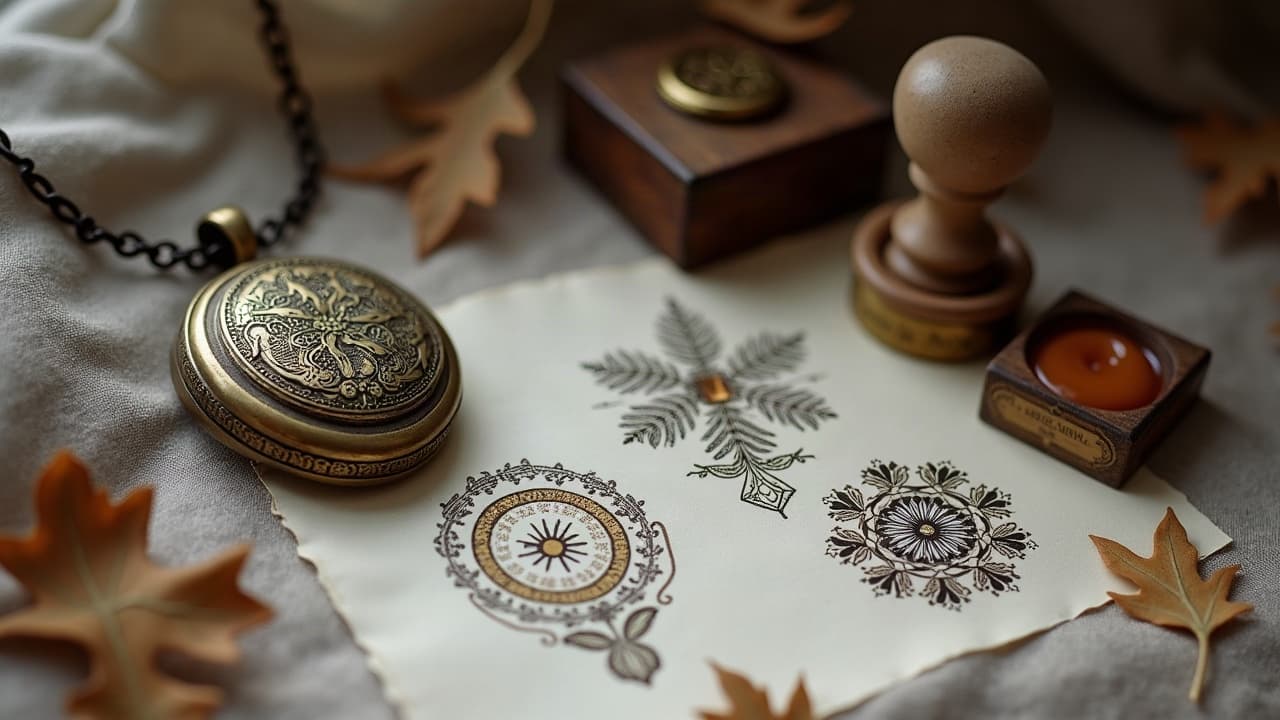
Ancestry tattoos are surging, a quiet shift from flash trends to family narratives. In 2023, Pew reported that 32% of U.S. adults have at least one tattoo, with identity and meaning ranking high among motivations. Heritage pieces last decades, so the work is not only art, it is documentation that follows you every day.
Why Ancestry Tattoos Matter Right Now
When clients ask for heritage work, they are usually seeking connection, not decoration. Tattoos can bridge migration gaps, language loss, or fractured archives. If your grandparents left little in writing, a carefully researched motif, family crest, or script in a reclaimed alphabet can function like a portable archive. Unlike a pendant you might forget to wear, skin holds the story through birthdays, jobs, and relocations.
The permanence demands strategy. Heritage tattoos lean on verifiable sources, cultural guidance, and materials that age well on your skin tone. This is also where health awareness matters. Reactions to pigments, especially some red inks, can occur, so planning is part aesthetic, part safety. The American Academy of Dermatology notes that allergic reactions are uncommon but real, and long term care affects how legibly your narrative heals.
From Motif To Meaning: Decoding Cultural Symbols
A symbol without its story is just a shape. Before inking anything that references a culture, trace the origin, usage, and context. Not every beautiful mark is meant for everyone. Some designs are ceremonial or rank-specific, others are open motifs that migrated through trade and diaspora. If a symbol is sacred or restricted, respect the boundary and adjust the concept rather than force a fit.
- Polynesian and Samoan motifs: Many tatau elements are lineage maps and rank indicators. Work with an artist trained in that tradition. Some patterns are reserved, not generic decoration.
- Celtic knotwork and Ogham: Family names in Ogham script can be accurate and elegant, but transcribe carefully using scholarly sources to avoid spelling errors that age badly.
- West African Adinkra: Symbols like Sankofa speak to returning to one’s roots. Verify meaning and visual variants, since a stroke change can shift interpretation.
- East Asian characters: Use native speakers or academic sources for kanji or hanzi. Avoid machine translations. A single radical difference can create a different word entirely.
- Indigenous North American iconography: Many clan designs are protected. Seek guidance and consider honoring themes, not copying restricted crests or regalia. Commission from artists of that Nation when possible.
- Heraldry and crests: Coats of arms are regulated in some countries. Use documented family arms, or design a new mark that borrows the visual language without false claims.
If your ancestry is mixed, that is not a design flaw. It is a design brief. Consider a modular composition where each cultural voice has space, tied together by a unifying style like blackwork, dotwork, or fine line. Balance avoids the collage look and reads as a single statement.
Appreciation, Not Appropriation: Practical Guardrails
Most clients want to honor, not exploit. Here is the working test I use in the studio. Ask who has the authority to use the symbol, what the intended setting is, and whether your use would cause harm or misrepresentation. If any answer feels shaky, pause and research further. The safest path is collaboration with knowledge keepers or artists from that culture, then pivoting to inspired rather than appropriated elements.
- Document the source: Save museum catalog pages or academic references for the exact symbol, script, or textile motif. Screenshots of primary sources help your artist refine details.
- Seek permissions where needed: Some communities maintain protocols. A respectful email can prevent a decades-long mistake.
- Consider theme over replica: Translate a concept, like migration, into waves, maps, constellations, or dates in family handwriting, instead of lifting a sacred emblem.
- Budget for consultation: Paying culture bearers or translators is part of the cost, not an add-on. Expect $50–$200 for expert review that prevents regret.
- Credit the lineages: In your caption or personal notes, acknowledge the communities behind the forms. Visibility is part of appreciation.
For legal and safety realities, remember that tattoo inks are subject to evolving oversight. The U.S. FDA warns that pigments and diluents vary widely, and labeling can be inconsistent. Combine respectful design with informed product choices in the shop.
Designing Your Lineage Piece: Style, Placement, Scale
Style controls readability. Blackwork holds meaning crisply for decades, especially for symbol-driven heritage tattoos. Fine line can look surgical and modern, but go bolder if you want 30-year legibility on active areas like forearms. Hand-poked pieces can feel intimate and historically grounded if done by an experienced practitioner who understands sterile technique.
Placement tells mood. A sternum or spine reads personal and protected, a forearm or calf reads public and declarative. If you blend cultures, a sleeve allows chapters, while a chest panel works for a single anchor emblem. For design planning, skim our style-mixing notes and review negative space so additions later do not crowd your narrative.
- Small to medium symbols: 1.5–4 inches, strong line weights. Cost typically $150–$600 depending on city and artist.
- Script and dates: Use family handwriting from letters or recipe cards. Photograph cleanly, then vectorize for crisp stencils.
- Cartography: Coordinates, migration arrows, or old map hatching. Works best in black and gray to avoid noise.
- Textiles as borders: Kente, tartan, or ikat patterns as framing. Keep lines thicker than 0.3–0.4 mm for longevity.
Color, Skin Tone, and Longevity
Color is not neutral, it is physics on melanin. Saturated black and deep blues hold longest across most skin tones. Some pastels can fade faster or appear muted on deeper complexions. The Cleveland Clinic and the AAD both note that scarring risks and keloid tendencies vary by individual, so plan ink load and aftercare accordingly. For technique specifics across tones, read our skin tone guidelines.
Heritage pieces should look good at 1 foot and 10 feet. Ask your artist to present a squint test preview, then a healed mock in grayscale. On average, tattoos settle over 2–4 weeks, then continue remodelling for months. Sunscreen and gentle moisturizers slow the drift so your great grandkids can still read the story.
Sourcing References Ethically: Archives, Homes, and Memory
Your best reference might already be at home. Family Bibles, quilts, military papers, marriage certificates, or kitchen textiles can hide motifs with provenance. Scan at 600 dpi, photograph in diffuse light, and label files with dates and names. Cross check with museum catalogs or academic dictionaries to confirm meanings, especially for scripts or ceremonial marks. The Smithsonian hosts open collections that can guide accurate reconstruction of patterns without guesswork.
- Ask elders for stories before symbols. A narrative like “we crossed in winter” becomes snow lines or star fields, not just a ferry icon.
- Community archives and libraries offer digital manuscripts, map rooms, and textile records. Staff often help with translation leads.
- Peer review your draft with a culture expert, then revise the motif to remove restricted elements while preserving the theme.
- Document variant spellings or dialect forms if you are engraving names. Accuracy will matter in 50 years.
Choosing and Briefing the Right Artist
Portfolio first, personality second. Look for artists who have executed symbol-heavy pieces, not only photo realism. Research through community referrals and long captions explaining process. A good heritage artist cites sources, credits culture bearers, and is comfortable saying no to restricted marks. Share a written brief with images, family dates, and how you plan to talk about the piece when strangers ask.
- Send a one page brief: who you are, the lineages represented, three verified references, and your must-keep elements.
- Ask process questions: stencil scale tests, line weight strategy, and aging plans. You want to see 5-year healed photos, not only fresh ink.
- Book a redraw round: Budget $50–$150 for revisions that keep the story intact but fix composition.
- Check shop practices: sterile setup, fresh needles, and reputable inks. The FDA emphasizes variability in tattoo pigment content, so professional sourcing matters.
Ritual, Session Day, and Aftercare That Honors the Story
Ritual does not have to be ceremonial, simply intentional. Some clients bring a family letter, play a song connected to place, or wear a color tied to their culture on session day. If you are adding a name or date, verify spelling twice on paper before stencil. During the appointment, request a 10-minute stretch break every hour to avoid sloppy posture that distorts lines.
Healed quality is half the artwork. Use a breathable bandage like Saniderm or Derm Shield for the first 24–72 hours, then wash gently and moisturize with Aquaphor, Hustle Butter, or Bepanthen (non-sponsored examples). Avoid sun for 2–3 weeks and pool water until fully closed. According to the Mayo Clinic, proper aftercare helps reduce infection risk and supports better scarring outcomes, which directly affects how legible fine symbols remain.
Budget and Timeline: Planning Across Sessions
Heritage projects often take longer because of research and redraws. Expect a consult, a design round, and 1–3 sessions for application depending on coverage. A small, single symbol might be $200–$400 in a mid-tier city, while a balanced quarter sleeve with multiple cultures can range $1,000–$2,500. Add translation or expert review fees as part of the project, not a surprise.
- Healing window: initial closure 7–14 days, full settle 4–8 weeks depending on placement and size.
- Touch-ups: book a 6–12 week check for fine line reinforcement if needed, often $0–$150 depending on shop policy.
- Sun strategy: commit to SPF 30+ on exposed pieces. Fading erases nuance first, then structure.
- Future-proofing: leave 5–10 mm of negative space between cultural elements to allow additions without crowding.
If you like testing designs before commitment, generate a rough with wording, dates, and motifs, then preview on your body. Our team built resources to help you refine briefs and scale tests. For workflow help, see our prompt testing guide and scan our piece on resilience for narrative planning, tattoo culture of resilience.
Ready to see your ancestry tattoo in place before you book the session? Use AI for Tattoo to sketch symbols, test line weights, and preview scale on your body. Start by generating a concept in Create, then try it live on your arm, chest, or calf with Try On. You can also browse motifs and styles in Explore to refine the research brief you share with your artist.
Try AI for Tattoo Free