
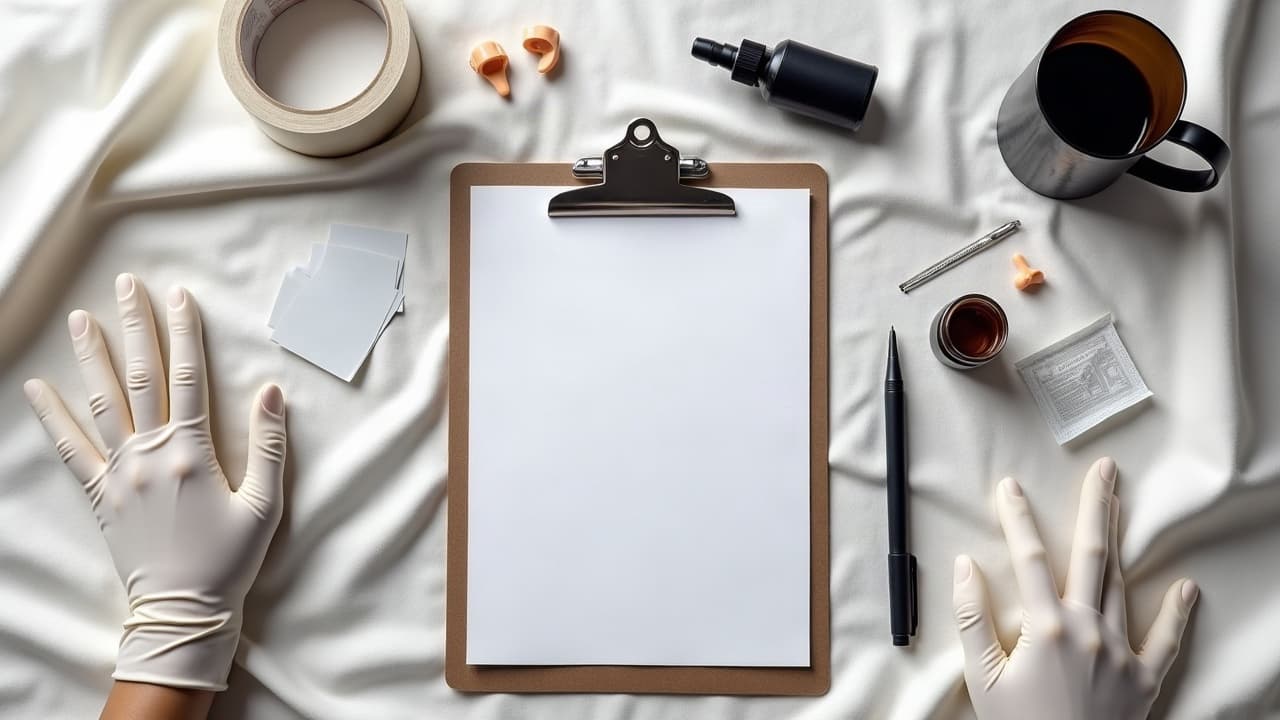
Most artists can accommodate special needs, especially when you arrive prepared. Allergic reactions to modern pigments are uncommon overall, yet red inks account for a majority of reported cases according to Cleveland Clinic on tattoo allergies. The fix is rarely to avoid tattooing entirely. It is to plan, test, and request targeted changes so the session stays safe and comfortable.
This guide gives you a tattoo consultation checklist geared to skin sensitivities, allergies, chronic conditions, and sensory needs. You will see what to bring, what to ask, and which modifications are realistic, from hypoallergenic adhesives to latex-free setups and shorter sessions. Where clinical info matters, we reference the American Academy of Dermatology and the FDA on tattoo inks safety.
Start with a health snapshot: conditions, meds, and triggers
Before you even message a studio, write a one-page summary. List your diagnosed conditions, current medications, known allergens, and prior skin reactions. If you have a letter from your clinician clearing you for tattooing, bring it, especially if you are on blood thinners, have diabetes, or are immunosuppressed. A concise snapshot helps your artist tailor ink choices, session length, and aftercare.
If adhesives or topicals bother you, include exact product names that triggered you and those you tolerate. If you are sensitive to scent, ask for a fragrance-free day. Sensory accommodations, like dimmer lights or softer music, are routine at many studios when requested in advance.
- Flag conditions that affect healing, like Type 1 or Type 2 diabetes, eczema, psoriasis, keloid tendency, or Ehlers-Danlos. Be specific about flare patterns and past wound issues.
- List meds and supplements that alter bleeding or healing, such as warfarin, aspirin, isotretinoin, or high-dose fish oil. Include last dose timing if relevant.
- Note product allergies, for example latex, nickel, lanolin, adhesives, lidocaine, or PPD. Add the reaction type, like hives, blistering, or delayed itch.
- Identify sensory needs, for example low-noise, no strong scents, dim lighting, or frequent breaks every 20–30 minutes to reduce fatigue.
Build a consult packet artists can act on
Make your information portable. Bring your one-page summary, photos of prior reactions, and a short wish list of acceptable products. If you already know you do well with Saniderm, Derm Shield, Hypafix, Aquaphor, Bepanthen, or Hustle Butter Deluxe, say so upfront. Familiar brands with clear tolerances save time. Include your preferred aftercare approach, for example dry heal, breathable film, or light ointment.
If managing chronic pain or fatigue is part of your plan, preview recovery strategies now. Many readers find our guide on tattoo aftercare for chronic pain syndromes useful. For design clarity, add a one-paragraph brief describing placement, scale, and any must-avoid motifs, and see our prompt annotation tips for clean, scannable notes.
Questions to ask that set clear boundaries
Good questions prevent friction. Ask about ingredient transparency, patch testing, and the exact sterilization routine. Discuss session length, positioning, and break frequency before the day of the tattoo. Most studios are happy to structure a 90–120 minute first session with added check-ins for sensitive clients.
- Which ink lines do you stock, and can I see SDS sheets for the pigments we might use, especially reds and whites?
- Do you offer latex-free gloves and hypoallergenic adhesive bandages, and can we avoid fragrance-heavy cleaners in my room?
- Can we patch test a small dot of the planned ink and numbing cream at least 48 hours before the appointment?
- How are breaks handled, and can we plan a 5-minute stretch every 30 minutes to manage sensory overload or pain?
- Will special prep add cost, for example $25–$100 for extra setup time or film? I prefer to approve that in advance.
Studio modifications most artists can provide
Common, practical changes include latex-free nitrile gloves, single-use needle cartridges, and sterile water in rinse cups if you are sensitive to green soap or chlorhexidine. Many artists can switch to vegan inks, use barrier film on all contact surfaces, and set up a fragrance-free room on request. If adhesives cause problems, the artist can hand-wrap with gauze and Hypafix or suggest early dry heal.
Technique matters too. For delicate or easily bruised skin, we may use larger magnum needles at lower voltage to spread impact, adjust machine stroke to run softer, and limit passes to reduce trauma. Session pacing can be tailored, for example 2-hour blocks over several days rather than one long push. These are standard, not special favors.
- Swap to vegan, heavy-metal tested inks when requested, and avoid problematic reds if past reactions suggest risk.
- Use sterile saline or distilled water for rinsing if green soap irritates, and switch to mild, fragrance-free cleansers.
- Choose Hypafix or Tegaderm-style films labeled hypoallergenic, or skip films entirely and dry heal if adhesives fail.
- Positioning adjustments, like reclining, side-lying, or belly support pillows, help reduce 8–10/10 pain spikes and fatigue.
Allergy-safe inks, adhesives, and numbing choices
If you have had dye reactions, we start conservative. Many studios carry lines like Eternal, Dynamic, Fusion, and Intenze. Ask to review SDS and pigment notes for planned colors, especially reds, oranges, and some whites that more often trigger issues. Request a 48–72 hour patch with a small dot of each candidate pigment on non-visible skin.
For adhesives and topicals, specify exact brands. Saniderm, Derm Shield, SecondSkin, Hypafix, and Opsite all feel different on the skin. For numbing, topical lidocaine gels or creams help, but confirm ingredients if you are sensitive to prilocaine or benzyl alcohol. Always patch test. Health resources like Mayo Clinic and Healthline discuss common topical anesthetic reactions.
Plan for pain, fatigue, and sensory needs by body area
Pain varies by placement. For most, outer forearm is 3–4/10, calf 4–5/10, and ribs or ankles 7–9/10. If you are neurodivergent or living with chronic pain, predictably quiet environments and timed breaks keep the session workable. Book earlier in the day when your energy is highest, and avoid back-to-back commitments so you can recover.
Consider the healing window too. Thin-skin spots scab more and itch harder. If your job or care routine complicates aftercare, prioritize areas that are easier to cover and clean. For pacing ideas and gentle recovery tools, see our advanced aftercare tips for busy lifestyles.
Hygiene and cross contamination: what to verify
Your consult should include a walk-through of hygiene. Look for single-use needles in sterile packaging, a sharps container, barriered machines and power supplies, fresh clip-cord sleeves, and EPA-registered surface disinfectants with stated contact times. The artist should wash hands, don fresh gloves, and avoid touching non-barriered items mid-process. These are baseline standards.
Ask about training and record-keeping. Many studios follow the CDC standard precautions model, which you can read about at the CDC. For ink safety context, the FDA’s tattoo inks page explains pigment variability and the importance of reputable suppliers. If anything feels improvised, reschedule, not negotiate.
Scripts that make requests easy and respectful
If you tense up asking for modifications, pre-write your phrases. Keep them short and direct. Most artists are relieved when expectations are specific and reasonable, like requesting latex-free gear, hypoallergenic films, or fragrance-free cleaning in your room.
- “I have a latex allergy. Can we confirm nitrile gloves and latex-free elastic wraps before I book?”
- “I react to adhesives. I tolerate Hypafix better than Saniderm. If film is needed, can we use Hypafix or plan a dry heal?”
- “I need 5-minute breaks every 30 minutes. Can you build that into the schedule so we both stay on pace?”
- “Red inks have caused itching before. Let’s patch test planned reds 72 hours ahead, or swap to safer tones if needed.”
Aftercare tweaks for sensitive skin and chronic conditions
Healing is where many sensitivities show up. If adhesives irritate you, skip films and dry heal, or limit film to 24 hours then switch to a light layer of Bepanthen, Aquaphor, or Mad Rabbit Soothing Gel. Keep showers lukewarm and pat dry. The AAD has solid baseline aftercare suggestions at the American Academy of Dermatology.
If you manage chronic pain or fatigue, combine shorter showers, clothing that does not rub, and a 2–3 week activity ramp. For nutrition that supports recovery, see our guide to foods that support skin health. If redness spreads or fever appears, seek medical care promptly, as the Cleveland Clinic advises for suspected infections.
Plan your design around your needs first, not last. Use AI for Tattoo to test scale and placement without sensory overload. Generate a design in minutes on Create, then preview it on your body with Try On. Share those visuals at your consult so your artist can focus on the right modifications, from color swaps to session pacing.
Try AI for Tattoo Free